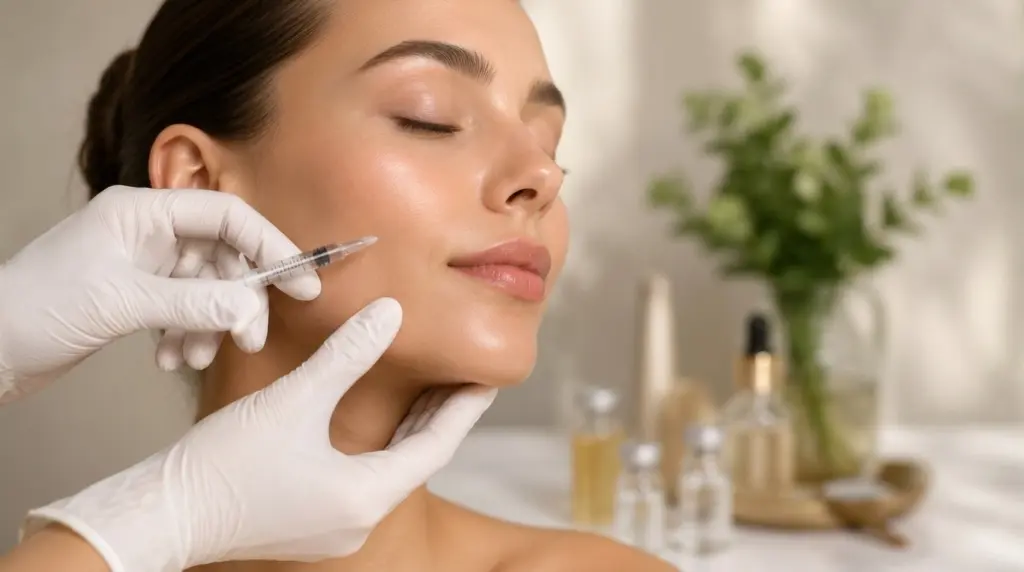
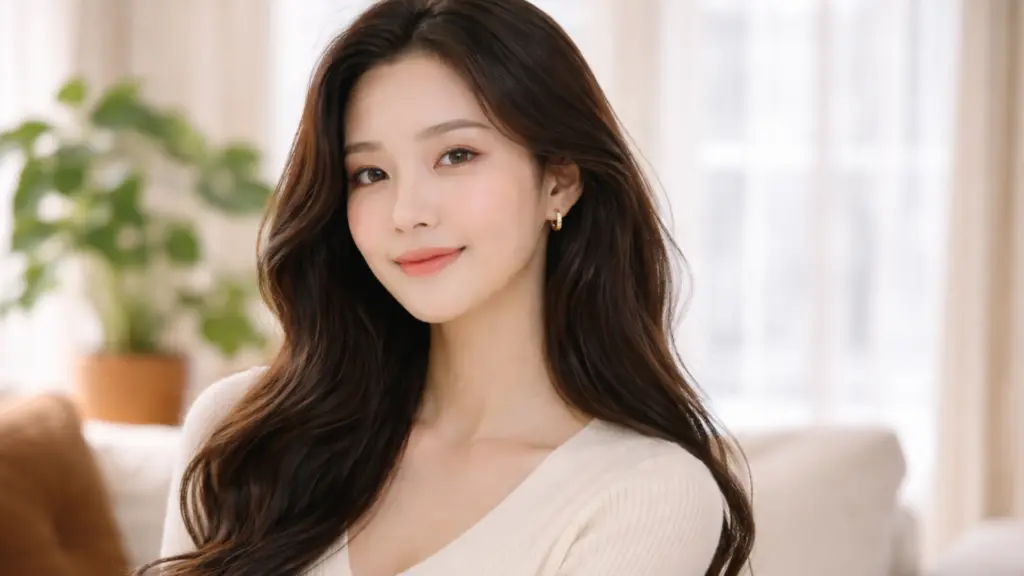
You have probably seen the hype around Korean beauty trends everywhere. From skincare videos to K-pop idols, the influence is hard to miss. But what do they actually include, and where did they come from?
At the center of it all are Korean beauty standards, which emphasize clear skin, a small face, soft features, and a balanced body.
These ideas are not random. They come from culture, media, and years of changing trends. In this blog, you will get a clear look at what these beauty ideals.
It covers skincare habits, facial features, makeup styles, and body expectations. You will also see how K-pop and dramas push these trends worldwide.
Along with that, the blog examines how these standards are changing and the pressure they can create for people today.
What Are Korean Beauty Standards?
Korean beauty standards are widely recognized ideals of what is considered attractive in South Korea. They draw from centuries of history and culture but are now heavily shaped by media, entertainment, and the global K-beauty industry.
These ideals trace back to the Joseon Dynasty (1392–1897), when Confucian values around modesty and purity defined beauty.
Fair skin signaled social status, a sign that you did not work outdoors. Smooth skin, long dark hair, and a soft face shape were celebrated in art, including Sin Yun-bok’s paintings.
Over time, these values absorbed Western media influence and were eventually reshaped by K-pop and K-drama culture. Today, they are among the most codified beauty standards in the world.
South Korea now ranks first globally in per-capita cosmetic surgery frequency, a figure that reflects just how seriously these ideals are taken at a societal level.
Appearance also carries real professional weight in Korea. Job applications commonly include photos, and grooming can directly influence hiring decisions.
Korean Beauty Standards by Feature: Skin, Face, Eyes, and More
Korean beauty ideals are unusually specific; each feature has its own defined standard. Here is how they break down, from skin quality to hair care.
The Glass Skin Ideal
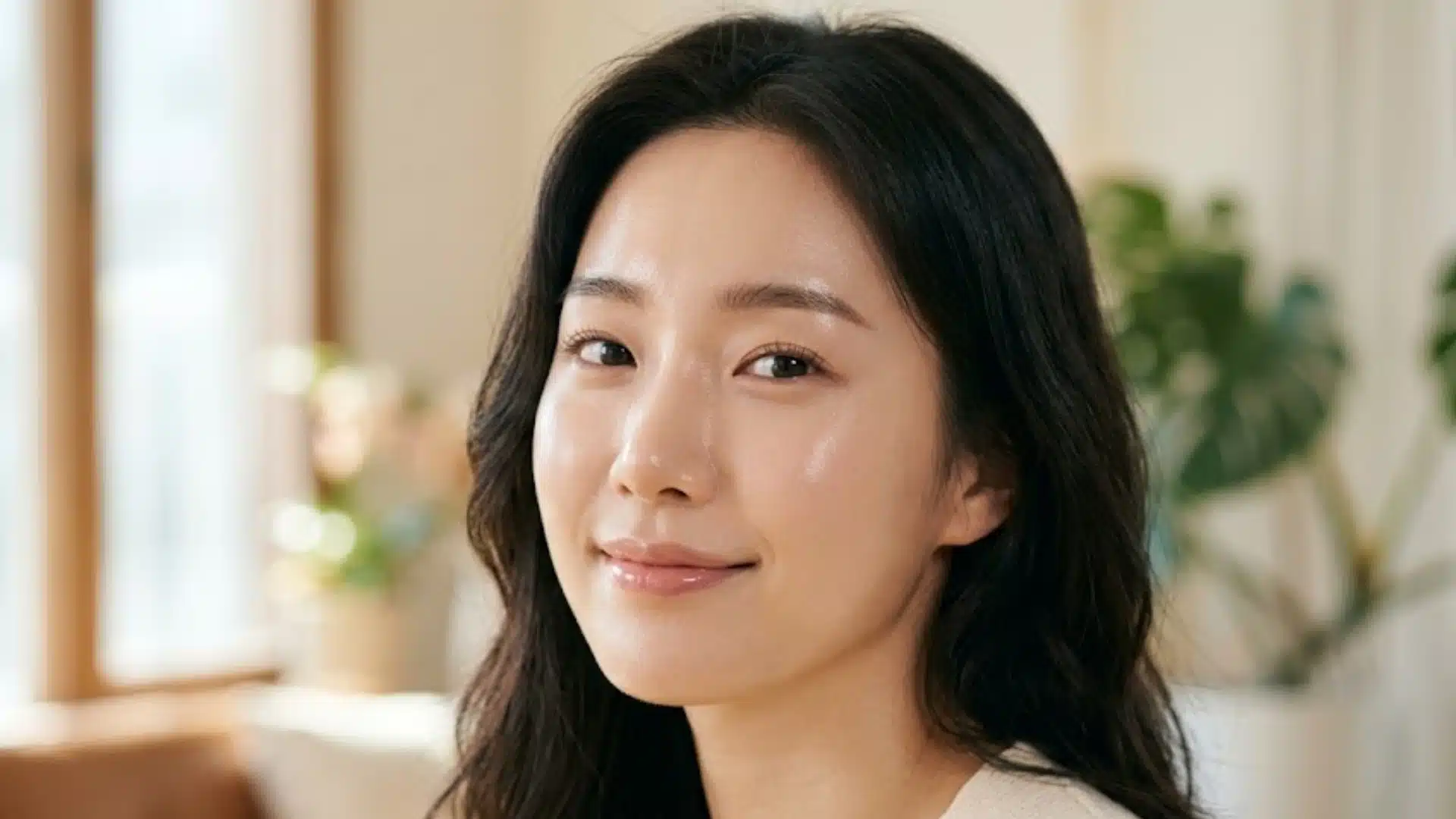
Clear, smooth, and glowing skin is a top priority. The glass skin ideal centers on deep, consistent hydration and an even tone that reflects light naturally.
A typical routine moves through cleansing, toning, essence, serum, and SPF; sometimes reaching ten steps or more.
The goal is healthy skin, not heavy makeup. Consistency matters more than products. Fair skin is still preferred, though this idea is now being questioned more openly in modern discussions.
Ideal Face Shape in Korean Beauty
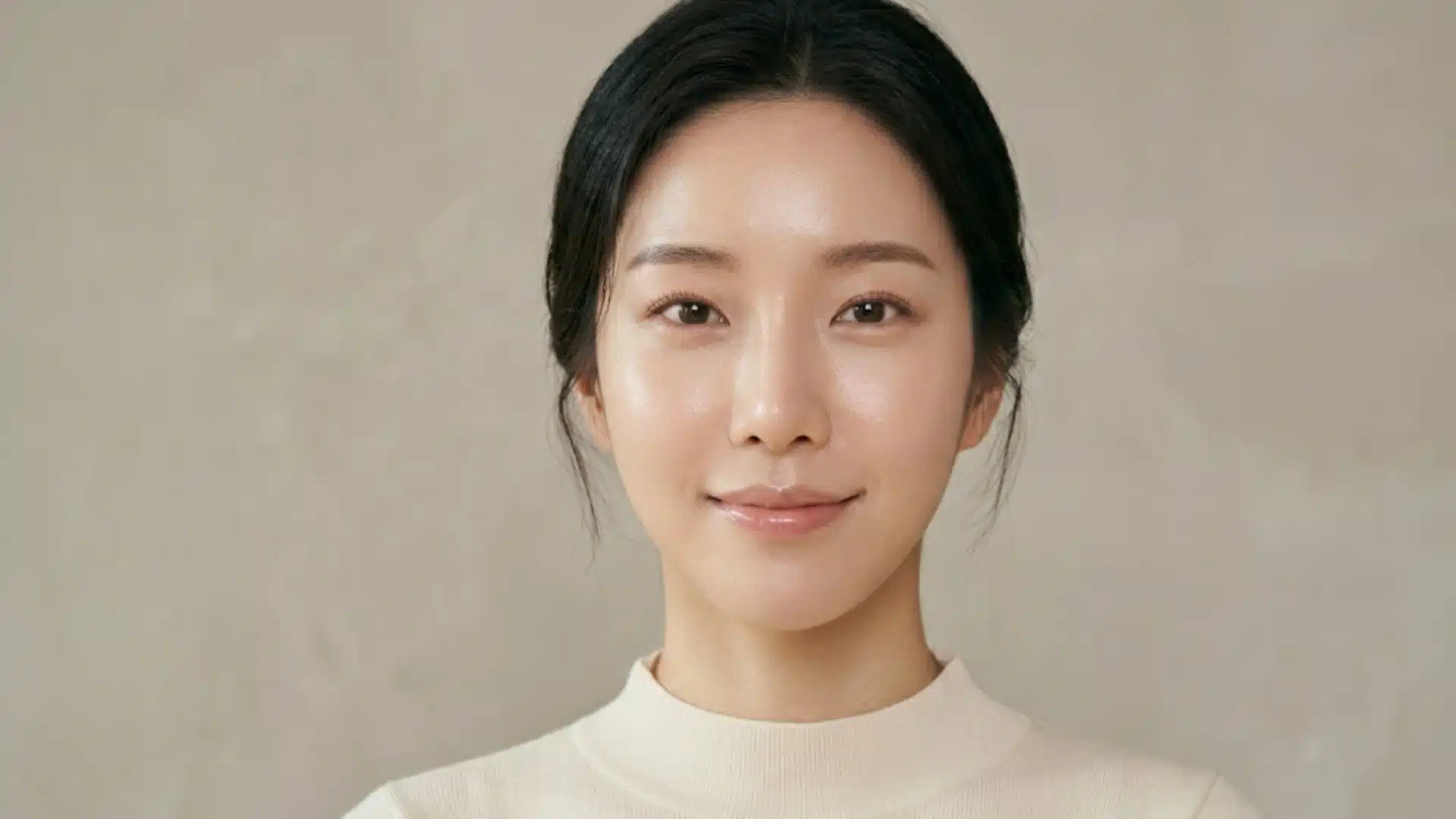
A small, V-shaped face is widely seen as ideal. A slim jawline and balanced features create a soft look. Contouring, facial massage, and slimming tools are popular non-invasive options, while facial contouring surgery remains one of Korea’s most requested cosmetic procedures.
Even the precise size of one’s face is discussed as a beauty variable in Korean culture, a level of specificity that often surprises people outside Korea.
Eye Beauty Standards in Korea
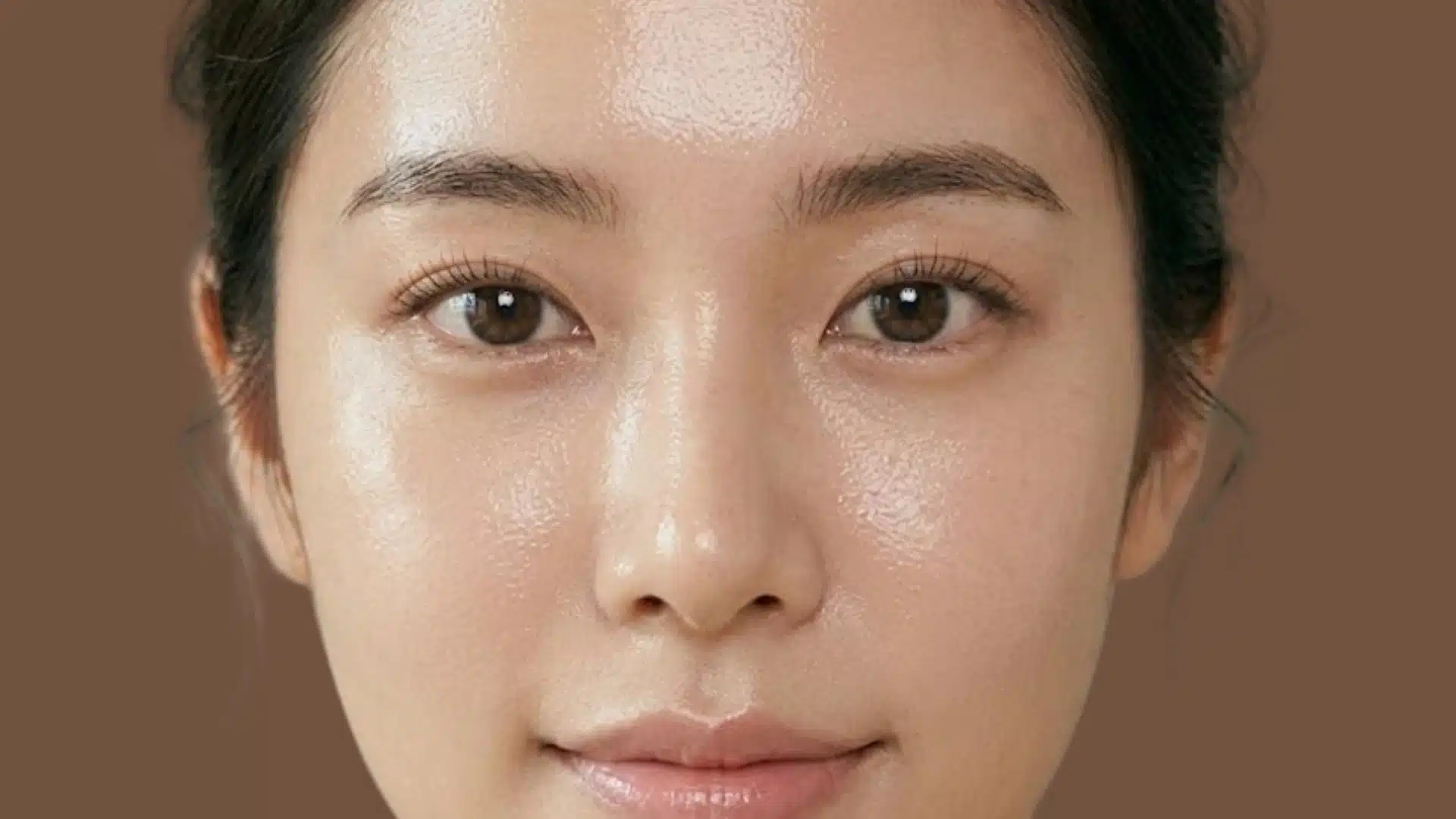
Eyes are meant to look large, soft, and expressive. Double eyelids are preferred as they make eyes appear bigger. Aegyo-sal, the slight puff under the eyes, adds a youthful look. Straight eyebrows are also common, giving a softer expression.
Makeup stays light and natural, focusing on enhancing features. The overall goal is a gentle and approachable appearance, not something bold or dramatic. If you want to try this look yourself, eyebrow tinting is one of the easiest ways to achieve that soft, uniform brow shape at home.
Nose and Lip Standards in Korean Beauty
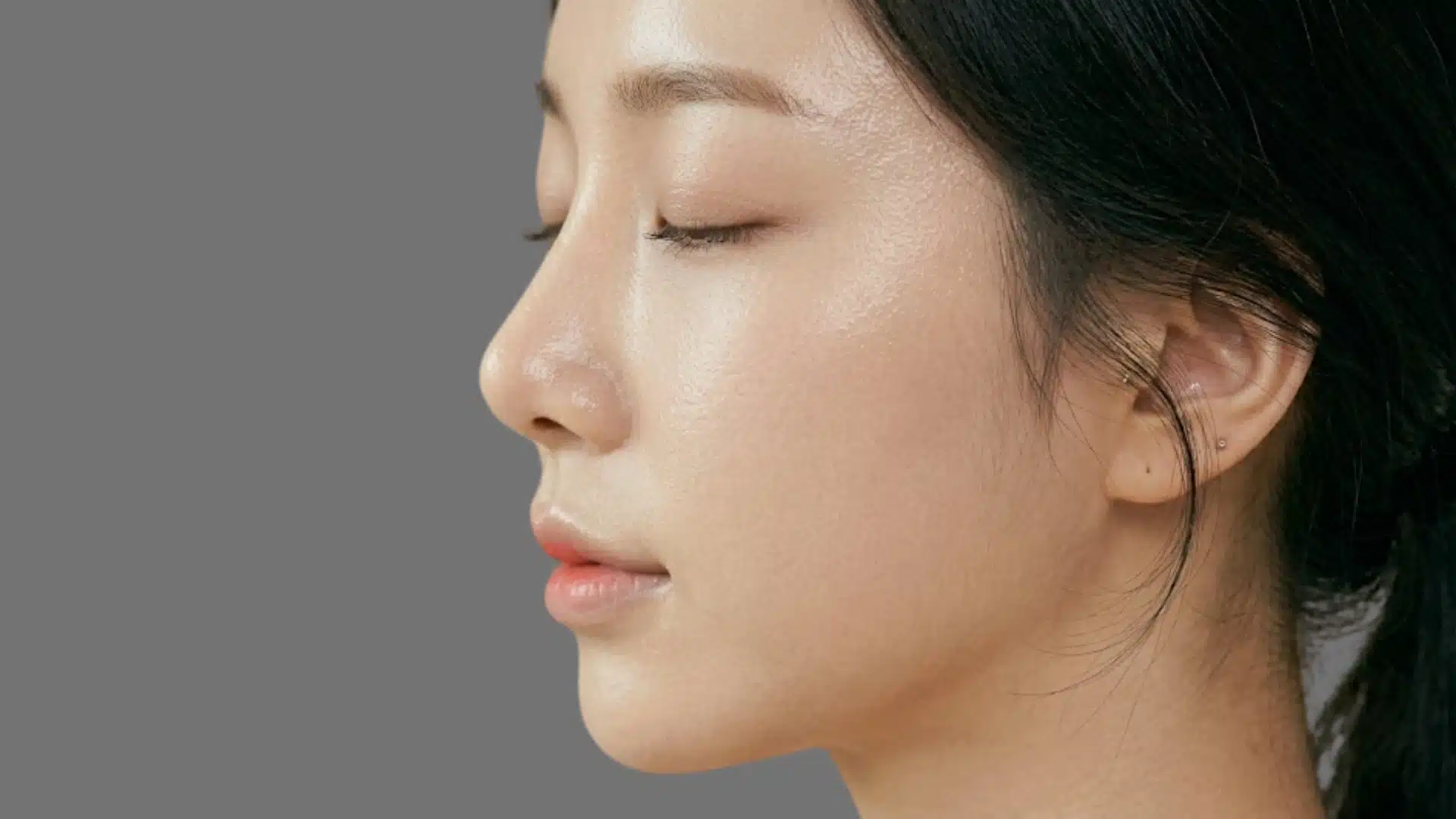
A small and straight nose is considered attractive. It helps create a balanced face. Many people use contouring or procedures to achieve this look.
Lips are kept soft and natural rather than bold. The gradient lip style is very popular, where color fades outward from the center. This creates a fresh and youthful effect without making the lips look overdone.
Hair Standards

Natural hair colors like black and brown are most common. Hair is expected to look smooth, healthy, and well-cared-for. Simple styles are preferred over bold looks.
Even though K-pop has introduced brighter colors, everyday beauty still leans toward neat and natural hair. Hair care is taken seriously, similar to skincare, with a focus on long-term health and shine.
Korean Beauty Standards for Men
Korean beauty standards apply strongly to men, with a focus that differs from Western ideas. Instead of a rugged look, the ideal leans toward the “flower boy” style.
This includes soft features, clear skin, and a balanced body. It is not seen as feminine, but as a distinct form of male attractiveness shaped by culture and media.
Skin quality is central. Men follow skincare routines with products like toner, essence, and SPF.
Korean men’s skincare has become one of the fastest-growing segments of the global beauty market, driven largely by idols who openly discuss their routines and normalize daily grooming.
Facial features also follow a soft yet defined look, including a sharp jawline, expressive eyes, and straight brows.
Height and physique also matter. A taller height and a lean, toned body are preferred over bulky muscles.
Grooming is expected at all times. K-pop groups like BTS have arguably done more to normalize male skincare globally than any marketing campaign could.
Fashion and Overall Appearance
Korean fashion follows the same principles as its beauty standards, emphasizing a clean, simple look. Outfits are usually well-fitted and coordinated, often in soft or neutral colors rather than bold styles.
The aim is to look neat without trying too hard. Grooming also plays a big role. Clean nails, tidy hair, and polished shoes all matter.
Even small details show effort and care. The idea of a “clean look” reflects this approach, where everything appears put-together in a subtle way.
Even casual outfits are styled with intention. This focus on presentation is not limited to fashion. It also reflects how appearance is valued in daily life and professional settings.
Korean beauty standards extend naturally into everyday makeup choices: if you want a starting point for this minimal, fresh aesthetic, a soft summer makeup palette captures the sheer tones and light coverage that Korean style favors.
Korean vs Western Beauty Standards
These differences show how culture shapes what people find attractive across different parts of the world.
| Feature | Korean Beauty Standard | Western Beauty Standard |
|---|---|---|
| Skin tone | Pale, luminous, porcelain | Varied, tan is often preferred |
| Eye ideal | Large, soft, double-lidded | Varied, bold, and dramatic looks |
| Eyebrows | Straight, soft, natural | Arched and more defined |
| Jawline | Slim, V-shaped, delicate | Defined but not always slim |
| Female body ideal | Slim, petite, S-line | Curves and athletic builds |
| Male ideal | Soft, lean, flower boy look | Rugged and muscular |
| Makeup finish | Dewy, natural, minimal | Ranges from natural to full glam |
| Skin focus | Very high, glass skin is ideal | Moderate to high |
The Role of Pop Culture and Changing Beauty Standards
K-pop, K-dramas, and Korean pop culture have played the biggest role in spreading Korean beauty standards worldwide.
Idols like BTS and BLACKPINK set trends with their clear skin, soft features, and styled looks, influencing fans almost instantly.
Skincare routines, makeup styles, and fashion choices often go viral within hours. Dramas also shape perception by showing polished characters and subtle changes in beauty, making these ideals feel relatable.
At the same time, things are slowly shifting. Younger audiences are increasingly valuing individuality and natural features.
Social media helps both trends grow and also gives space to different voices. Some idols, like TWICE’s Jihyo, openly embrace features like tanned skin, while others experiment with style and still gain support.
These small changes show a move from strict standards toward more personal expression.
Conclusion
Korean beauty has clearly grown beyond a local trend and turned into a global influence. From skincare routines to fashion and grooming, these ideas shape how people see and present themselves.
At the center of it all are Korean beauty standards that emphasize clear skin, soft features, and a balanced look.
These ideals come from history, culture, and strong media influence, but they are also changing with time.
There is now more space for individuality and personal style, even within a system that once felt very strict. While these standards can inspire better self-care, they can also create pressure if followed blindly.
So, it comes down to how you choose to see them. Do you follow them, adapt them, or question them? What are your thoughts on these beauty standards and their impact today? Let me know in the comments below.
Frequently Asked Questions
What Does “ulzzang” Mean in Korean Beauty?
Ulzzang (얼짱) translates roughly to “best face” and refers to a style of beauty that became popular through early Korean internet culture. It emphasizes large eyes, a small face, pale skin, and a youthful expression. While the term peaked in the 2000s, its influence is still visible in K-pop idol aesthetics today.
How Common is Cosmetic Surgery in South Korea?
South Korea has one of the highest rates of cosmetic surgery per capita in the world. Double eyelid surgery and facial contouring are among the most frequently performed procedures. The industry is estimated to be worth over $10 billion and is a significant part of the national economy, drawing both domestic patients and medical tourists from across Asia.
What is the “no-Makeup Makeup” Look in Korean Beauty?
The no-makeup makeup look is a Korean technique that creates the appearance of bare, effortless skin while still using products. It typically involves a sheer base, light blush, tinted lip balm, and subtle brow grooming. The goal is to look polished and healthy, with no visible product on the skin.