Hair often becomes tangled, frizzy, or flattened overnight because it rubs against pillows for hours.
Over time, that friction can lead to breakage, split ends, and moisture loss, especially for curly, coily, or long hair.
Protective hairstyles help reduce movement while you sleep, keeping strands in place and making hair easier to manage the next morning.
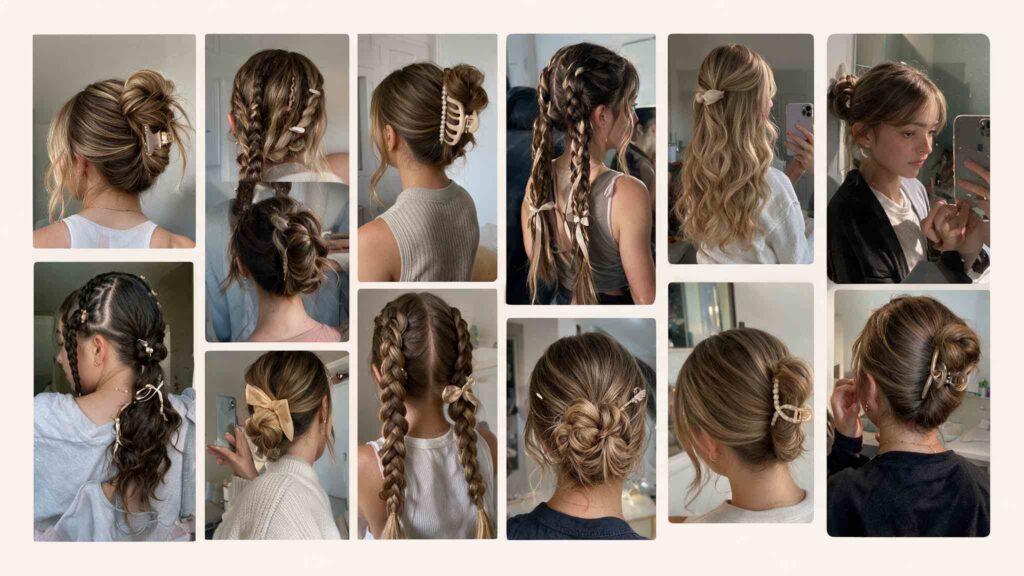
The best style depends on your hair type, length, and texture, with options ranging from loose braids and twists to buns and wraps.
This article covers the best protective hairstyles for sleeping, along with simple tips to help reduce damage and maintain healthier hair overnight.
Why Your Hair Needs Protection While You Sleep
Cotton pillowcases can be tough on hair because they absorb moisture and create friction while you sleep. Over time, this can damage the hair cuticle, leading to dryness, frizz, split ends, and breakage.
Sleeping with wet hair increases the risk, as damp strands are weaker and more prone to stretching and snapping. Letting your hair dry before bed can help prevent damage.
The ends of your hair need the most protection since they are the oldest and most fragile part of each strand. Keeping them tucked away overnight helps reduce wear and breakage.
Best Protective Hairstyles for Sleeping
The styles below cover every major hair type and texture. Each one works as-is or paired with a satin bonnet for extra protection.
1. The Pineapple: Best for Curly and Coily Hair
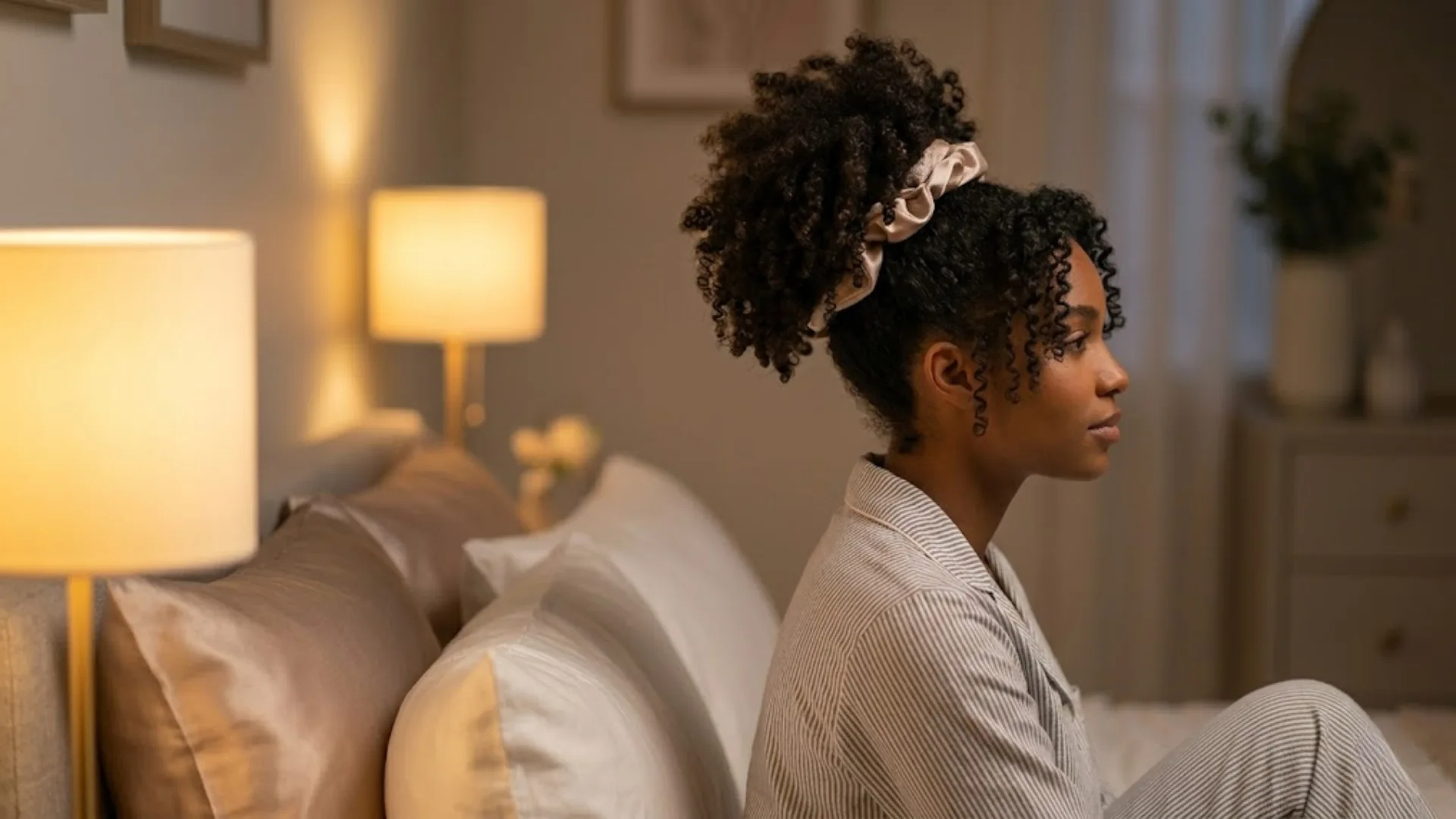
The pineapple is one of the most popular protective hairstyles for sleeping, especially for curly and coily hair.
It involves loosely gathering the hair at the crown of the head with a satin or silk scrunchie, allowing curls to stay lifted and maintain their shape overnight.
Keeping hair off the pillow helps reduce tangles, flattening, and frizz. The scrunchie should be loose enough to avoid dents or tension on the hairline.
For shorter curls, a multi-pineapple style using two or three sections can provide similar protection and comfort while sleeping.
2. Loose Braids: Best for Straight, Wavy, and Fine Hair
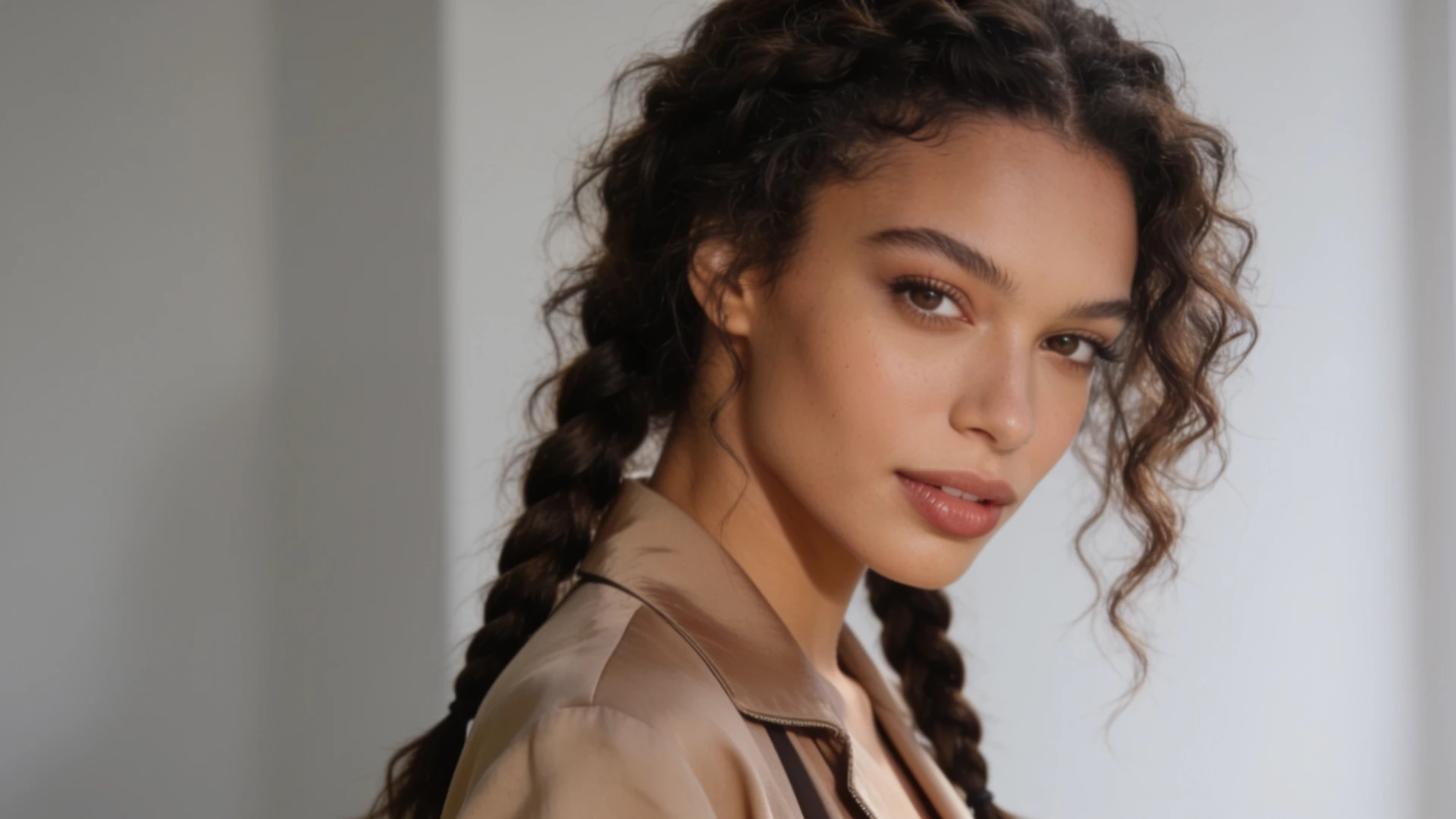
A loose braid is one of the best protective hairstyles for sleeping because it keeps hair contained and reduces friction against the pillow.
It works especially well for straight and wavy hair, helping prevent tangles, breakage, and moisture loss overnight.
Keep the braid relaxed from root to tip to avoid unnecessary tension on the scalp and hairline.
Thinning or fine hair benefits most from a very loose braid. Two braids can create more even waves and make sleeping more comfortable. Finish with a soft fabric hair tie to protect the ends and prevent breakage.
3. The Low Loose Bun: Best for Medium and Long Hair

A loose bun is one of the best protective hairstyles for sleeping because it keeps hair contained without creating tension.
Positioned at the nape or back of the head, it helps reduce friction, retain moisture, and prevent flattening while you sleep.
The key is keeping it loose, avoiding tight buns that pull on the scalp or hairline. Simply twist the hair gently, wrap it into a bun, and secure it with a soft fabric or silk tie.
This style is especially comfortable for thick, chemically treated, or color-treated hair, helping minimize tangles and moisture loss overnight.
4. Strand Twists: Best for Coily and Natural Hair
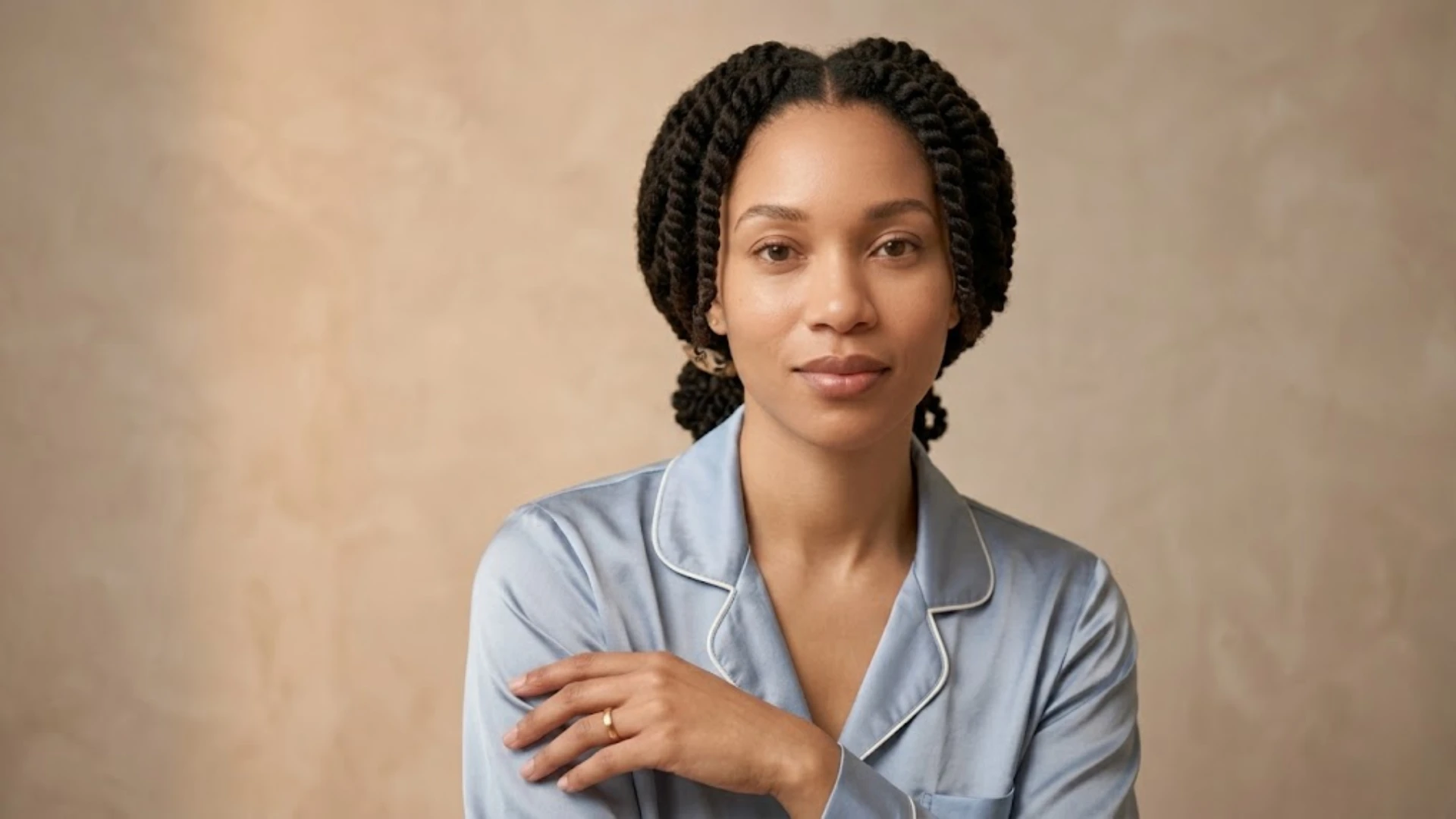
Two-strand twists are a simple protective style that works well for coily and natural hair without creating tension.
Divide a section of hair into two strands and twist them together from root to tip.
The twists help reduce friction, keep strands aligned, and maintain moisture overnight. They also work well on hair that is too short or fine for a pineapple hairstyle.
For best results, apply a light leave-in conditioner before twisting and avoid heavy oils that can cause scalp buildup.
5. Bantu Knots: For Definition Overnight
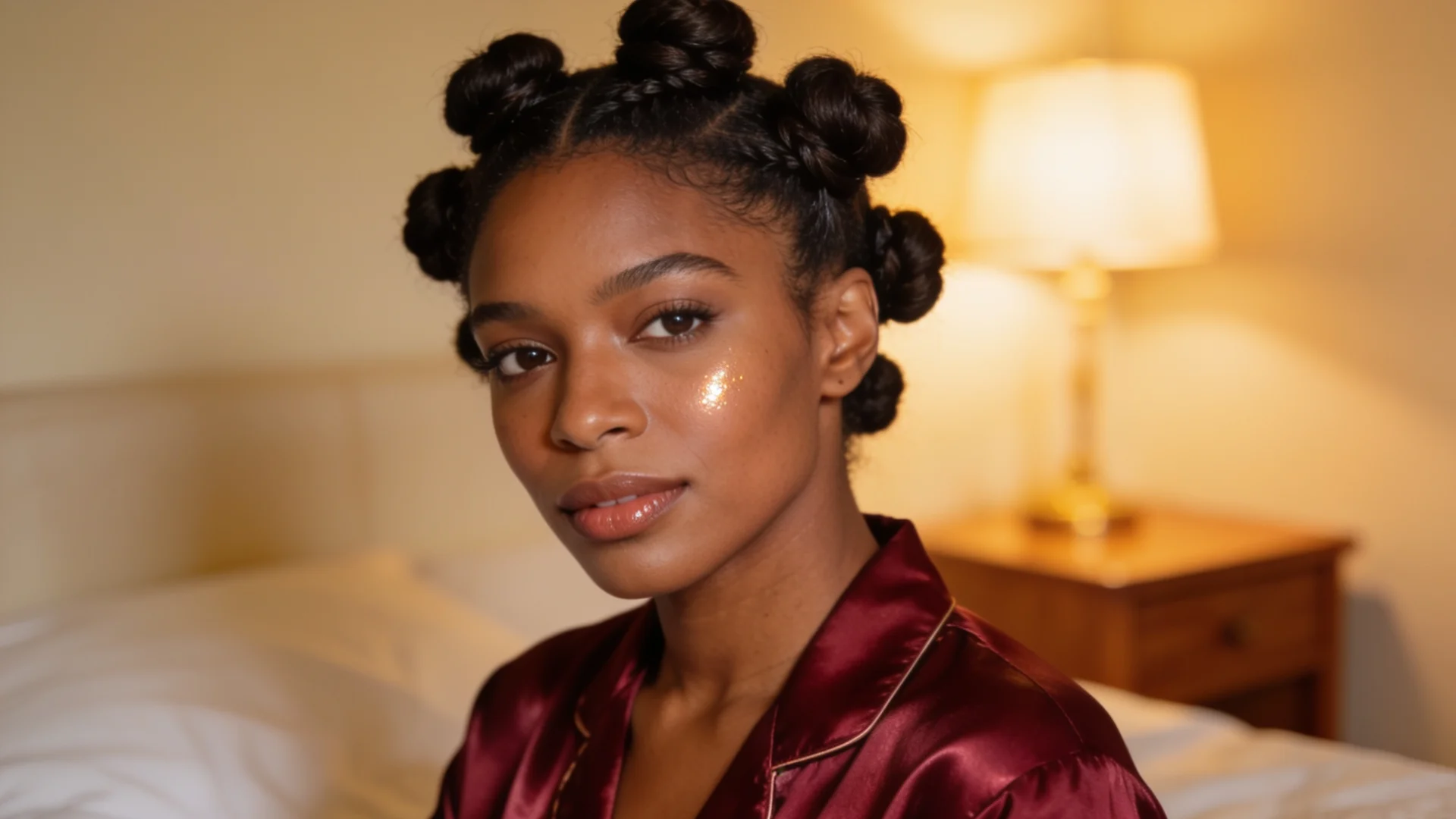
Bantu knots are a protective hairstyle where sections of hair are twisted and wrapped into small knots close to the scalp.
They keep hair fully contained, reducing friction and helping prevent breakage while you sleep.
Best suited for coily and natural hair, Bantu knots also create defined, heat-free curls when taken down in the morning.
For the best overnight results, pair them with a satin bonnet to lock in moisture and minimize frizz. Just make sure the knots are not too tight to avoid scalp tension.
6. Silk Scarf Wrap
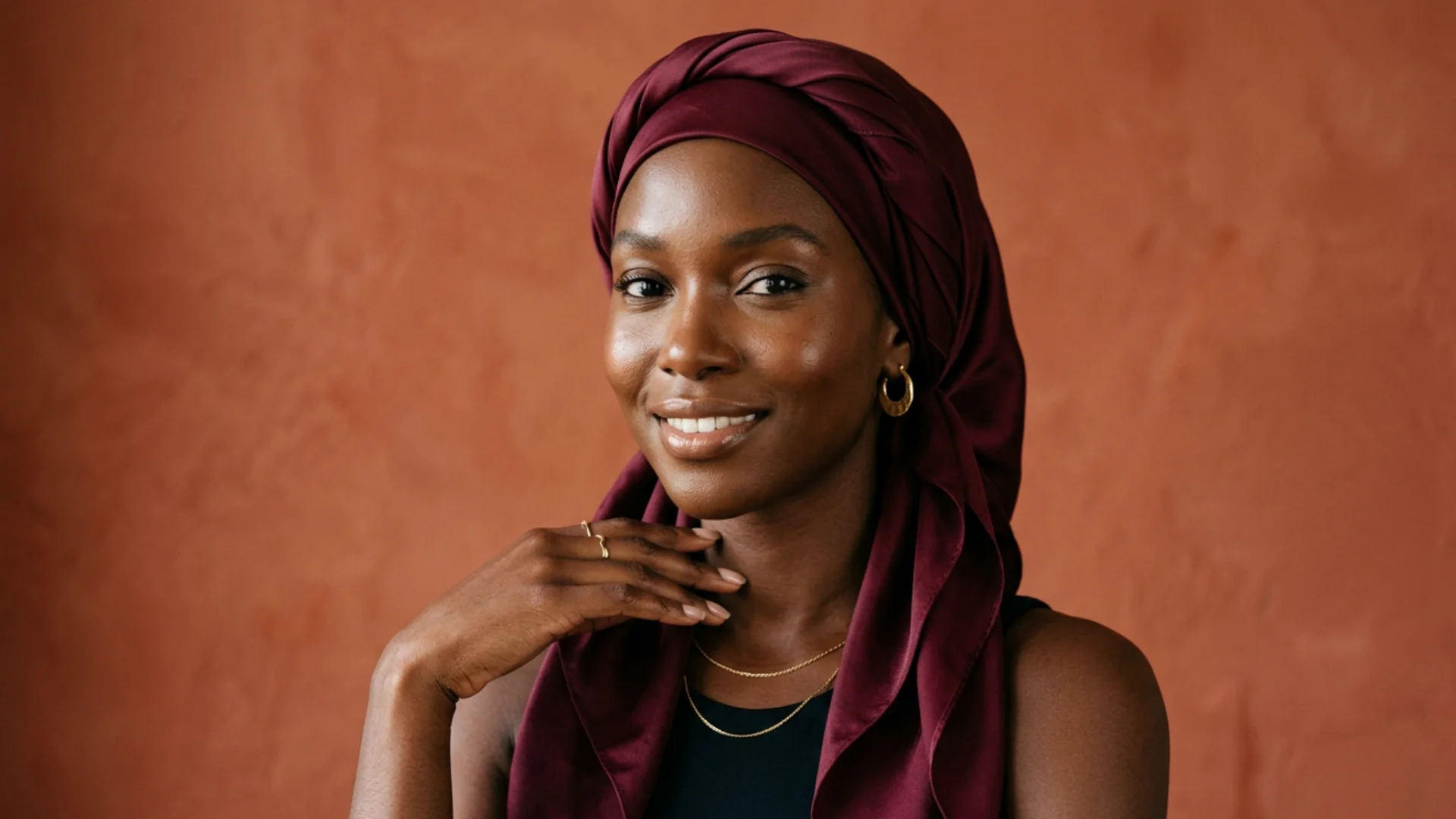
Wrapping your hair in a silk or satin scarf before bed is one of the most effective ways to protect your strands overnight.
The smooth fabric reduces friction between your hair and the pillowcase, preventing breakage and frizz.
It works exceptionally well for relaxed, natural, or color-treated hair that needs extra moisture retention.
Simply smooth your hair flat or in a loose swirl, then secure the scarf around your head. This method also helps preserve blowouts and silk presses for multiple days.
7. Loose Flat Twists

Flat twists lie close to the scalp and are far gentler than tight protective styles, making them ideal for bedtime.
They keep your natural coils or curls in a stretched, defined pattern, so you wake up with elongated waves or clumps of curls.
Unlike regular twists, flat twists distribute tension more evenly, reducing stress on your edges and scalp.
They work best on medium-to-long natural hair and can be done in just two large sections for a quick routine. Finish with a satin bonnet over the top for maximum moisture lock-in.
8. Halo Braid (Crown Braid)
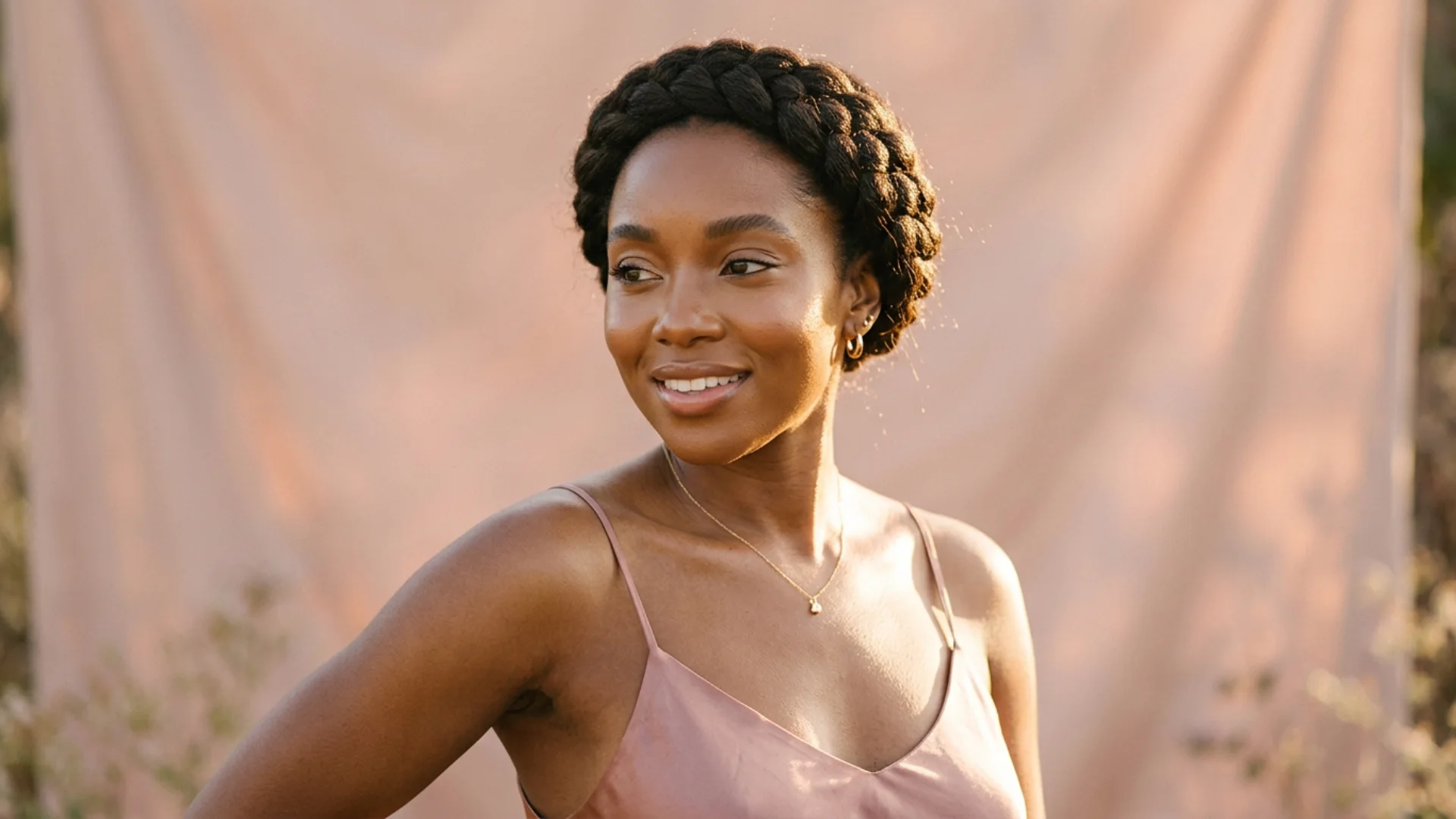
The halo braid wraps a single braid around the crown of your head like a headband, keeping all your hair flat, contained, and away from friction zones.
This style works beautifully for women with medium to long hair of any texture, including transitioning hair.
Because the braid sits evenly around the head, it avoids creating a single pressure point the way a top bun can.
It also dramatically minimizes tangling, since all the hair is neatly secured in a single continuous pattern. Pair it with a satin pillowcase or loose bonnet to reduce any remaining friction overnight.
9. Rolled & Pinned Sections (Pin Curls)
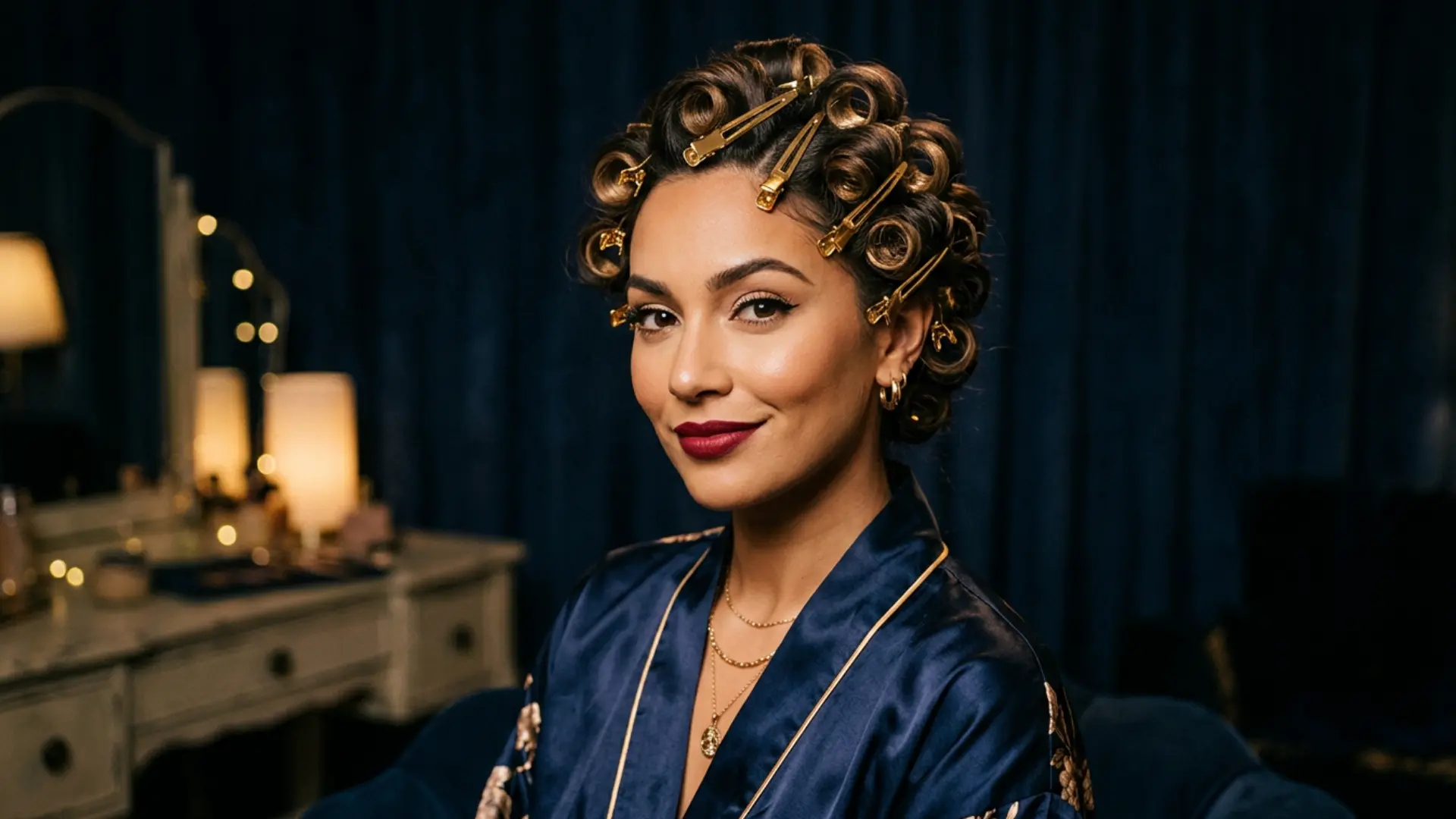
Pin curls are a timeless overnight method where sections of hair are rolled flat against the scalp and secured with bobby pins or duckbill clips.
This technique protects the hair from friction while also setting a beautiful wave or curl pattern for the next morning.
It’s especially effective for women with wavy, heat-styled, or relaxed hair who want to extend the life of a blowout or press.
Each pinned section prevents the hair from rubbing against itself or the pillow. Remove the pins in the morning, finger-comb gently, and you’ll have bouncy, defined, heat-free waves.
10. High Loose Puff (Without Tension)
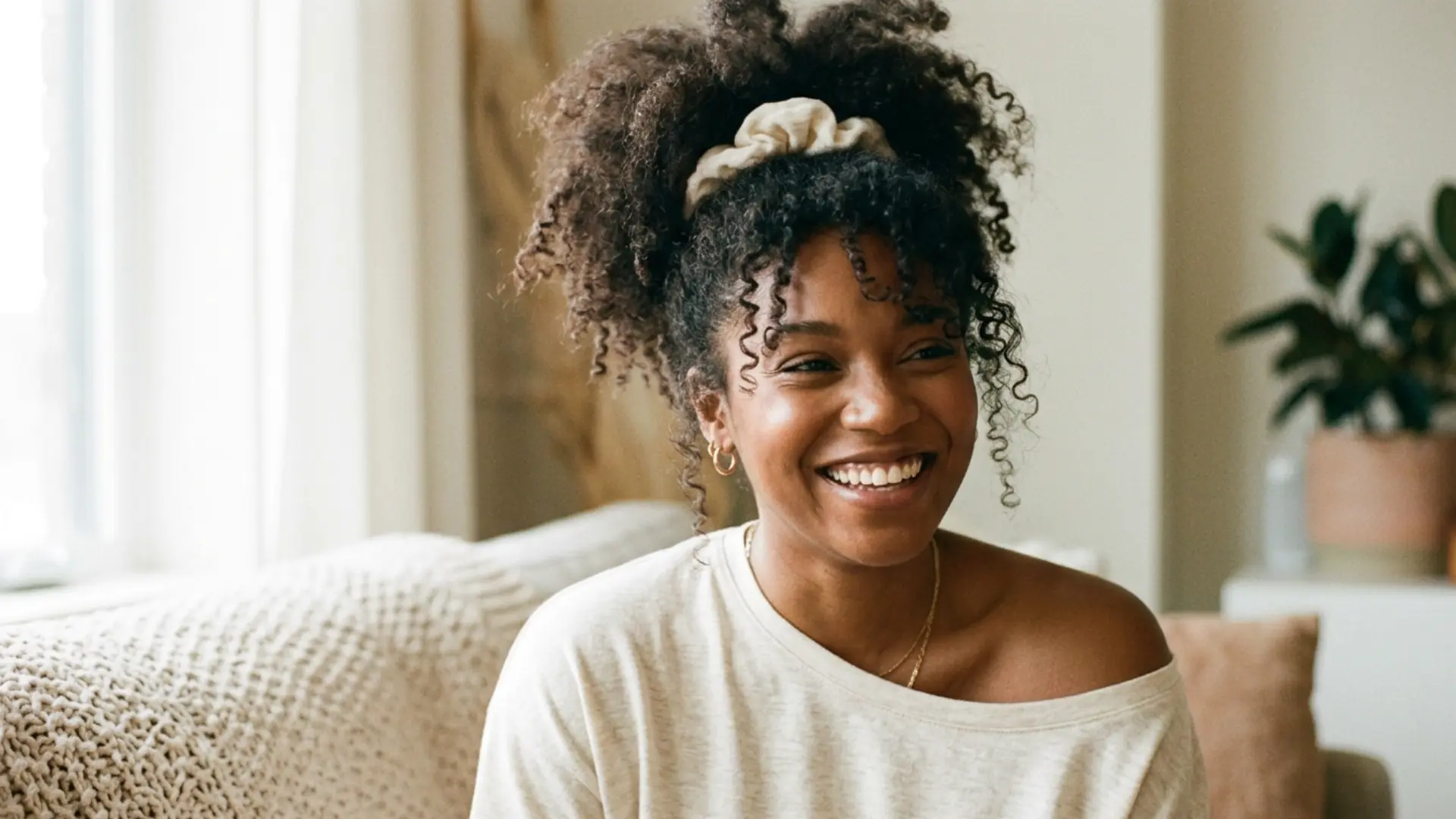
A high loose puff is similar to a pineapple but is styled more as a full rounded shape using a very loose, fabric-covered hair tie rather than a traditional elastic.
It gathers all your curls toward the top of the head, preventing them from being crushed beneath your body weight as you sleep.
Unlike tight ponytails or buns, the key is to keep tension at the roots to a minimum; the tie should be loose enough to slip off easily.
This works best for Type 3 and Type 4 natural hair with significant volume and length. Top it off with a large satin bonnet or sleep cap to seal in moisture and keep the puff intact.
11. Scalp Braids with Free Ends (Feed-in Half Style)
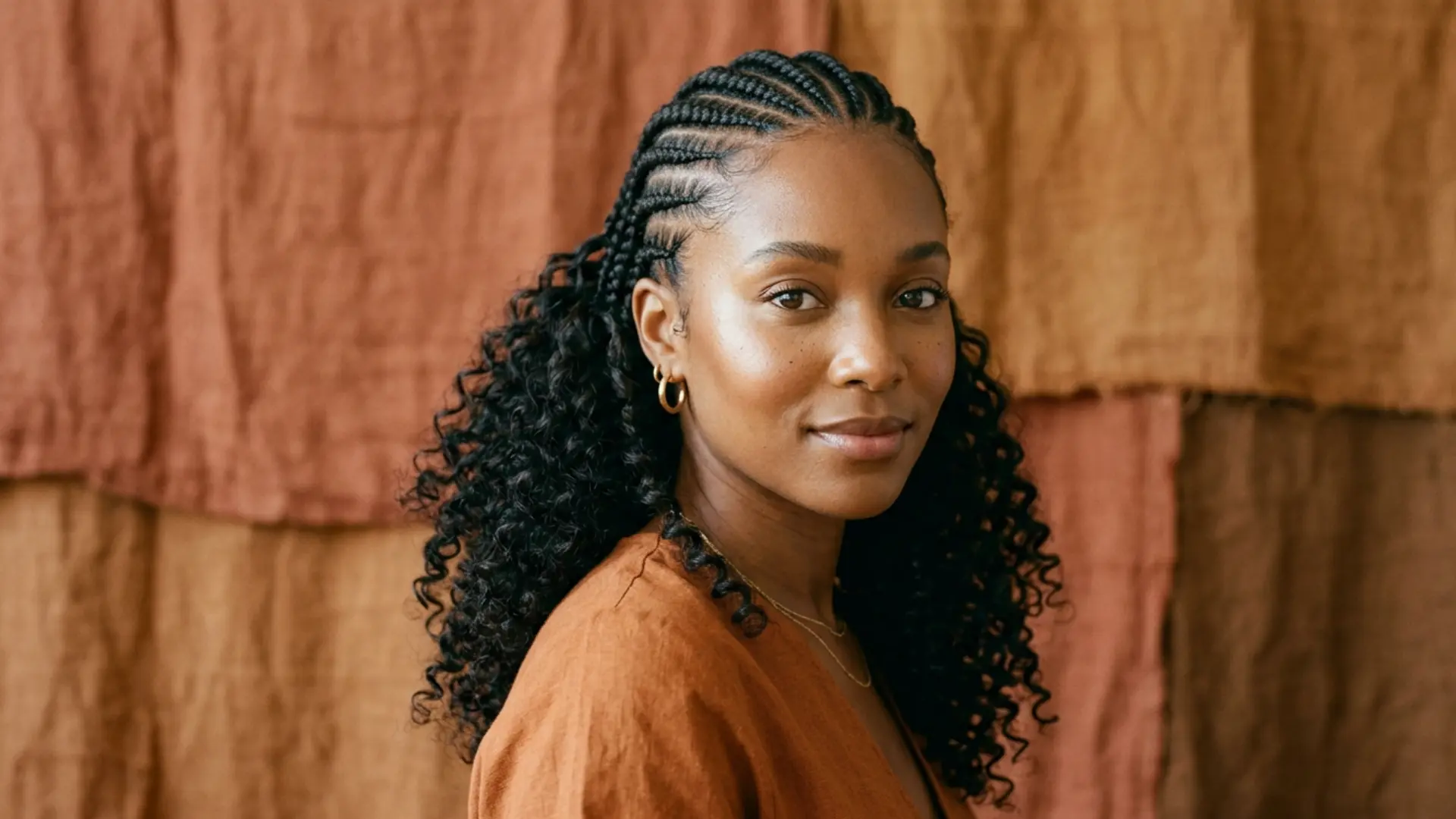
This style involves doing small- to medium-sized scalp braids, like cornrows, just across the front and crown of the head, while leaving the ends loose or lightly bunched at the nape.
It protects the most vulnerable parts of your hair: the edges, the crown, and the top layer that typically bears the most friction.
The loose ends at the back can be gathered softly with a scrunchie to prevent tangling.
It’s an excellent option for women who find full braiding too time-consuming but still want structured overnight protection. Sleep on a satin pillowcase or wear a light bonnet to keep the style fresh for multiple nights.
Benefits of Protective Hairstyles for Sleeping
Consistent overnight protection reduces breakage, retains moisture, and makes morning styling significantly faster. The benefits aren’t dramatic after one night, but they compound over weeks into noticeably stronger ends and fewer split ends at each trim.
- Reduces friction and breakage by keeping strands from rubbing against rough fabric all night.
- Retains moisture and prevents dryness by limiting exposure to absorbent cotton surfaces.
- Minimizes tangles and matting so morning detangling takes seconds instead of minutes.
- Preserves curls, waves, and styled looks so you can go an extra day between styling sessions.
- Reduces frizz and flyaways caused by cuticles roughening overnight.
- Protects hair extensions and existing protective styles from loosening or tangling while you sleep.
If you have straight, wavy, curly, or coily hair, sleeping in a protective hairstyle can help preserve your look, extend the life of your styling efforts, and support healthier hair growth over time.
Consistently protecting your hair at night is one of the simplest ways to wake up with smoother, more manageable hair.
Silk and Satin: Why the Fabric Choice Matters
Your sleep surface amplifies or undermines whatever protective style you choose. A satin bonnet over a cotton pillowcase is still better than nothing, but pairing both gives the strongest overnight protection.
This matters most for anyone managing chemically treated hair care overnight, where moisture retention is critical to extending treatment results.
| Option | Benefits | Best For |
|---|---|---|
| Silk Pillowcase | Minimizes friction, reduces breakage, and moisture loss | Fine, color-treated, or high-porosity hair |
| Satin Pillowcase | Reduces friction at a lower cost | Thick, coily, and textured hair |
| Satin Bonnet | Protects hairstyles, prevents product transfer, and reduces frizz | All hair types, especially protective styles |
| Satin Bonnet + Pillowcase | Maximum overnight protection and style preservation | Those seeking the best hair protection while sleeping |
Choosing the right sleep accessory can make a big difference in reducing friction, frizz, and overnight breakage.
For the best protection, pair a satin bonnet with a silk or satin pillowcase.
Common Mistakes that Cancel out Protective Styling
The style is only part of the equation. A few habits undo the protection before it has any effect:
- Elastic bands on the hairline: Tight bands sitting at the edges create traction on the most fragile hair. Move the tie back slightly or use a satin scrunchie.
- Sleeping with wet or damp hair: Wet hair is structurally weaker and more prone to snapping when subjected to friction. Dry hair fully before bed, or plan to wash earlier in the evening.
- Styles that are too tight at the roots: A headache in the morning is a sign that roots were under tension all night. Loose is always better.
- Skipping product before styling: A light leave-in conditioner or cream applied to clean, damp hair before a braid or twist gives the hair something to retain overnight.
- Using cotton to wrap: Even with a protective hairstyle, a cotton pillowcase will undo moisture retention. Switch to satin or silk, or add a bonnet.
If you have thick, straight (type 1C) hair, a loose braid and a satin pillowcase can help reduce overnight frizz, prevent dryness, and keep your hair smoother by morning.
Choosing the Right Protective Style by Hair Type
Choosing the right sleep style depends on your hair type, texture, and how easily it tangles or loses moisture overnight.
Pairing a gentle protective hairstyle with satin or silk fabric helps reduce friction, frizz, breakage, and morning knots.
| Hair type | Best sleep style | Fabric pairing |
|---|---|---|
| Curly (type 3A–3C) | Pineapple or loose bun | Satin bonnet or silk pillowcase |
| Coily (type 4A–4C) | Two-strand twists, Bantu knots, or pineapple | Satin bonnet |
| Wavy (type 2A–2C) | Loose single braid or pineapple | Satin or silk pillowcase |
| Straight (type 1A–1C) | Loose braid or low bun | Satin pillowcase |
| Fine hair (any texture) | Very loose braid or loose bun | Silk pillowcase |
| Thick or chemically treated | Loose bun or two-strand twists | Satin bonnet or pillowcase |
The best bedtime routine is the one that keeps your hair secure, comfortable, and protected while you sleep.
A Simple Five-Minute Nighttime Hair Routine
A consistent five-minute routine before bed is enough to protect your hair every night. It doesn’t need to be elaborate.
- Detangle gently from the ends to the roots using a wide-tooth comb or your fingers.
- Apply a small amount of leave-in conditioner or lightweight hair oil to the lengths and ends.
- Choose your protective style, braid, bun, pineapple, or twists, based on your hair type.
- Secure with a satin scrunchie or a soft fabric tie.
- Use a satin bonnet or sleep on a satin or silk pillowcase.
Processed hair responds especially well to this routine. Heat styling and color leave the cuticle more vulnerable to friction, so the nightly five minutes pays back more the more your hair has been through.
Conclusion
Protecting your hair at night is all about reducing friction, retaining moisture, and keeping ends protected. The best protective hairstyle for sleeping depends on your hair type and routine.
Pineapples work well for curly hair; loose braids suit straight and wavy textures, while twists and Bantu knots help coily hair stay protected and defined.
Pair your style with a satin or silk pillowcase or bonnet to minimize friction and support healthier hair over time. Small changes can lead to less breakage, softer strands, and easier mornings.
Which protective hairstyle for sleeping works best for you? Share your favorite overnight hair routine in the comments below!
Frequently Asked Questions
Can Protective Hairstyles for Sleeping Cause Hair Loss?
Protective styles are safe when worn loosely. Tight styles at the roots or hairline can cause traction and damage over time. If your scalp feels sore in the morning, loosen and redo the style.
How Often Should I Switch Between Protective Styles?
There’s no strict rule; most people alternate between two or three styles throughout the week. The key is to change where elastics and tension are placed, as repeated stress on the same area can weaken the hair over time.
Is It Better to Braid Hair Wet or Dry Before Sleeping?
Dry hair is best for sleeping, as wet hair is more fragile and prone to breakage. If you wash your hair at night, let it air dry completely or use a microfibre towel before styling it for bed.
Does Sleeping with a Bun Damage Hair?
A loose bun at the nape or back of the head is generally safe for sleeping. Avoid tight or high buns, as they can cause scalp tension and hair breakage. For best results, keep the bun loose and secure it with a soft hair tie instead of a tight elastic or metal clip.