There is a specific kind of dullness that happens to hair after a few weeks of sun, hard water, and dry shampoo. It does not look bad exactly, just flat.
If you’ve ever wished for that fresh-from-the-salon glow without committing to another coloring session, a hair glaze may be exactly what you need.
This gentle, temporary treatment coats the outer layer of your hair to boost shine, smooth frizz, and refresh your overall look without changing your natural color or causing chemical damage.
Whether your hair is color-treated or completely natural, a hair glaze offers a simple way to bring back softness and a healthy-looking finish.
What is a Hair Glaze?
A hair glaze is a temporary hair treatment that coats the outside of the hair instead of changing it deeply from the inside.
It is usually used when hair looks dull, dry, flat, or slightly faded after coloring. The glaze adds a smooth layer over the strands, which helps hair look shinier and softer.
It can also calm light frizz and make flyaways less noticeable. Some formulas are clear and focus only on shine, while tinted glazes can add a soft color refresh.
That tint is usually gentle, so it will not cause a major color change like permanent dye does.
Think of it as a quick hair refresh for added shine, smoother texture, and a cleaner finish, without a long-term commitment.
What Does a Hair Glaze Do to Your Hair?

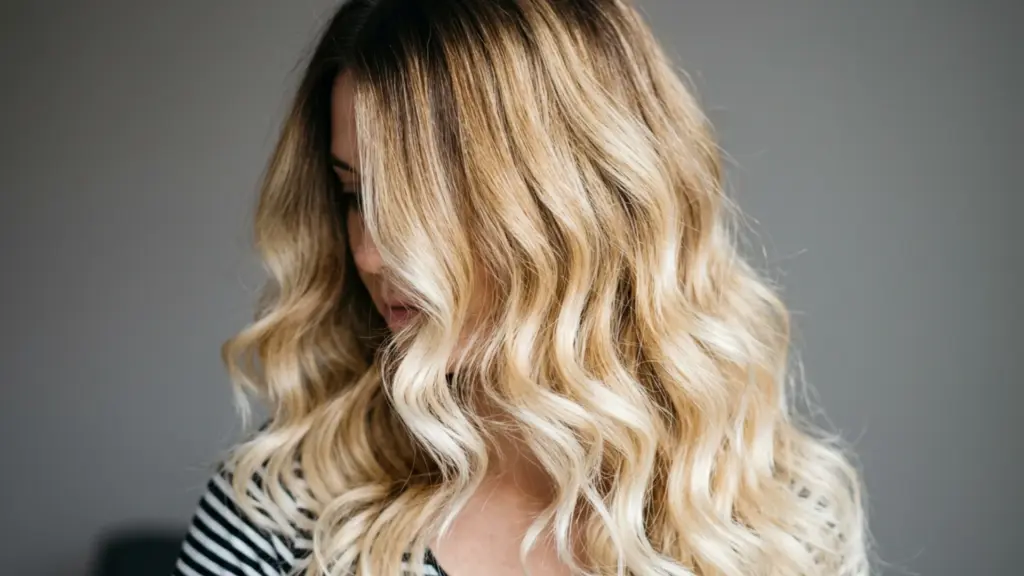
A hair glaze gives hair a fresher finish by adding shine, smoothing the surface, and lightly improving dull or faded color.
1. Adds Soft Shine
A hair glaze can make dull hair look brighter without changing the haircut or full color.
It adds a light coating over the outside of each strand, which helps the surface look smoother. When hair is dry, faded, or flat, it may not reflect light very well.
A glaze can help improve that soft shine, so the hair looks cleaner and more polished. The result is usually natural, not overly glossy or heavy.
2. Reduces Frizz and Flyaways
A hair glaze can help calm light frizz by smoothing the outer layer of the hair. Since it coats the strand, it may make flyaways look less noticeable and help the hair sit better.
This does not mean it repairs split ends or fixes damage from heat, bleach, or dryness.
It mainly gives the surface a neater finish. For hair that looks rough or puffy, glaze can make the overall texture look softer and more controlled.
3. Refreshes Hair Color Lightly
Tinted hair glaze can refresh faded color or add a soft tone when the hair looks washed out.
It may help brown hair look richer, blonde hair look brighter, or colored hair look more even. The result is usually subtle because the glaze does not work like a permanent dye.
A clear glaze differs in that it focuses more on shine than on color. It is a better choice when the hair color is fine, but the finish looks dull.
4. Makes Hair Feel Smoother
A hair glaze can make hair feel softer because it coats the outside of the strand. That smooth layer can reduce roughness and make the hair easier to touch, comb, or style.
It can also help dry-looking ends appear a little cleaner. Still, glaze is not a permanent repair treatment.
It will not rebuild damaged hair or reverse breakage. It works more like a temporary finish, giving hair a smoother look and feel.
Benefits of a Hair Glaze
A hair glaze can instantly improve your hair’s appearance by adding shine, reducing frizz, enhancing color, and making strands look healthier without permanent chemical processing.
- Immediate shine: The cuticle-smoothing effect is visible as soon as the glaze is rinsed out and hair is dried. It does not build up over time. The result is there from the first use.
- Frizz control: Smoothed cuticles hold their shape better in humidity. Hair stays softer and more manageable through the day without extra product.
- Color refresh: A tinted glaze can bring life back to faded color, warm up ashy highlights, or add a golden glow to naturally dulled hair.
- Healthier-looking texture: Glazes fill in surface damage without masking it with heavy coating. Hair feels genuinely softer rather than coated.
- No chemical exposure: Because there is no ammonia, no developer, and no lift involved, a glaze adds zero stress to the hair structure. This makes it safe for chemically treated, bleached, or fragile hair.
- Low commitment: Results fade cleanly within 1-2 weeks. There is no awkward grow-out, no color correction needed if you do not like the result, and no long-term obligation.
Hair Glaze vs. Hair Gloss: What’s the Difference?
This table makes the difference easier to understand before choosing between a glaze and a gloss for shine, color, frizz, and upkeep.
| Feature | Hair glaze | Hair gloss |
|---|---|---|
| Main purpose | Adds shine, smoothness, and a light refresh | Adds shine, tone correction, and deeper color refresh |
| Formula strength | Lighter and more temporary | Stronger and usually longer-lasting |
| How it works | Coats the outside of the hair | Can coat the hair and lightly affect the tone |
| Color effect | Clear or soft tint | More noticeable color or tone change |
| Shine level | Soft, natural shine | Stronger, glassier shine |
| Frizz control | Helps calm light frizz and flyaways | Gives smoother results with more polish |
| How long does it last | Usually, a few washes | Usually a few weeks |
| Best for | Dull hair, mild frizz, and low commitment shine | Faded color, brassiness, and longer-lasting shine |
Is Hair Glaze Better than Hair Gloss?
Hair glaze is not always better than hair gloss. It depends on what the hair needs. A glaze is usually the better choice when the goal is quick shine, soft smoothness, and a simple refresh without a big color change.
It feels more low-commitment because the results are lighter and fade faster. A gloss is usually better when the hair needs stronger tone work, longer-lasting shine, or help with brassiness.
- Choose hair glaze: For dull hair, mild frizz, soft shine, and a quick refresh.
- Choose hair gloss: For faded color, brassiness control, deeper shine, and long-lasting results.
- Ask a stylist: If the hair is bleached, highlighted, damaged, or recently colored.
So, glaze works best for a gentle finish, while gloss is better for more noticeable color care.
Who is a Hair Glaze Best For?
Understanding your hair type can help you get the best results from a hair glaze. Although it works on most hair types, the benefits may vary based on your hair’s texture, condition, and whether it has been colored.
- Color-Treated Hair: A hair glaze revives faded color, boosts shine, and keeps your hair looking fresh between salon appointments without additional chemical processing.
- Bleached Hair: A glaze smooths the hair cuticle, reduces dullness, and adds shine, making bleached or highlighted hair look softer and healthier.
- Natural Hair: Clear glazes enhance natural shine, while tinted formulas add subtle depth without the commitment of permanent hair color.
- Curly Hair: A hair glaze helps tame frizz, define curls, and improve softness without weighing down your natural curl pattern.
- Fine Hair: Lightweight formulas add shine and smoothness without making fine hair feel heavy, greasy, or flat.
- Thick Hair: Coarse or thick hair benefits from enhanced smoothness and shine, with results that may last slightly longer.
- Gray Hair: A clear glaze softens coarse strands, boosts shine, and gives gray hair a smoother, more polished appearance.
How Long Does a Hair Glaze Last?
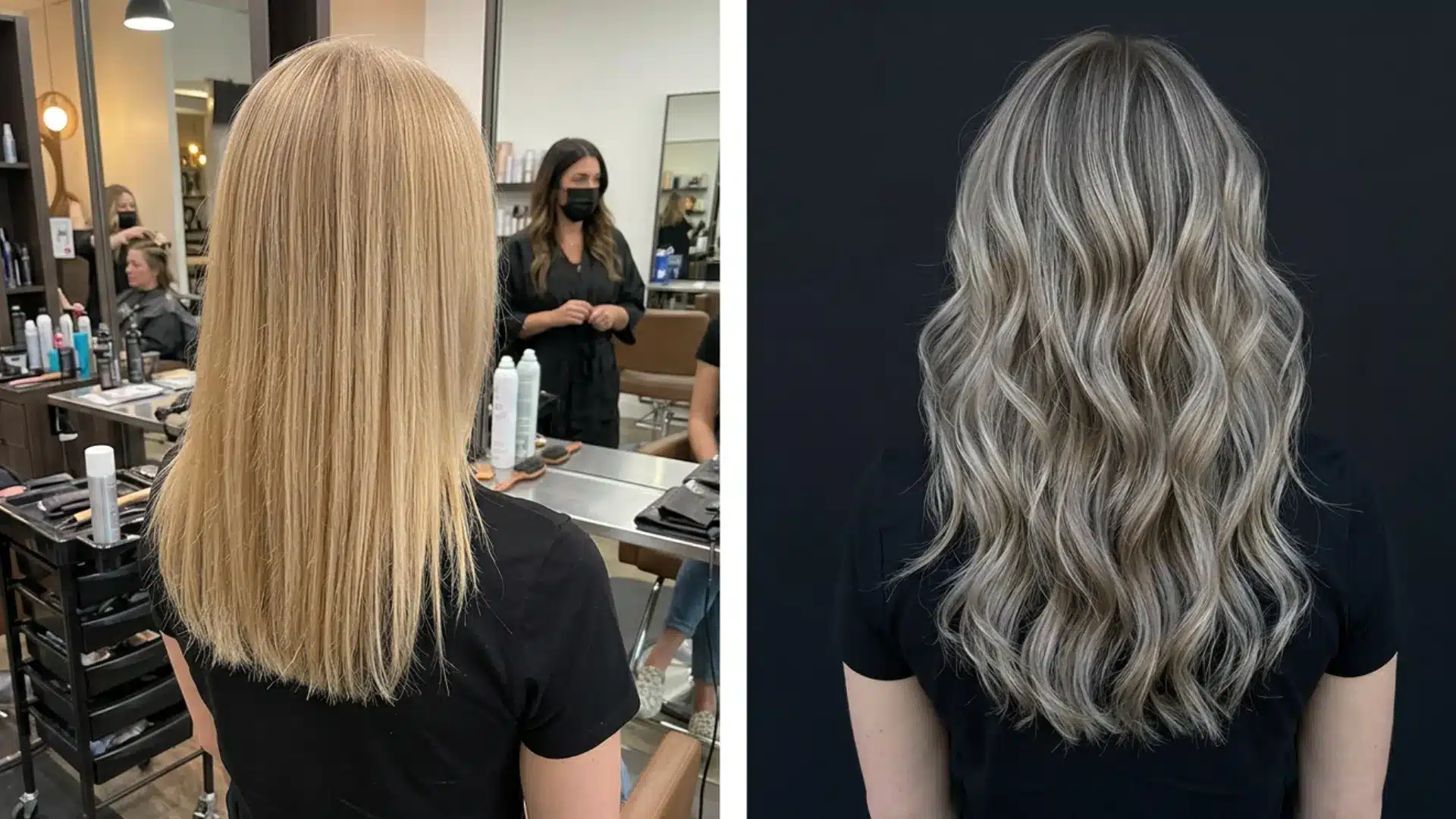
A hair glaze typically lasts 1 to 2 weeks, though some formulas can last up to 3 weeks with proper care; 1 to 2 weeks is the realistic expectation for most people.
How long it lasts depends mainly on washing frequency. Frequent shampooing removes the surface coating more quickly, while washing every 2 to 3 days helps the glaze last longer.
Hair porosity also plays an important role. Highly porous or damaged hair absorbs the glaze more easily, but it may also fade faster due to the uneven condition of the cuticle.
Heat styling can also reduce longevity, as excessive heat breaks down the coating, especially in the first few days after application. Similarly, sun exposure can gradually fade tinted glazes and reduce overall shine and vibrancy.
This guide on how often you wash your hair helps you find the right washing routine to reduce fading and keep hair looking smooth and polished for longer.
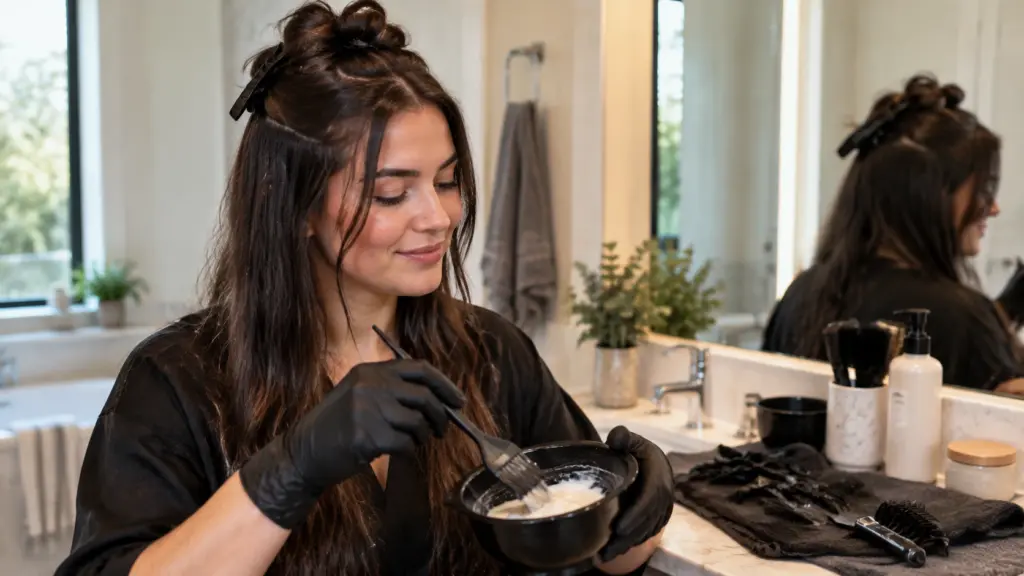
How to Apply a Hair Glaze at Home?
Applying a hair glaze at home is simple when you follow the right steps. Preparing your hair properly and applying the formula evenly will help you achieve a smoother, shinier finish that lasts longer.
- Wash your hair thoroughly: Use your regular shampoo to remove oil, dirt, and product buildup. A clean surface helps the glaze coat hair evenly and deliver better shine.
- Towel dry until damp: Gently towel-dry your hair until it is damp but not dripping. Most hair glazes work best on damp hair for even application and consistent results.
- Section your hair: Divide your hair into four or more sections, especially if it is long or thick. Working in sections helps distribute the glaze evenly and avoid missed spots.
- Apply the glaze evenly: Spread the product from roots to ends or from mid-lengths to ends, depending on the formula. Ensure every strand is coated evenly for a smooth, glossy finish.
- Leave it on as directed: Allow the glaze to process for the recommended time, usually 10 to 15 minutes. Avoid leaving it on longer, as it will not improve the results.
- Rinse with lukewarm water: Rinse your hair thoroughly until the water runs clear. Follow with a lightweight conditioner if needed, though many glaze formulas are conditioning enough.
- Style your hair as usual: air-dry or blow-dry, depending on your preference. Avoid heavy styling products immediately afterward to help maintain the glossy finish.
How Much Does a Hair Glaze Cost?
At a salon, a hair glaze typically costs between $50 and $150, depending on hair length, salon pricing, and whether a premium formula is used. When added to a color service, it is often cheaper or included.
At-home hair glaze products are more affordable, typically ranging from $10 to $30, depending on whether they come in single-use packs or multi-use bottles.
Salon results are generally more precise, especially for tinted or corrective glazes, while at-home options work well for basic shine and maintenance.
Common Hair Glaze Mistakes to Avoid
Avoiding a few simple application and product errors can make a big difference in how even, shiny, and long-lasting your hair glaze results turn out.
- Choosing the wrong shade: Picking a tinted glaze that is too dark or warm can make the result look unnatural, especially around the hairline and visible sections.
- Applying to dirty hair: Product buildup from oil or dry shampoo can block even application, so the glaze should always be applied to freshly washed hair.
- Leaving it on too long: Extending processing time does not improve results and can cause uneven color deposit, especially with tinted formulas.
- Uneven application: Skipping proper sectioning often leads to patchy results, with some areas looking glossier than others.
- Expecting color correction: A glaze enhances tone and shine but cannot fully correct brassiness or major color issues like a toner or gloss.
Conclusion
A hair glaze is not meant to be a dramatic transformation, and that is exactly what makes it useful. It fits into the small gaps between salon visits, when hair does not need a full change, just a reset in shine and softness.
It is a simple treatment with a simple outcome: hair that looks more polished, feels smoother, and reflects light slightly better than before.
For some, it becomes a regular part of their routine. For others, it is something used occasionally when hair starts to feel a bit flat.
Tried a hair glaze at home or in the salon? Share your experience in the comments, whether it was a clear shine boost or a tinted refresh.
Frequently Asked Questions
Can You Use a Hair Glaze on Hair Extensions or Wigs?
Yes, a clear hair glaze can be used on human hair extensions or wigs to add shine and smoothness. Extensions tend to dry out faster, and a glaze helps improve their surface appearance. Avoid tinted glazes unless you are sure about the fiber type, as color results can be unpredictable.
Can You Mix a Hair Glaze with Your Conditioner?
Yes, some glazes can be mixed with conditioner for a lighter, more gradual effect. Clear glazes can also be used this way for a soft shine boost. Always follow product instructions, as incorrect ratios can reduce effectiveness.
Is a Hair Glaze Safe to Use During Pregnancy?
A hair glaze is generally considered safe during pregnancy since it is ammonia-free and does not contain developer. It does not penetrate the scalp or enter the bloodstream. However, sensitivity can change during pregnancy, so checking ingredient lists and consulting a healthcare provider are recommended.
Does Swimming in Chlorine or Saltwater Affect a Hair Glaze?
Yes, both chlorine and saltwater can fade a hair glaze faster. Chlorine breaks down the surface coating, while saltwater dries the hair and lifts the cuticle. Using a leave-in conditioner before swimming and rinsing hair afterward can help protect the glaze.