Many people start taking creatine to build strength, improve workout performance, and support muscle growth.
But when breakouts appear soon after, one common question comes up: does creatine cause acne?
Current research does not prove that creatine directly causes acne.
Still, some people may notice skin changes after starting it because of sweat, diet, whey protein, stress, or workout habits.
This guide explains what science says about creatine and acne, why breakouts may happen, and how to manage them without guessing.
What is Creatine?
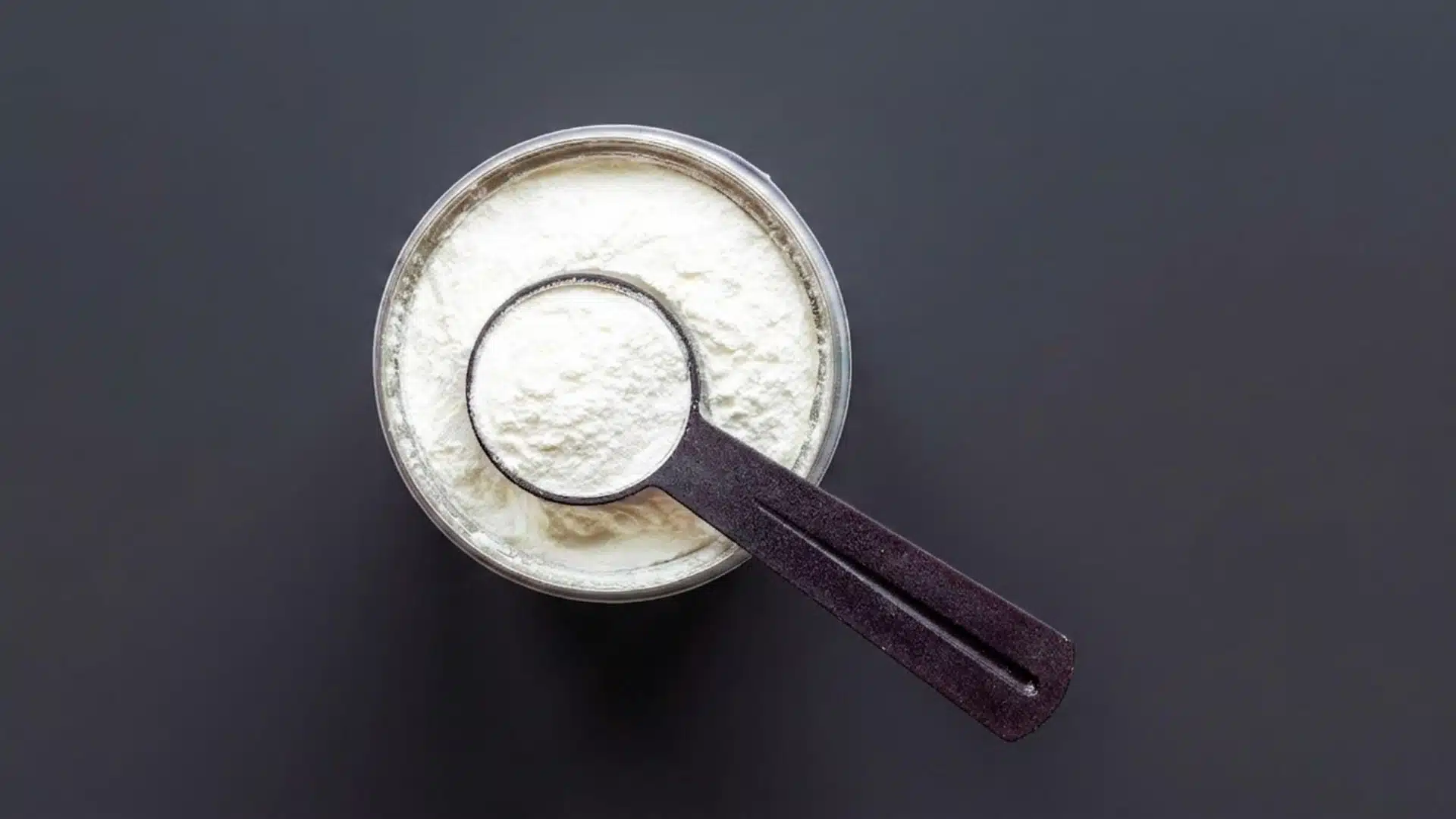
Creatine is a naturally occurring compound stored primarily in your muscles and brain, which the body uses to produce quick bursts of energy.
Your body makes it on its own, through amino acids processed by the liver, kidneys, and pancreas, and you also get small amounts from foods like red meat and fish.
Most people produce around 1 gram daily and consume roughly the same amount through their diet.
Fitness enthusiasts and athletes supplement with it to push past that natural ceiling, helping muscles recover faster and perform harder during high-intensity training.
It is not a steroid. It does not alter your hormones the way anabolic compounds do.
Creatine monohydrate, the most studied form, has decades of safety research behind it and remains one of the most well-documented supplements available.
Does Creatine Cause Acne?
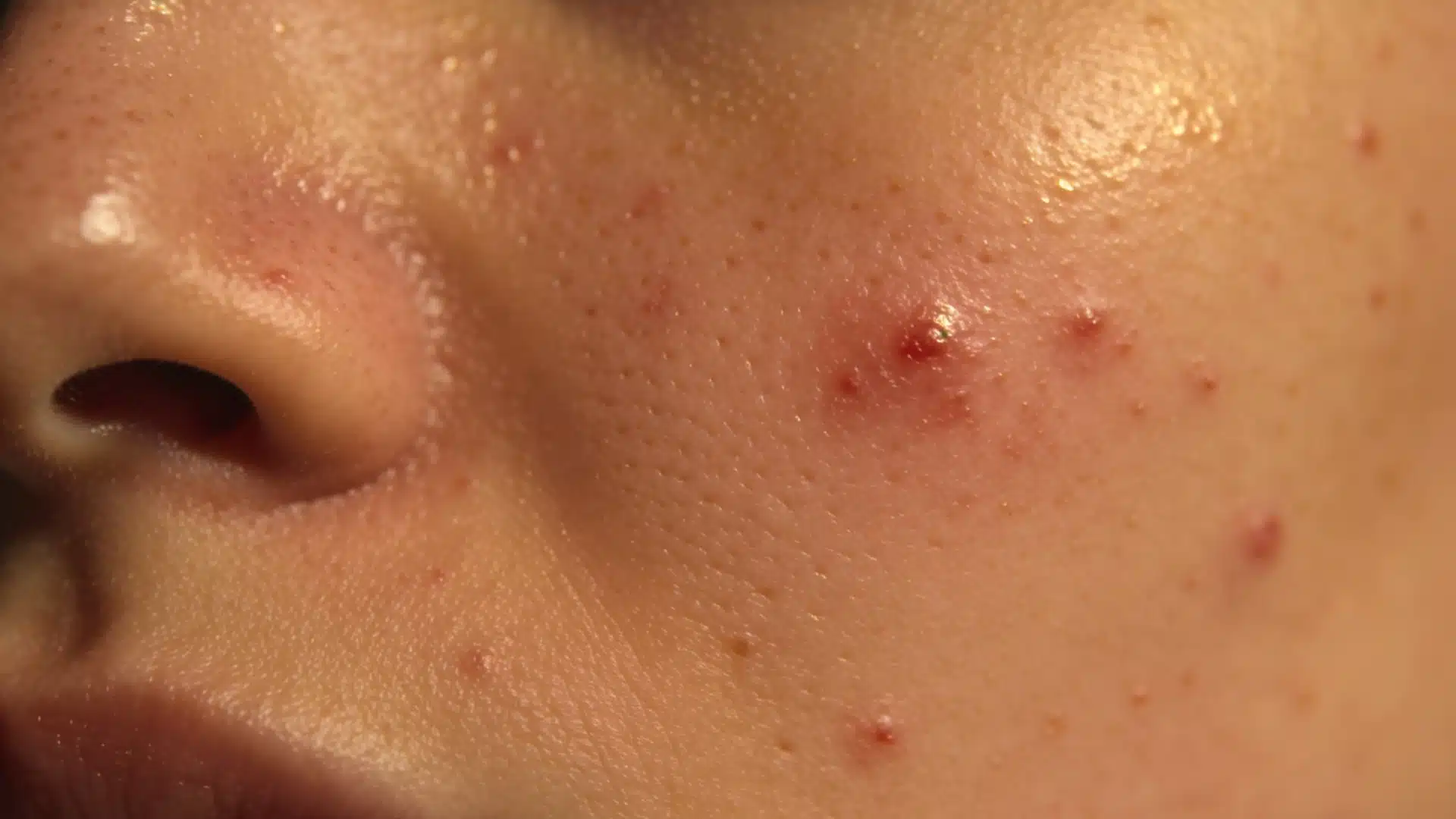
No, current research has not proven that creatine directly causes acne.
While some people report breakouts after starting creatine.
Even scientific studies have not established a clear cause-and-effect relationship between creatine supplementation and acne development.
The American Academy of Dermatology confirms that workout-related breakouts are driven by sweat, friction, and bacteria rather than supplements like creatine.
Other factors may be involved, such as sweat, diet, whey protein, hormones, stress, or poor skin care.
Because these factors often change at the same time someone begins taking creatine, it can be difficult to identify the true trigger.
What the Research Says About Creatine and DHT
The most cited piece of evidence in this debate is a 2009 study by van der Merwe and colleagues, published in the Clinical Journal of Sport Medicine.
Researchers studied 20 college rugby players who took creatine for three weeks.
They found that the ratio of DHT (dihydrotestosterone) to testosterone rose by roughly 56% during the loading phase and remained about 40% above baseline during the maintenance phase.
DHT is an androgen hormone linked to increased sebum (oil) production, which can contribute to clogged pores and acne.
That finding is responsible for most of the concern you see discussed online. But a closer look at the study matters.
Why the 2009 Study Does Not Prove Creatine Causes Acne?
- The study had just 20 participants and lasted only three weeks.
- Researchers measured hormone levels in blood, not actual acne breakouts or skin changes. Nobody in the study developed acne or reported skin problems.
- The hormone fluctuations observed were within normal clinical ranges, not the dramatic shifts seen with anabolic steroids.
- Subsequent larger reviews and trials have not consistently replicated the increase in DHT at standard maintenance doses (3–5 grams per day). A 2025 randomized trial found no significant difference in hormone levels or hair outcomes between creatine and placebo groups.
The link between creatine and acne remains theoretical. Even if creatine raises DHT, current evidence does not show that normal doses increase oil production enough to cause acne.
Disclaimer: If you have persistent acne or concerns about how supplements may affect your skin, consult a dermatologist or healthcare provider. They can help identify the underlying cause and recommend appropriate treatment based on your individual health needs.
Side Effects of Creatine
Creatine is one of the most researched supplements available, and for most people, it is well tolerated. That said, like any supplement, it can come with a few side effects worth knowing before you start.
- Water retention: Creatine pulls water into your muscle cells, which can cause bloating or mild puffiness, especially in the first week of use.
- Digestive discomfort: Some people experience stomach cramps, nausea, or loose stools, particularly with larger doses during the loading phase.
- Weight gain: The scale may go up slightly due to increased water in the muscles, not fat. This is temporary and settles as your body adjusts.
- Dehydration risk: Because creatine draws water into muscles, you may need to increase your daily fluid intake to stay properly hydrated.
- Headaches: Some users report mild headaches, often linked to insufficient water intake during supplementation.
- Skin-related changes: A small number of users report breakouts after starting creatine, though research points to indirect causes such as sweat, dietary shifts, or other supplements rather than creatine itself.
Disclaimer: This section is for informational purposes only and does not constitute medical advice. Consult a healthcare professional before starting any new supplement.
Who is Most Likely to Notice Skin Changes
Creatine does not affect everyone’s skin the same way. Some groups are more likely to notice changes after starting it.
- People already prone to acne. If your skin breaks out easily from dietary shifts or stress, adding any new supplement to a changed routine increases the chance of a flare-up, regardless of what the supplement is.
- People with hormonal sensitivity. Individuals who react strongly to even small hormonal fluctuations may be more sensitive to any potential indirect effects of creatine on DHT, though this remains theoretical.
- Those using a loading phase. The 2009 study used a loading dose of 25 grams per day, far above the standard 3–5 grams. High-dose loading is more likely to produce hormonal fluctuations than standard use. If you are acne-prone, skipping the loading phase is worth considering.
- People who mix multiple supplements. Taking creatine alongside whey protein, pre-workouts, or mass gainers adds variables. Identifying the true trigger becomes harder when everything changes at once.
How to Use Creatine the Right Way
Most skin and digestive issues people blame on creatine stem from one thing: not using it correctly. The good news is that a few simple adjustments can make a noticeable difference in how your body responds.
- Skip the loading phase and start with 3 to 5 grams daily.
- Mix with plain water, not sugary drinks or juice.
- Drink more water throughout the day than usual.
- Use creatine monohydrate alone, without blended additives.
- Take it at the same time daily for consistent absorption.
Getting the basics right first gives your body a fair chance to settle without unnecessary reactions.
Before blaming the supplement itself, it is worth auditing how you are actually taking it, what you are mixing it with, and whether your hydration is keeping pace with your training load.
What Actually Causes Breakouts When You Take Creatine
When breakouts appear after starting creatine, the timing feels like an obvious clue.
But timing is not the same as cause.
Most people who begin taking creatine also make several other changes at the same time, and those changes are far more likely to be behind the breakouts.
Whey protein, commonly mixed with creatine, has been linked to elevated IGF-1 levels.
A hormone that increases oil production and clogs pores, much like the hormonal shifts behind acne cause and types.
High-glycemic bulking diets, protein bars, and sugary supplement drinks can spike insulin in ways that directly affect your skin.
Sweat, dirty gym gear, and new supplements can also trigger breakouts.
How to Get Rid of Creatine Acne
If you suspect creatine is contributing to your breakouts, the first step is to identify whether it is truly the cause. Below are some practical steps that may help reduce acne while continuing your fitness routine:
1. Review Your Supplement Routine
Review the ingredient list in your creatine supplement carefully.
Some products include added sugars, artificial flavorings, sweeteners, dyes, or other additives that may trigger skin problems in sensitive individuals.
If you suspect these ingredients are affecting your skin, consider switching to a pure, high-quality creatine monohydrate formula with minimal additives and unnecessary fillers for better tolerance.
2. Stay Hydrated
Creatine increases water retention within muscle cells, which makes maintaining proper hydration particularly important for overall wellness.
Drinking adequate amounts of water may support healthy skin function, improve circulation, and help the body regulate various processes efficiently.
Staying hydrated can also reduce dryness and promote a healthier appearance, making it a beneficial habit for active individuals.
3. Maintain a Consistent Skin Care Routine
A consistent skin care routine can play an important role in preventing breakouts and maintaining clear skin.
Wash your face regularly with a gentle cleanser, especially after exercise sessions when sweat and oil accumulate.
Removing dirt, bacteria, and excess oil helps keep pores clear and may reduce the likelihood of acne, irritation, and other common skin concerns.
4. Evaluate Your Diet
Many people increase their calorie and protein intake when using creatine, which can indirectly affect skin health.
Foods high in sugar, processed carbohydrates, certain dairy products, or excessive supplements may contribute to acne in some individuals.
Tracking meals, snacks, and beverages in a food journal can help identify patterns, pinpoint potential triggers, and support better dietary choices over time.
5. Manage Sweat and Workout Hygiene
To help reduce workout-related acne, shower as soon as possible after exercising to remove sweat, oil, and bacteria from your skin.
Always wear clean workout clothes and wash them regularly. Avoid touching your face during workouts, as this can transfer dirt and germs.
Using non-comedogenic skincare products can also support clearer skin.
If breakouts persist, a professional acne facial treatment can help clear congested pores more effectively.
Should You Stop Taking Creatine If You Have Acne?
Whether you should stop taking creatine depends on your individual situation and how your skin responds.
If you have mild acne, it is usually best to improve your skincare routine, review your diet, and address other possible triggers before discontinuing creatine.
If acne starts after creatine, pause it briefly and watch your skin.
For severe, painful, or cystic acne, consulting a dermatologist is the best course of action. They can identify underlying causes and recommend effective treatment options.
Keep in mind that creatine monohydrate remains the most researched and widely studied form of creatine available.
Conclusion
Creatine has not been scientifically proven to cause acne, and current research does not show a direct link between creatine supplementation and breakouts.
However, some people may notice acne while using creatine due to other factors commonly associated with fitness routines.
Increased sweating and hormonal fluctuations from intense training can contribute to clogged pores and breakouts.
Sweat, training hormones, diet changes, whey protein, and stress can clog pores. Poor or inconsistent skin care may also lead to blemishes.
If you experience acne after starting creatine, consider tracking your supplements, diet, exercise habits, and skin care routine to identify possible triggers.
Maintaining good hygiene and making gradual adjustments can help.
Have you noticed any changes in your skin while taking creatine? Share your experience in the comments below.
Frequently Asked Questions
Can Creatine Cause Acne on the Back or Chest?
Back and chest acne during fitness routines is usually triggered by sweat trapped on the skin, tight workout clothing, and whey protein intake, rather than by creatine itself. Showering promptly after training and wearing breathable fabrics helps significantly.
Does Creatine Affect Skin Differently in Women than Men?
Women may notice skin changes during supplementation due to hormonal fluctuations tied to their menstrual cycle rather than to creatine itself. Tracking breakout patterns alongside your cycle can help identify whether hormones or the supplement is the actual trigger.
Can I Take Creatine if I Am Already on Acne Medication?
Creatine does not interact directly with common topical acne treatments. However, if you are taking oral medications such as spironolactone or antibiotics, consulting your dermatologist before adding any new supplement to your routine is always the safest approach.