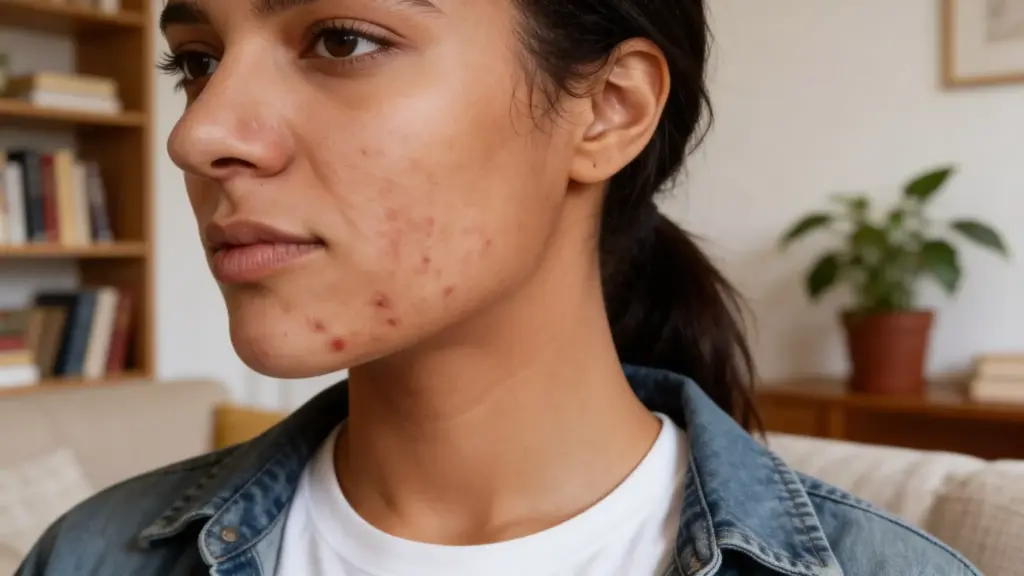
I remember the first time a deep, painful pimple showed up right on my chin.
It was not random. It came back every single month, almost like clockwork. I spent weeks trying different face washes and spot treatments. Nothing gave me lasting relief.
If you keep getting acne on your chin, your skin is telling you something important.
Chin acne is one of the most common concerns I see from clients in their 20s, 30s, and even 40s.
According to the American Academy of Dermatology, acne affects up to 50 million Americans each year, and over 50% of adult women experience hormonal breakouts specifically on the chin and jawline.
And chin breakouts, in particular, often point to hormonal changes happening inside the body.
In this blog, I share what chin acne really means, what triggers it, and practical steps to treat it. I also cover when it is time to stop guessing and see a dermatologist instead.
What Does Chin Acne Actually Mean?
The meaning of chin acne is simpler than most people think.
The chin and jawline sit in a hormonal zone, according to dermatologists. This area has a higher concentration of oil glands.
These glands respond directly to hormonal shifts, particularly androgens such as testosterone.
When androgen levels spike, the sebaceous glands produce excess sebum. That sebum mixes with dead skin cells and bacteria.
The result is clogged pores, inflammation, and those painful bumps that camp out on the chin for weeks.
As noted by the Cleveland Clinic’s dermatology team, chin and jawline acne tends to be deeper, bigger, and more inflamed than breakouts elsewhere on the face.
Types of Chin Acne: What You Are Actually Dealing With
Not all chin acne is the same, and identifying what you are dealing with changes how you treat it.
- Blackheads (open comedones): Small dark dots on the surface caused by sebum and dead cells oxidizing in an open pore. Usually mild, but can progress if left untreated.
- Whiteheads (closed comedones): Flesh-colored or white bumps trapped under the skin. Palpable but not always visible. Common in early hormonal flare-ups.
- Papules and pustules: Red, inflamed bumps with or without a white head. These are the classic “pimples.” They respond well to topical treatments when caught early.
- Cystic nodules: Deep, painful, and slow-healing. No visible head. The type is most closely associated with hormonal chin acne. These are the ones that leave marks and often require professional care.
If what you have on your chin looks like small bumps without a clear head and does not respond to standard acne treatments, it may not be acne at all.
Perioral dermatitis, a rash that appears around the mouth and chin, is frequently mistaken for acne. A dermatologist can tell the difference. Treating perioral dermatitis with acne products, especially steroids or heavy occlusives, can make it significantly worse
Common Causes of Chin Acne
Multiple factors contribute to chin breakouts. Most of them connect back to internal changes in the body. Knowing the cause is the first step toward clearing the skin.
1. Hormonal Fluctuations
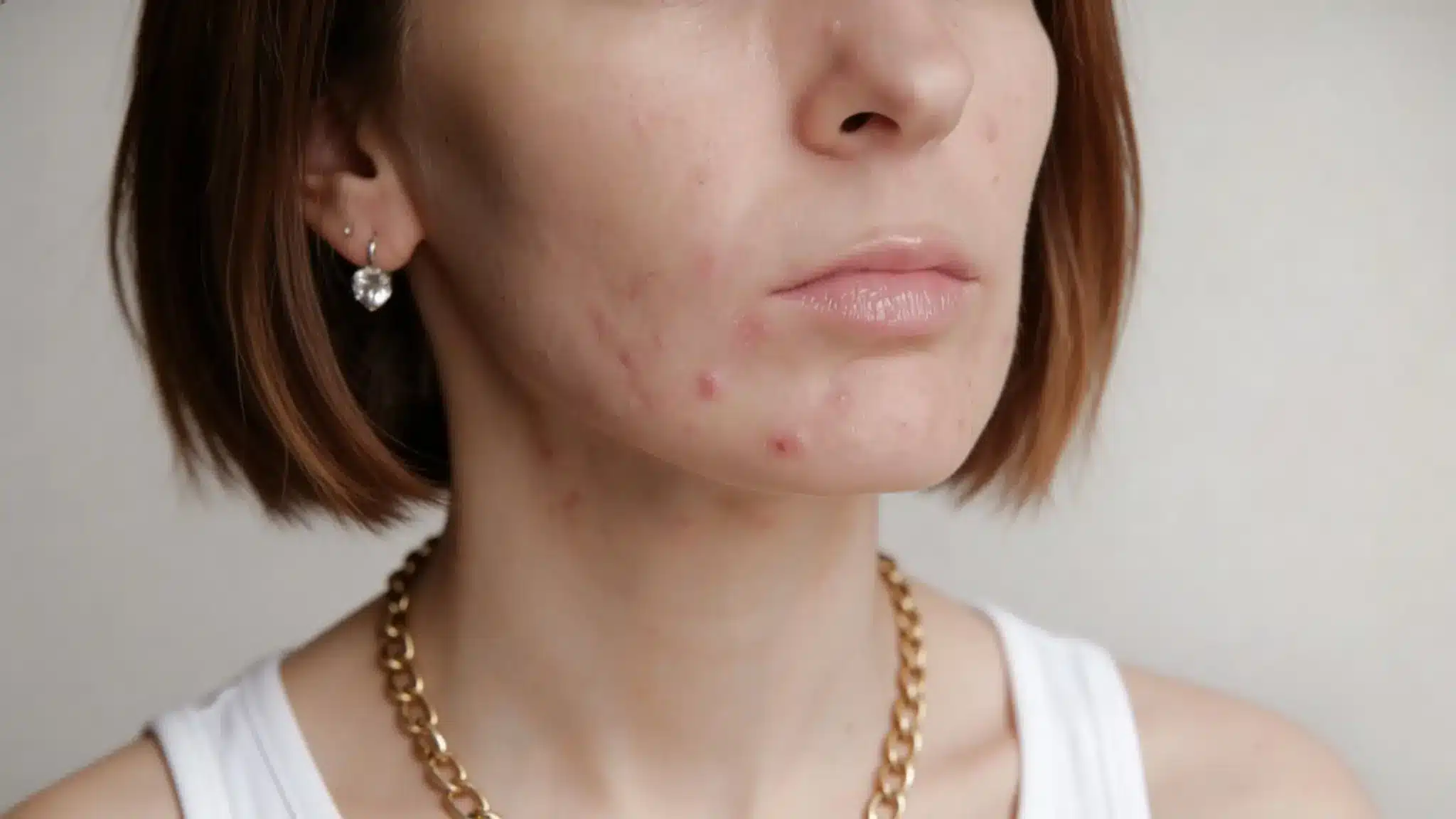
Hormones are the primary driver of chin acne. Women often notice flare-ups right before their period, during pregnancy, or after stopping birth control.
The menstrual cycle causes regular shifts in estrogen and progesterone, which can spike oil production in the lower face.
Men deal with this, too. Testosterone changes during puberty or from certain medications trigger similar jawline breakouts.
Polycystic ovary syndrome (PCOS) is closely tied to persistent chin acne.
According to a study published in the National Library of Medicine, PCOS accounts for over 90% of hyperandrogenism cases in women.
Irregular periods, thinning hair, and stubborn chin breakouts appearing together may signal this condition.
2. Stress and Cortisol
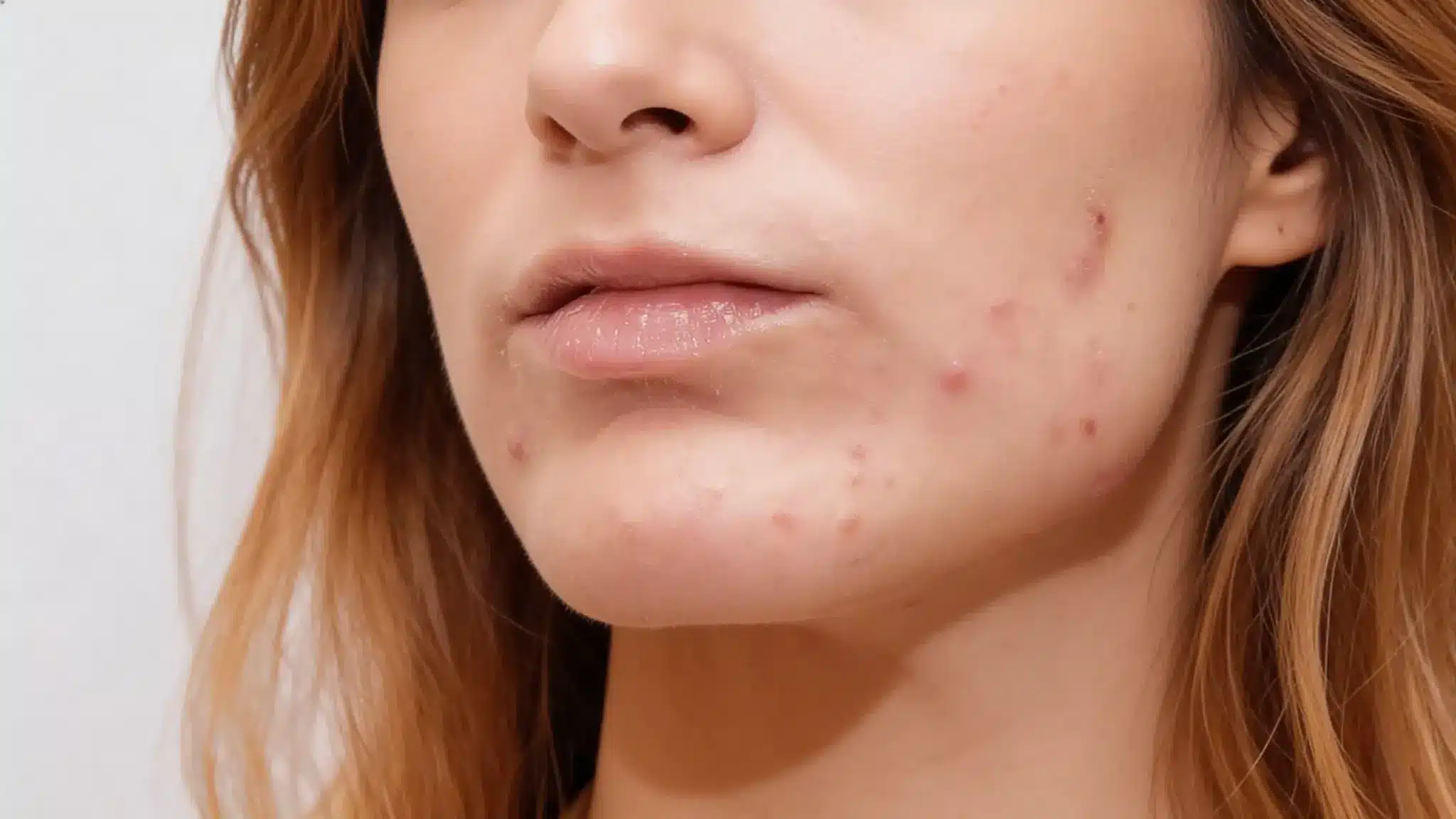
Stress does not directly cause acne. It does, however, make existing breakouts worse.
When stress hits, the body releases cortisol. This hormone ramps up oil production and fuels inflammation in the skin.
A high-stress lifestyle paired with poor sleep creates an ideal environment for recurring chin acne.
Regular movement, proper rest, and daily mindfulness practices help lower cortisol and reduce flare-ups over time.
3. Diet and Blood Sugar
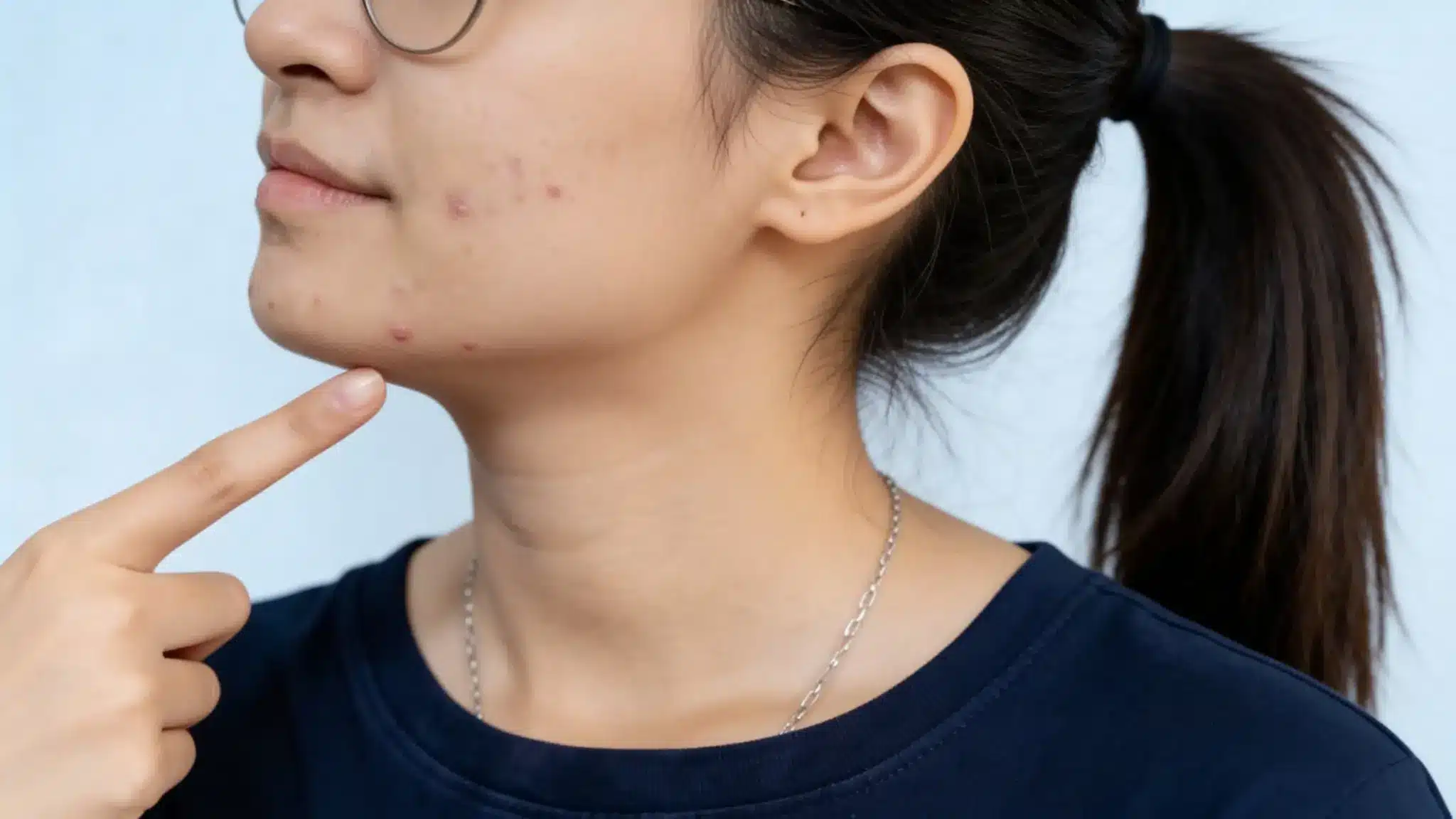
The connection between food and acne is supported by research.
High-glycemic foods like white bread, sugary drinks, and processed snacks cause insulin spikes. Those spikes push the body to produce more androgens, which increase sebum output.
Dairy is another common trigger.
Some research suggests that skim milk, in particular, may influence both testosterone and estrogen levels. Keeping a food diary and tracking breakouts helps pinpoint personal triggers.
4. Everyday Habits that Contribute
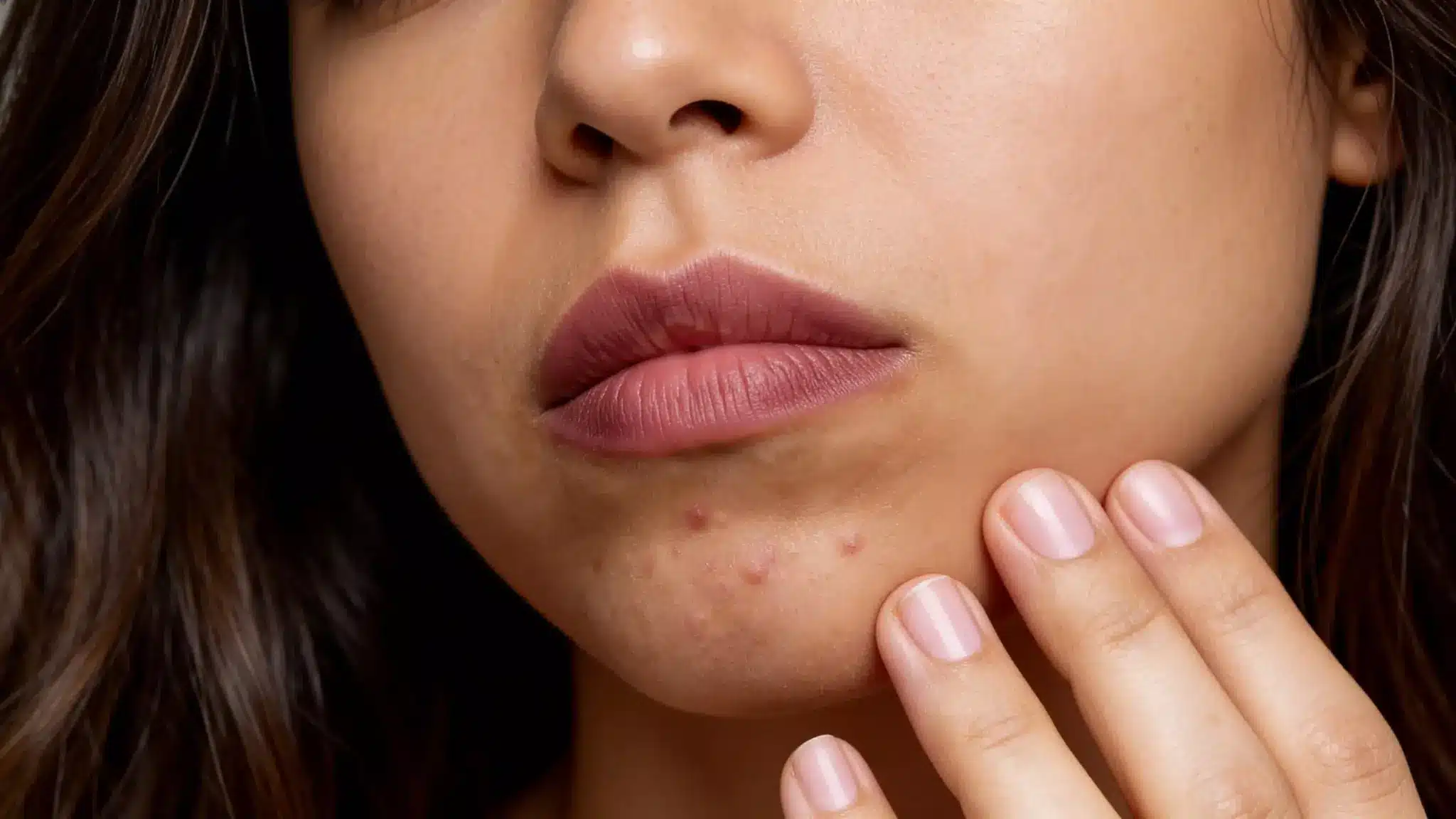
Some of the biggest chin acne triggers hide in plain sight.
Resting the chin on the hands transfers bacteria to the skin. Dirty phone screens pressed against the jaw spread germs into pores.
Tight face masks trap sweat and oil along the chin, a condition often called “maskne.” Heavy, pore-clogging lip balms or moisturizers also irritate this area.
Small habit changes, like wiping down the phone screen daily and switching to non-comedogenic products, can show results within weeks.
How to Identify Hormonal Chin Acne
Certain signs can help identify whether chin acne may be linked to hormonal changes.
- Monthly breakouts: Breakouts that appear at the same time every month strongly suggest a hormonal link.
- Painful pimples: Deep, red, and painful pimples, rather than surface-level whiteheads, are another sign.
- Breakout location: Hormonal acne tends to concentrate along the jawline, chin, and lower cheeks, where androgen receptors are most sensitive.
- Hormonal changes: Changes in birth control, pregnancy, or menopause often trigger or worsen these breakouts.
- Medical research: According to the National Institutes of Health, hormonal acne is well-recognized in the lower third of the face.
- Professional diagnosis: A board-certified dermatologist can confirm the diagnosis with a clinical exam and blood work to check hormone levels.
Treating Chin Acne: What Actually Works
Clearing chin acne takes a layered approach. Topical products alone rarely solve the problem when hormones drive the breakouts. The best results come from combining smart skincare, lifestyle shifts, and professional support.
1. Build a Simple Skincare Routine
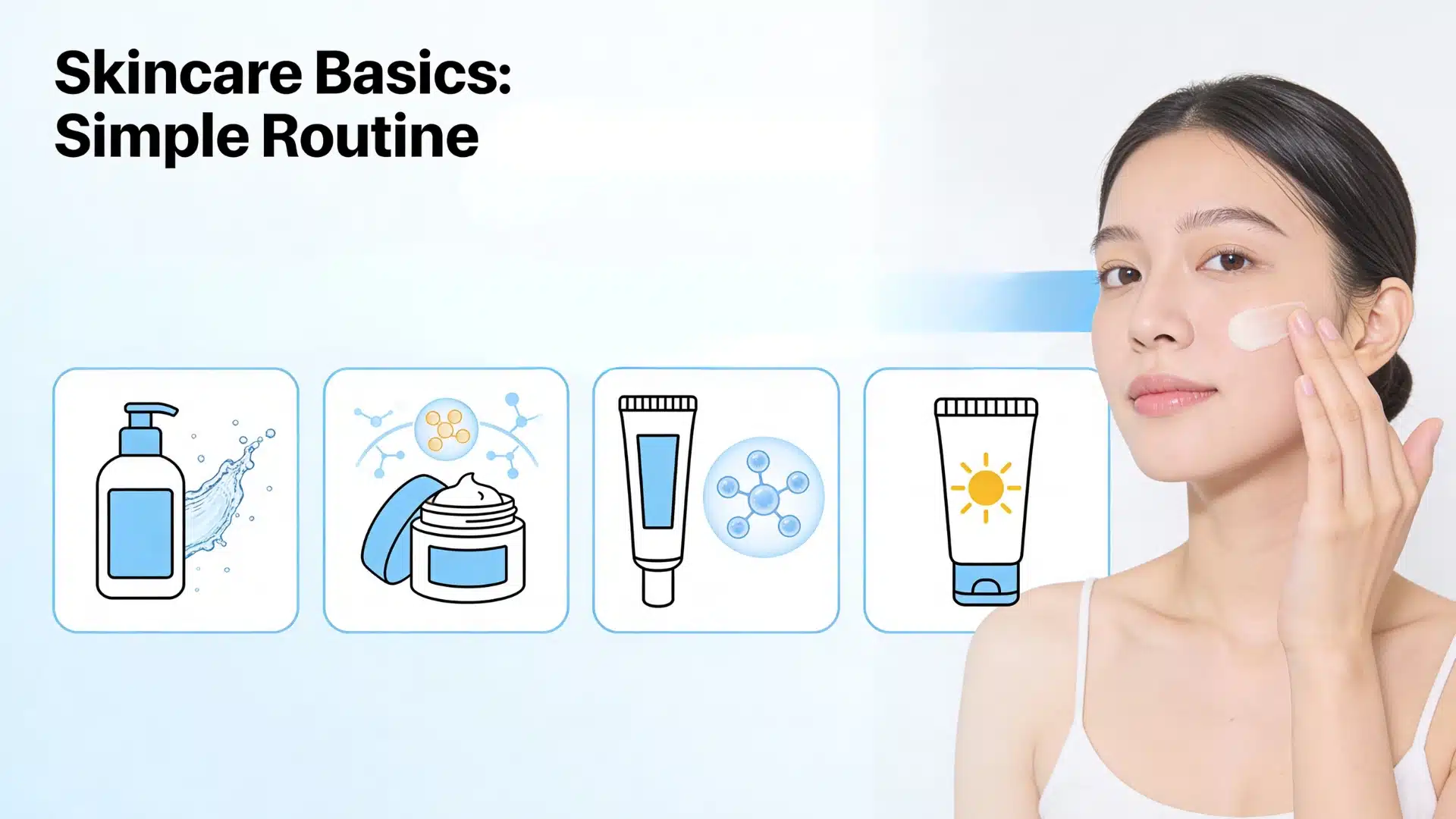
A complicated 10-step routine is not necessary. The basics do the heavy lifting.
Cleanser: Wash the face twice daily with a gentle, non-comedogenic formula. Look for salicylic acid (a BHA that clears pores) or benzoyl peroxide (which kills acne-causing bacteria). The American Academy of Dermatology recommends these as first-line topical ingredients.
Treatment: Apply a retinoid at night. Retinoids speed up cell turnover and stop pores from clogging. Start slow with 2 nights per week and gradually increase. According to the Mayo Clinic, retinoids remain a cornerstone of acne treatment.
Moisturizer: Even oily skin needs hydration. An oil-free, lightweight formula prevents the skin from overproducing sebum in response to dryness. If picking the right one feels confusing, this breakdown of non-comedogenic moisturizer options can help narrow the choices.
Sunscreen: Apply SPF 30 or higher every morning. Sun exposure darkens acne scars and slows healing, especially when using retinoids.
2. Adjust the Diet

A full dietary overhaul is not required. A few targeted shifts make a real difference.
Replace refined carbs with whole grains, fruits, and vegetables. Cut back on dairy if breakouts seem connected to milk or cheese.
Add omega-3-rich foods like salmon, walnuts, and flaxseeds to reduce inflammation. Stay hydrated with water throughout the day.
According to Rush University Medical Center, a balanced diet supports overall skin health and can reduce the severity of breakouts over time.
3. Manage Stress and Sleep

Managing stress and ensuring quality sleep are crucial for overall well-being and skin health.
Adults should aim for 7 to 9 hours of restful sleep each night, as it provides the skin with the time it needs to repair and rejuvenate.
Chronic sleep deprivation disrupts hormone balance and boosts cortisol production, leading to increased stress levels.
Incorporating regular exercise, practicing deep breathing techniques, and setting limits on screen time before bed are effective strategies for managing stress and improving sleep quality.
When to See a Dermatologist
Over-the-counter products can effectively treat mild chin acne. But deep, painful, or scarring breakouts call for professional help.
Prescription options include: topical retinoids (stronger than OTC versions) and oral antibiotics for moderate inflammatory acne.
Spironolactone (an anti-androgen medication for women), hormonal birth control that regulates androgen levels, and isotretinoin for severe cystic acne that resists other treatments.
According to the Cleveland Clinic, treatment typically takes 4 to 6 weeks before showing initial results. Patience and consistency matter more than constantly switching products.
For a less invasive professional option, learning about the benefits of an acne facial helps set the right expectations before booking a session.
Can Chin Acne Signal a Bigger Health Issue?
In some cases, it can. Persistent, severe chin acne that does not respond to treatment may point to an underlying condition.
PCOS is the most common link. Symptoms include irregular periods, excess body hair, weight gain, and stubborn acne along the chin and jawline.
Thyroid imbalances can also affect the skin.
Breakouts paired with fatigue, unexpected weight changes, or mood shifts are worth discussing with a doctor. A full hormone panel often reveals imbalances that standard acne treatment alone cannot address.
According to the Tufts Medicine network, adults over 30 who experience new or worsening acne should consider hormonal testing.
Treating the underlying condition often significantly improves the skin.
How to Deal with Post-Acne Marks and Scars
Post-acne marks and scars can take time to fade, but proper care and treatment can improve skin texture and tone.
- Post-acne marks and scars: Chin acne, especially the cystic type, often leaves dark spots and texture behind.
- Avoid picking pimples: The most important rule is to resist picking or squeezing. That pushes bacteria deeper, increasing the risk of permanent scarring.
- Niacinamide benefits: Products with niacinamide help fade discoloration left behind after acne breakouts.
- Vitamin C treatment: Vitamin C helps brighten uneven skin tone and improve the appearance of post-acne marks.
- AHAs for skin renewal: AHAs like glycolic or lactic acid speed up cell renewal and improve skin texture.
- Professional treatments: Chemical peels and laser therapy address deeper acne scars more effectively than topical products alone.
- Expert guidance: A licensed aesthetician or dermatologist can recommend the best option based on skin type and budget.
What Comes Next: Preventing Future Breakouts
Once the active chin acne clears, the goal shifts to prevention. A solid maintenance routine keeps breakouts from returning.
Continue using a gentle cleanser and retinoid even after the skin clears.
Retinoids work best as a long-term preventive measure, not just a short-term fix. Keep tracking the menstrual cycle to anticipate hormonal flare-ups.
Starting a salicylic acid treatment a few days before the expected breakout window can reduce the severity of the breakout.
Regular dermatologist check-ins, especially for hormonal acne, help adjust the plan as the body changes. Skin needs shift with age, stress levels, and life stages like pregnancy or menopause.
The clients who clear their chin acne and keep it clear are almost never the ones who found the perfect product.
They are the ones who got consistent about sleep, stopped touching their face, and stayed patient through the 6-to-8 week lag time before results show. I tell every client the same thing: the routine is not dramatic, and that is exactly why it works.
Conclusion
Chin acne sits right where the world can see it, and that makes it feel personal.
But it does not have to take over your confidence. The chin acne almost always traces back to hormonal shifts, stress, or daily habits.
Once the cause is clear, the right mix of skincare, diet, and professional support changes everything. I have seen it happen with my own clients more times than I can count.
If anything in this post hit home for you, drop a comment below and share your experience.
What worked? What flopped? Your story might be the thing that helps someone else take their next step.
Frequently Asked Questions
How Long Does It Take to Clear Chin Acne?
With the right treatment plan, most people see improvement in 4 to 6 weeks. Severe or hormonal acne may take 3 to 4 months of consistent care. Sticking with a routine matters more than jumping between products.
Can Men Get Hormonal Chin Acne?
Yes. Men experience testosterone fluctuations that trigger breakouts on the jawline and chin. Shaving irritation can make the problem worse. A sharp razor and proper shaving cream reduce friction-related flare-ups.
Should Chin Pimples Be Popped?
No. Squeezing deep chin pimples forces bacteria further into the skin. This leads to more inflammation, longer healing, and a higher risk of scarring. A warm compress or targeted spot treatment works better and is safer.
Is Chin Acne the Same as Jawline Acne?
They overlap in cause and appearance but are not identical. Chin acne tends to be concentrated directly on and around the chin point, while jawline acne spreads along the lower jaw toward the ears. Both are hormone-sensitive zones, but jawline acne can also be triggered by face mask friction or chin-strap pressure.