Shopping for dresses becomes much easier when you understand the different dress styles available.
While many designs may look similar at first glance, each silhouette is created with specific occasions, body shapes, and styling preferences in mind.
Learning the names and characteristics of common dress styles helps narrow down choices, build a more versatile wardrobe, and make shopping decisions with greater confidence.
Whether you’re looking for an everyday staple, a work-ready outfit, or something for special occasions, knowing the difference between dress types can help you find pieces that truly suit your lifestyle.
What Separates a Dress Type from a Dress Style
Not all dress names mean the same thing. Here is the difference between a dress type and a dress style, and why both matter when you shop.
| Dress Type | Dress Style | |
|---|---|---|
| What it is | The structure and shape the fabric creates on your body | A name based on construction, cultural reference, or occasion |
| Think of it as | The skeleton | The personality on top |
| Examples | A-line, sheath, mermaid, shift, bodycon | Shirtdress, sundress, wrap dress, sweater dress |
| How it shows up | In how the silhouette sits and moves on your frame | What the dress is called and where it comes from |
| Why it matters | Helps you understand why something fits or flatters the way it does | Helps you describe what you want and search for the right piece |
| Do they overlap? | Yes, a wrap dress is both a style name and a defined silhouette | Yes, many style names imply a specific structure automatically |
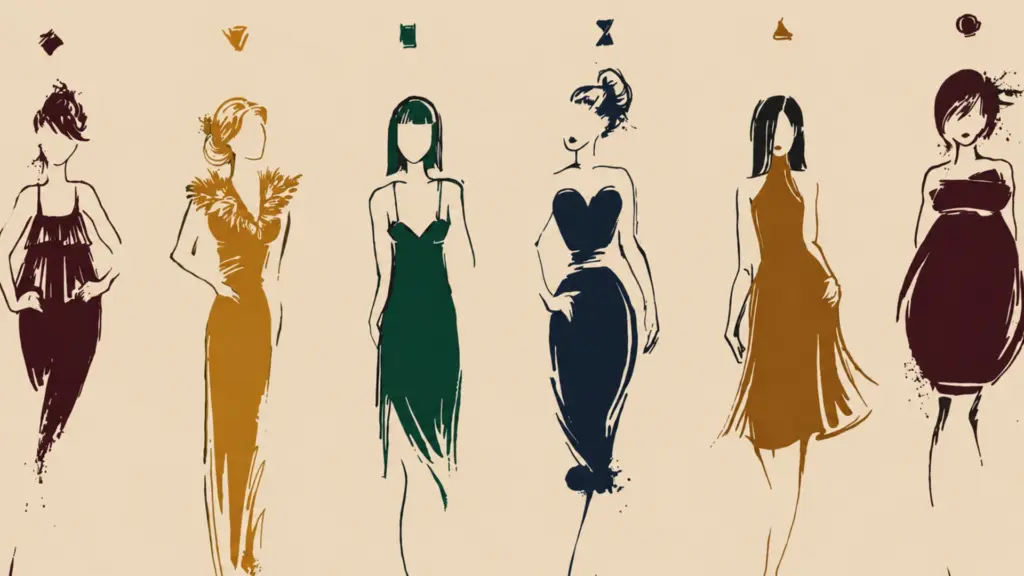
Most Common Dress Types by Silhouette
These are the shapes that show up in every wardrobe and every fitting room conversation:
1. A-Line Dress
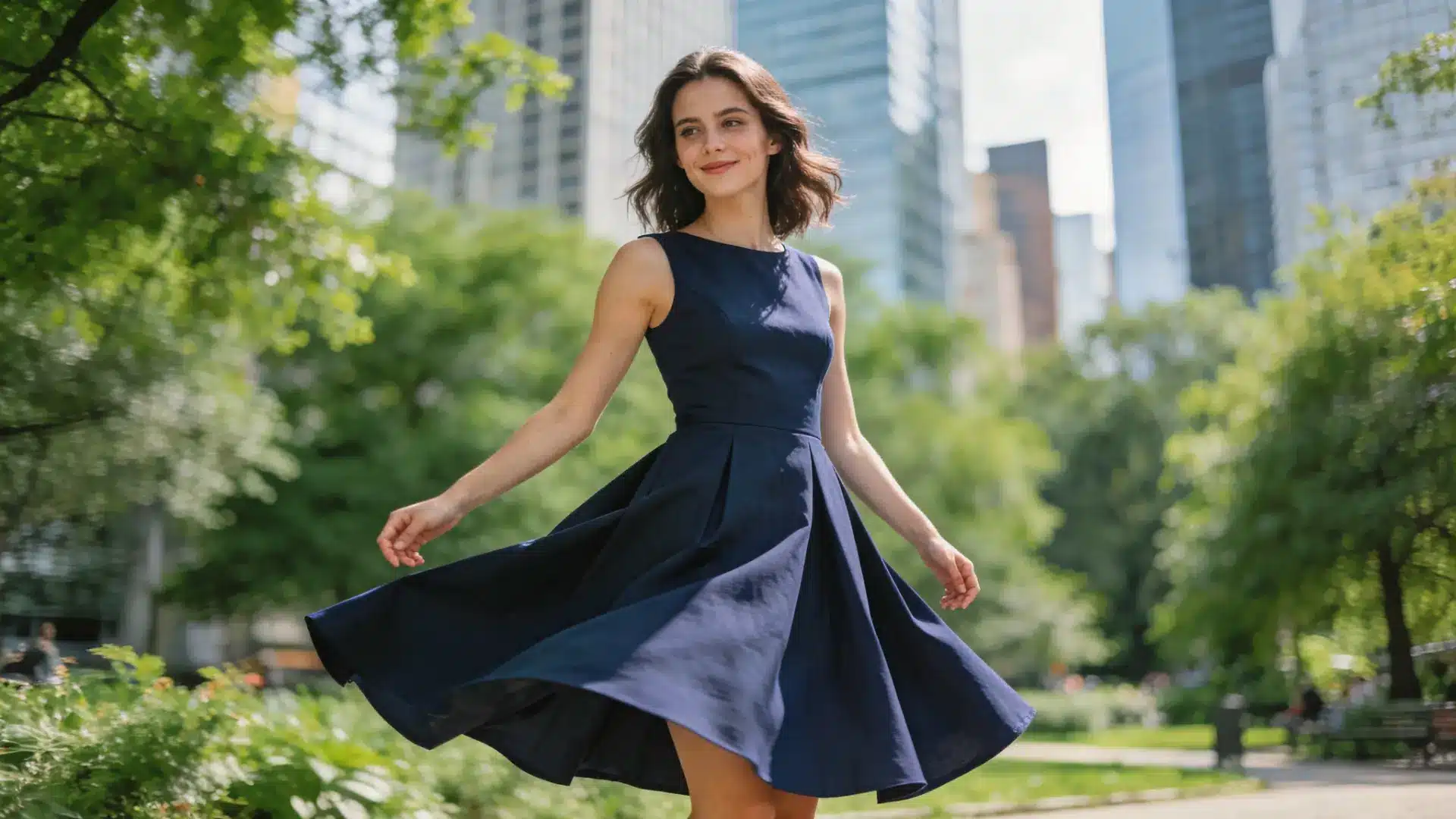
An A-line dress is fitted through the bodice and gently flares out from the waist, creating a silhouette that resembles the shape of the letter “A.”
This design balances the proportions of the body and flatters a wide range of body types.
Its versatile structure makes it suitable for both casual outings and semi-formal occasions.
Depending on the fabric and styling, it can easily transition from daytime wear to evening events.
2. Wrap Dress
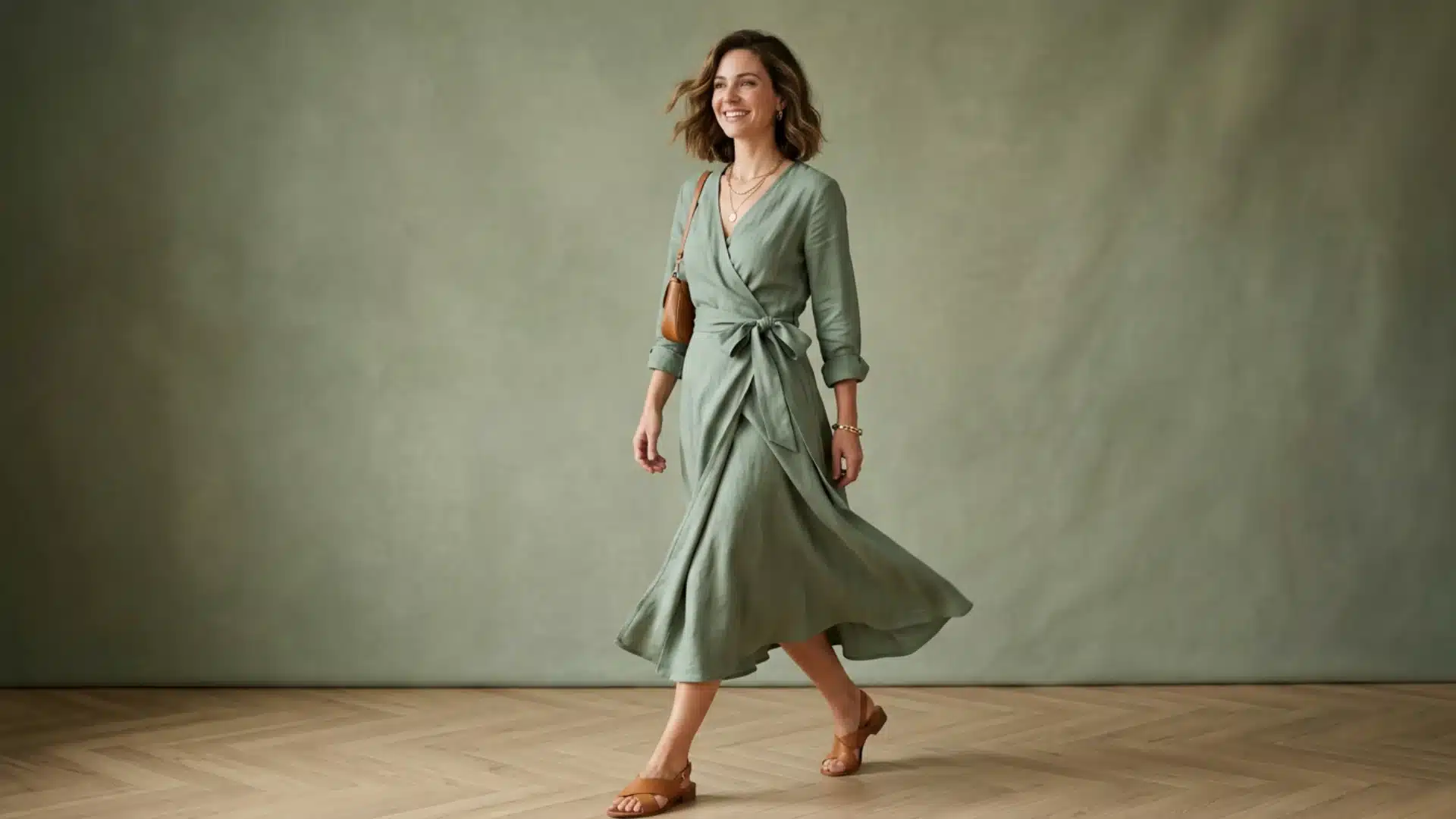
A wrap dress features a front closure created by crossing one side of the dress over the other and securing it at the waist with a tie or belt.
This design creates a flattering V-neckline that elongates the neck and enhances the overall silhouette.
The adjustable fit makes it comfortable and accommodating for various body shapes.
Its effortless elegance also makes it a popular choice for occasions like winery visits, brunches, and casual gatherings.
3. Shift Dress
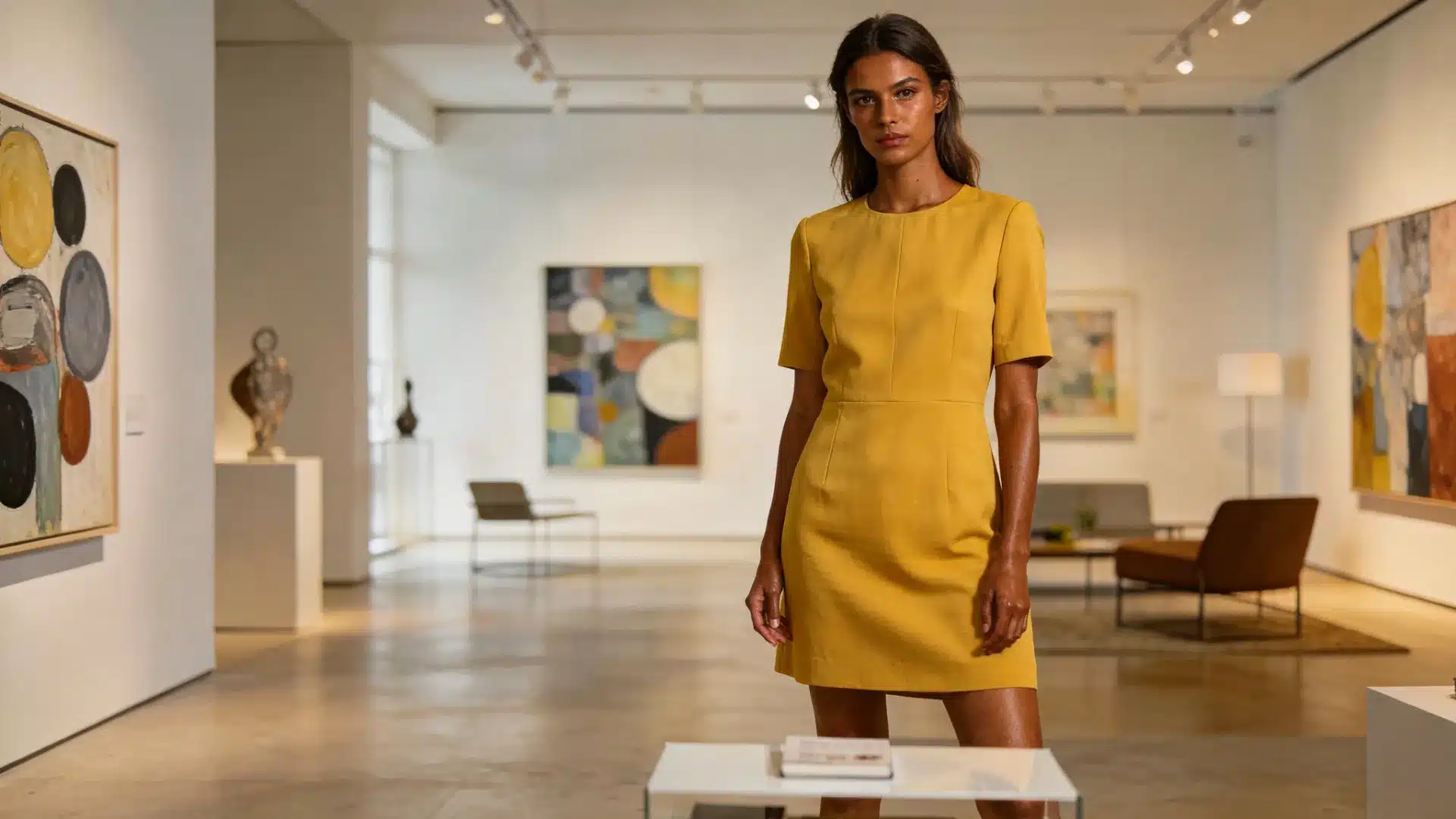
A shift dress is characterized by its straight, loose-fitting silhouette that falls from the shoulders without emphasizing the waist.
This relaxed structure provides exceptional comfort while maintaining a polished and sophisticated appearance.
It is a practical option for professional settings, everyday wear, and warm-weather dressing.
Simple yet stylish, the shift dress can be accessorized easily to suit different occasions.
4. Sheath Dress
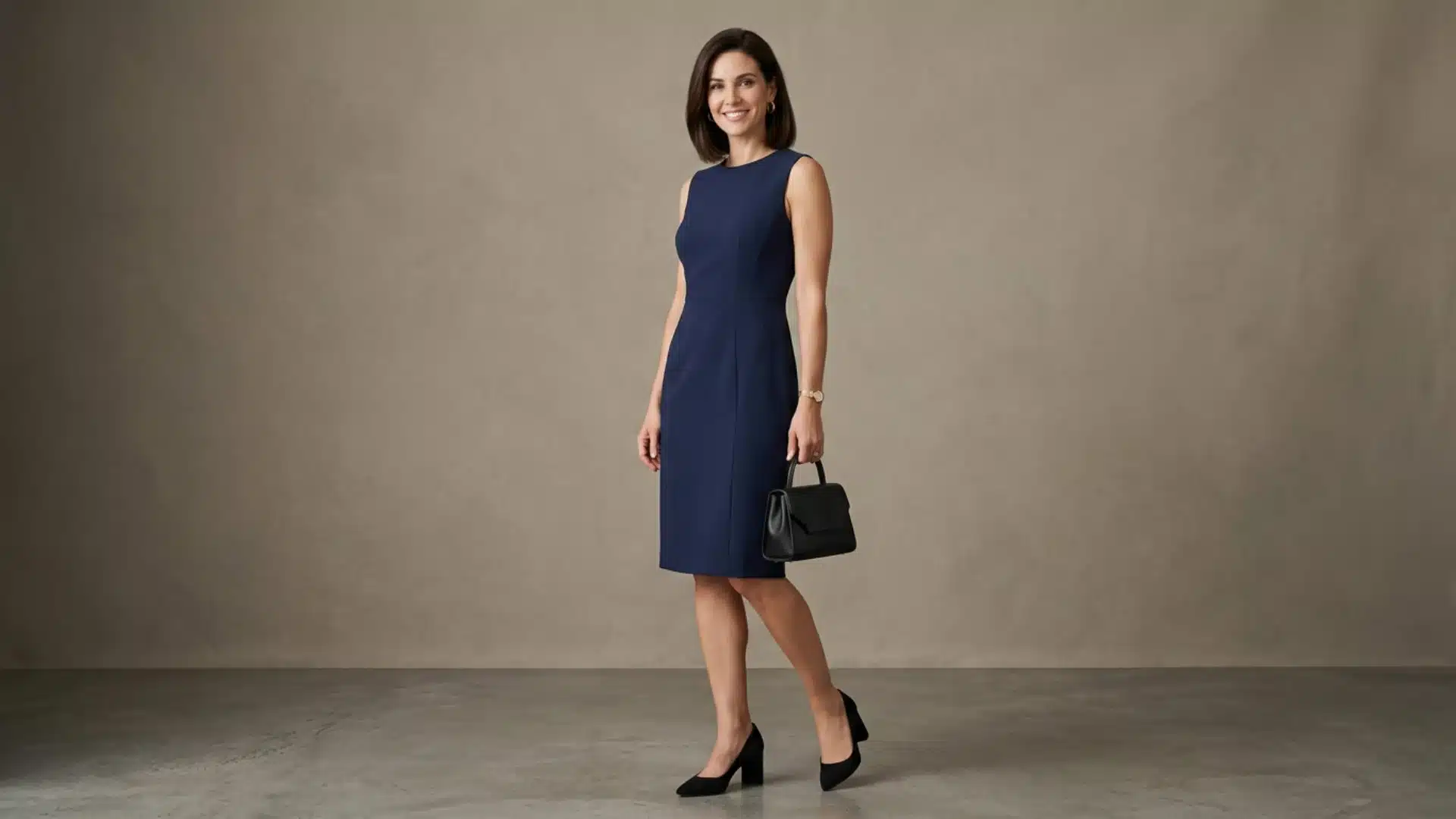
A sheath dress follows the body’s natural contours without being overly tight, offering a sleek, refined look.
It typically features a tailored shape that highlights the waist and creates a streamlined silhouette.
This style is particularly flattering for hourglass and athletic body types due to its clean lines and structured fit.
It also pairs effortlessly with blazers and jackets, making it a popular choice for office and business-casual wardrobes.
5. Bodycon Dress
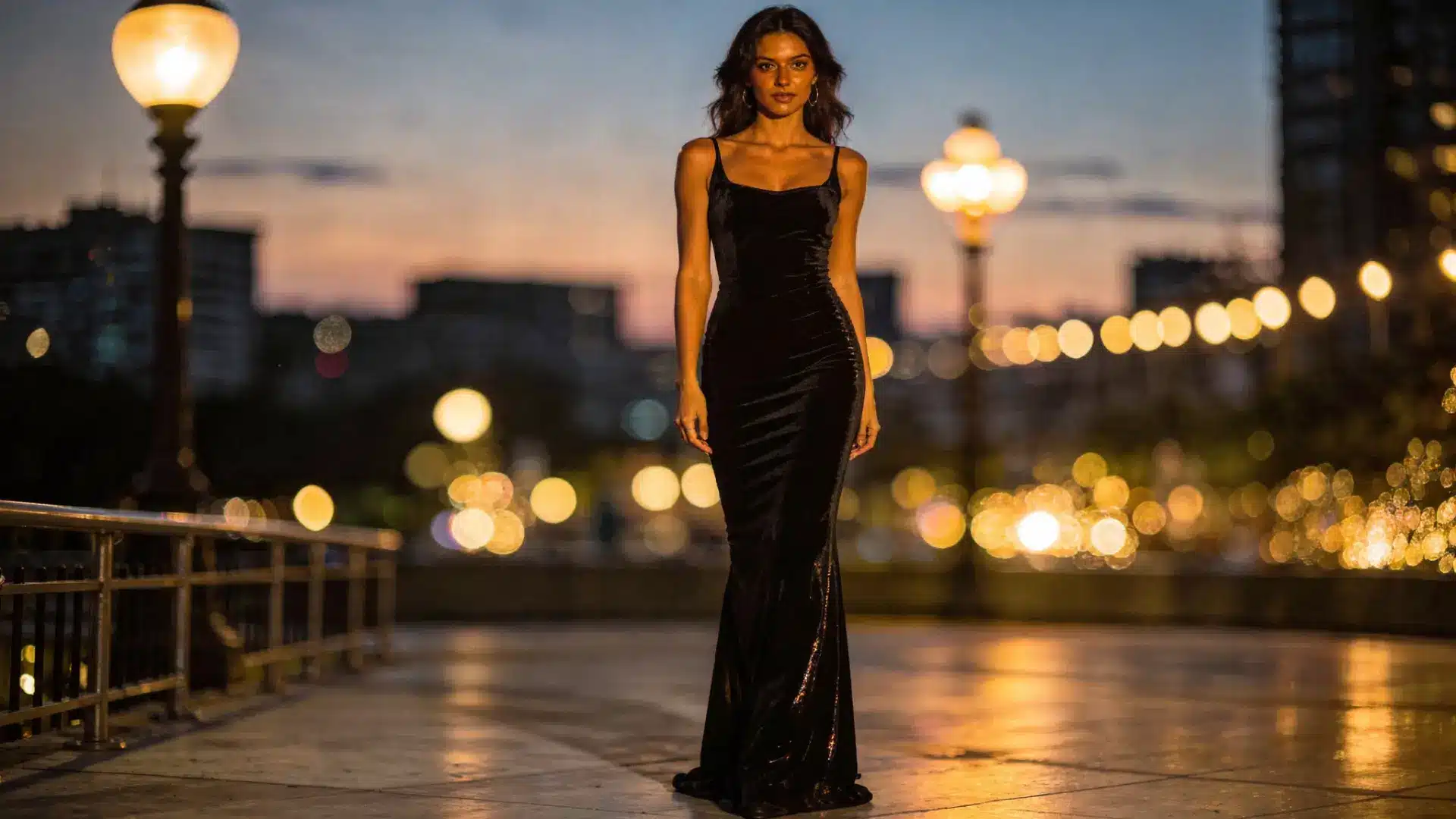
A bodycon dress is designed with stretchy, figure-hugging fabric that closely follows the body’s shape.
It accentuates curves and creates a bold, confident appearance that is often associated with evening wear and special occasions.
While stylish and eye-catching, it may offer less flexibility and comfort than looser silhouettes.
For this reason, bodycon dresses are typically best suited for social events rather than for days that require extensive movement.
6. Mermaid/Trumpet Dress
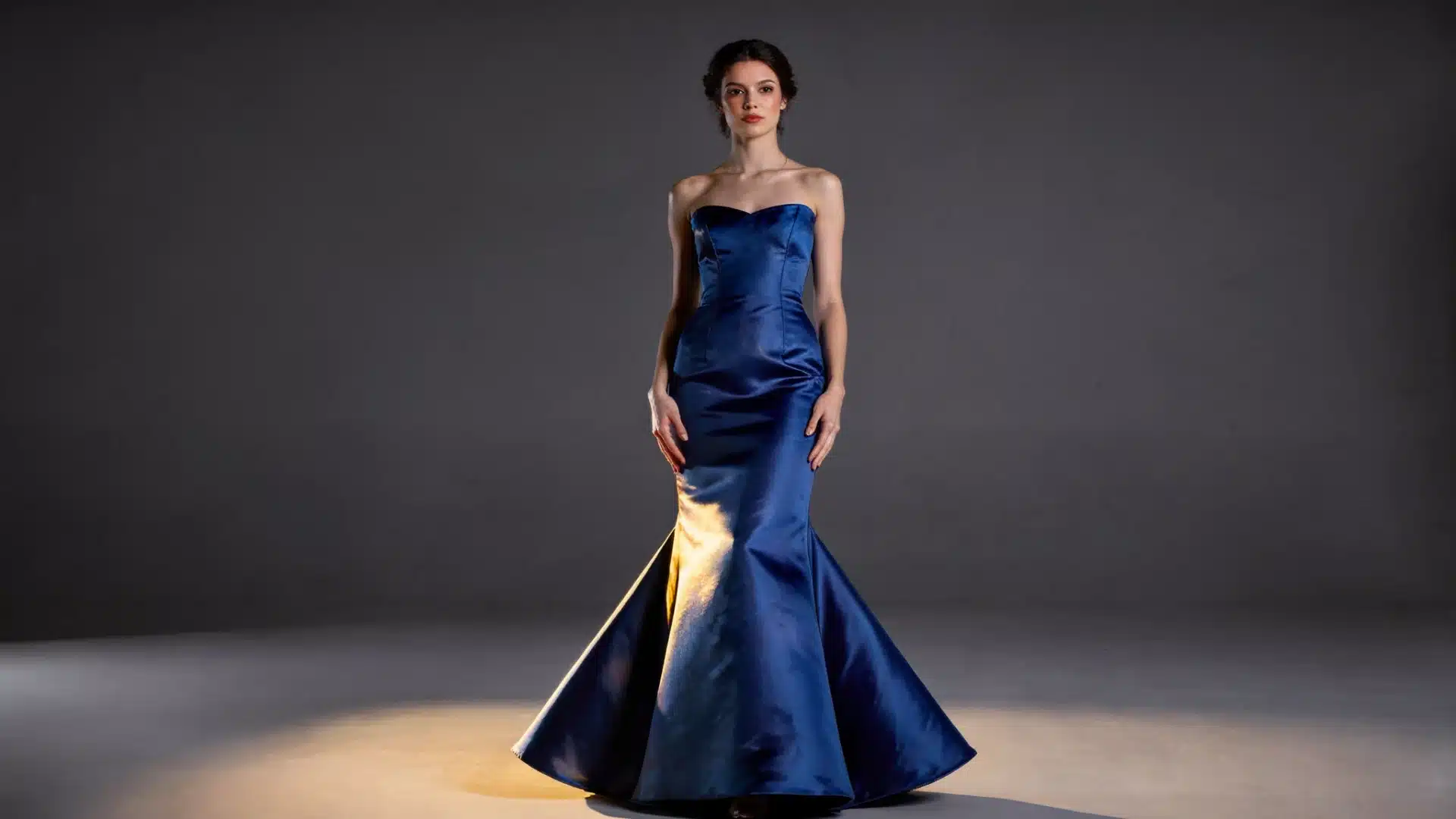
A mermaid or trumpet dress is fitted through the bodice, waist, and hips before flaring dramatically below the knee.
This silhouette creates a striking and elegant shape that highlights curves and adds visual drama.
It is commonly chosen for formal occasions such as weddings, galas, and black-tie events.
Individuals with more dramatic Kibbe body-type proportions often find this style particularly harmonious because it complements their natural lines and presence.
Dress Styles by Length
Dress length plays a major role in how an outfit is perceived, influencing its overall style, versatility, and proportions.
1. Mini (Above the Knee)
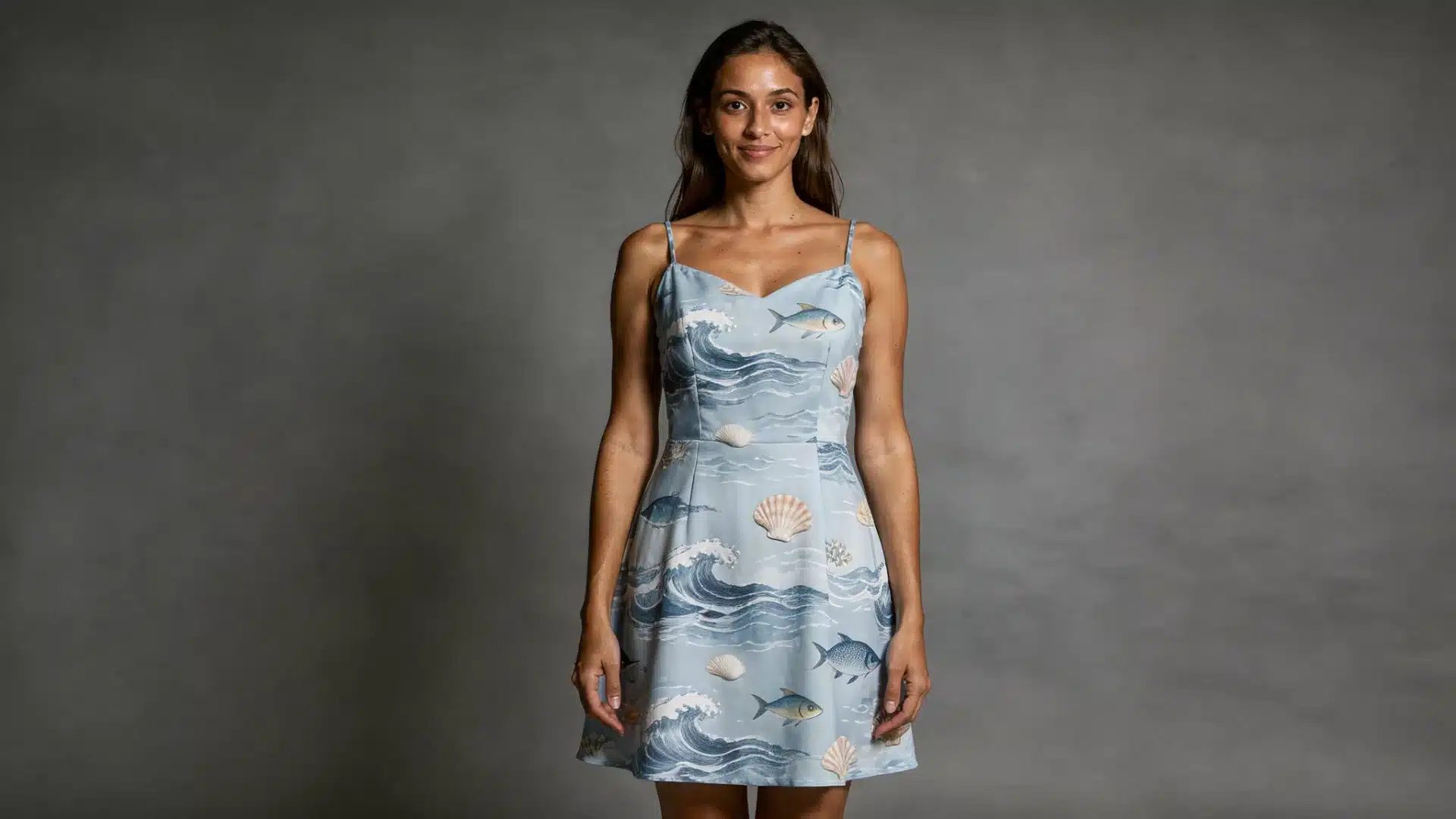
A mini dress or skirt falls above the knee, creating a youthful and energetic appearance. This length is perfect for casual outings, warm-weather events, and relaxed social gatherings.
It can also help elongate the legs and add a playful touch to an outfit.
2. Midi (Mid-Calf)
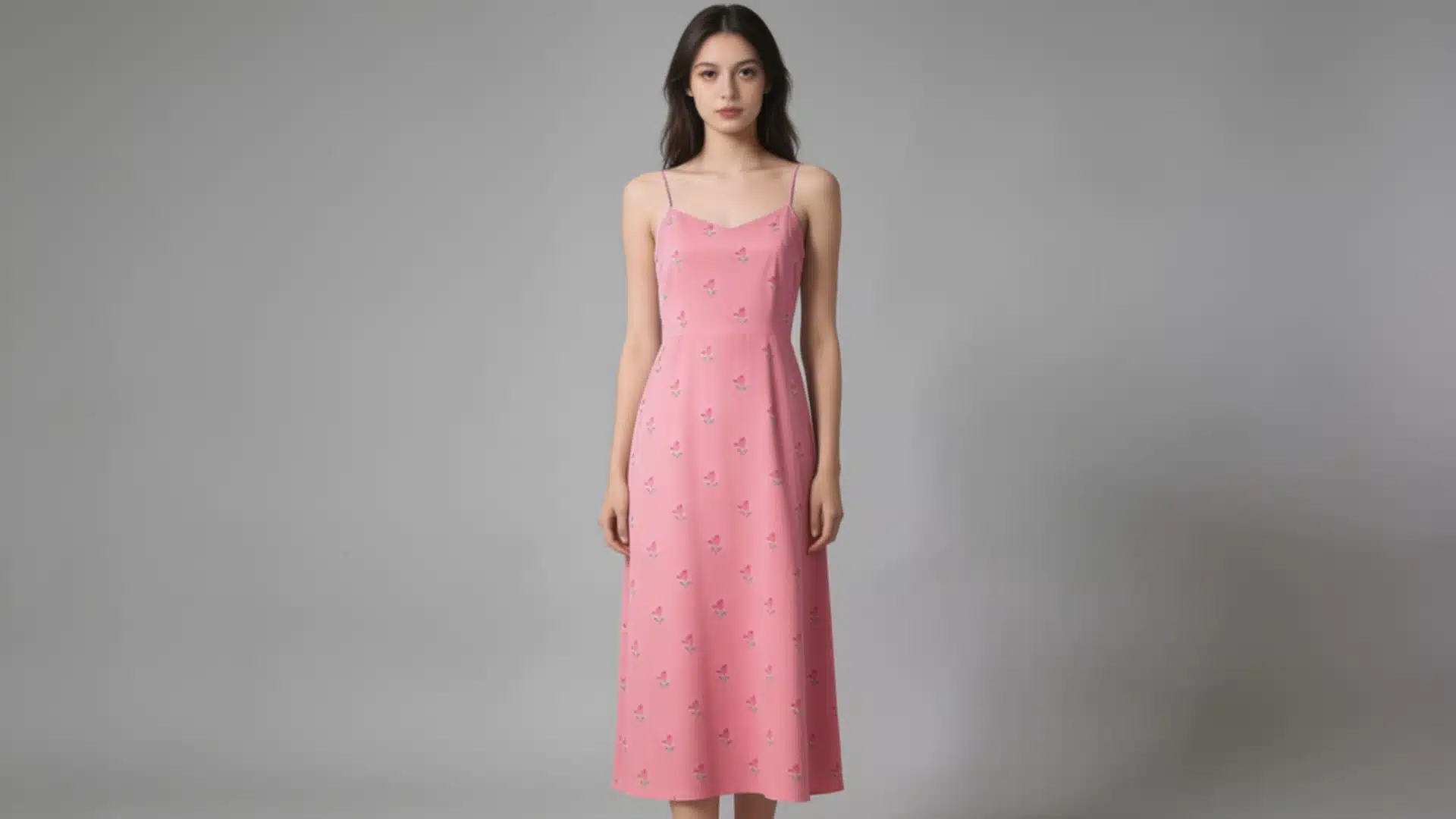
A midi dress or skirt typically ends between the knee and the ankle, often around mid-calf.
It is one of the most versatile lengths, suitable for both casual and formal occasions depending on the fabric and styling. Midi styles offer a balanced and sophisticated look while providing comfortable coverage.
3. Maxi (Floor-Length)
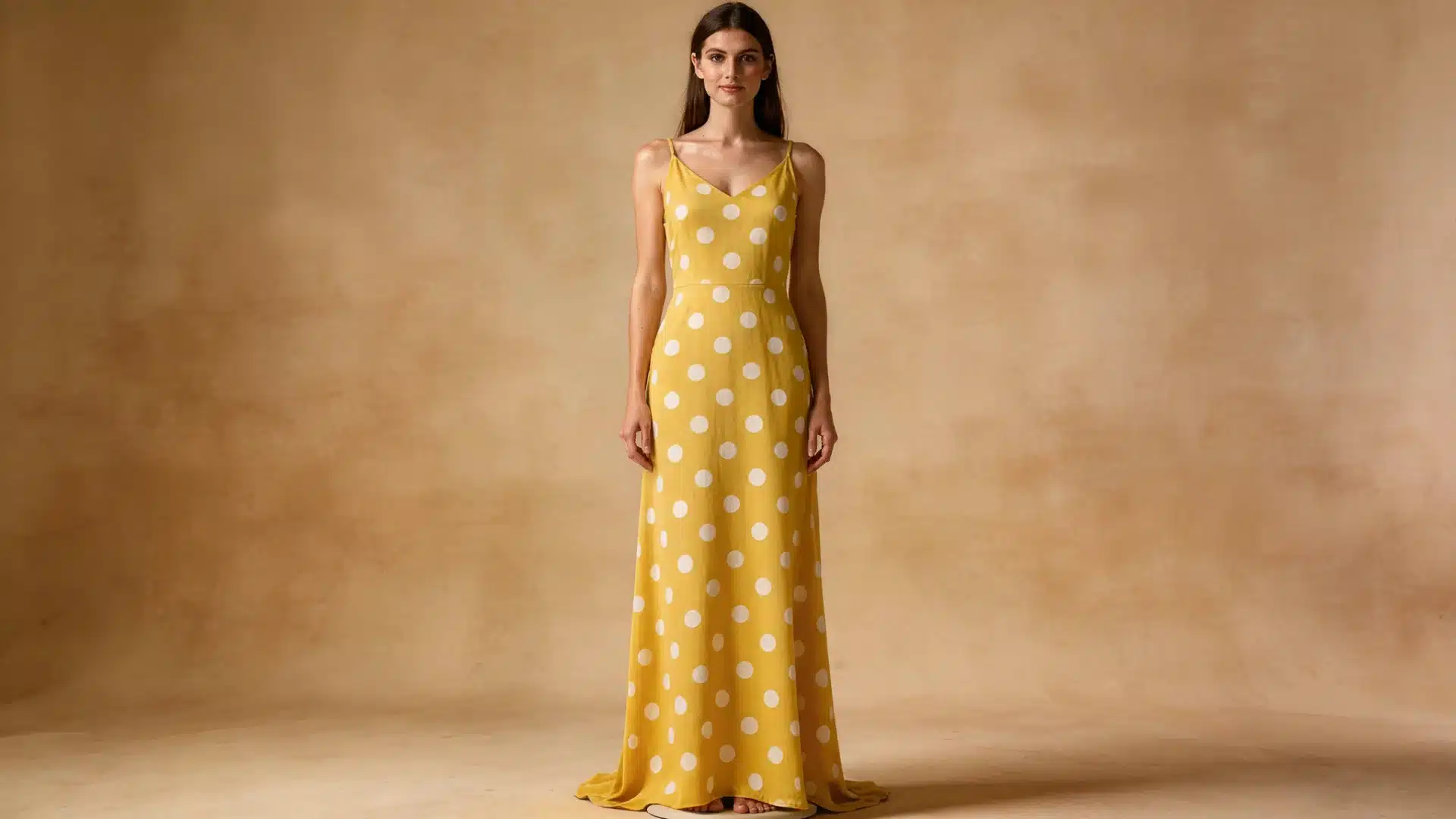
A maxi dress or skirt extends to the ankles or the floor, creating an elegant, flowing silhouette.
This length can appear formal when designed with luxurious fabrics and refined details, or relaxed when made from lightweight, casual materials.
Maxi styles are ideal for achieving a graceful look while maintaining comfort and ease of movement.
Everyday Dress Styles You’ll Actually Wear
These are the named dress styles that live in regular rotation rather than on special-occasion hangers:
1. Shirt Dress
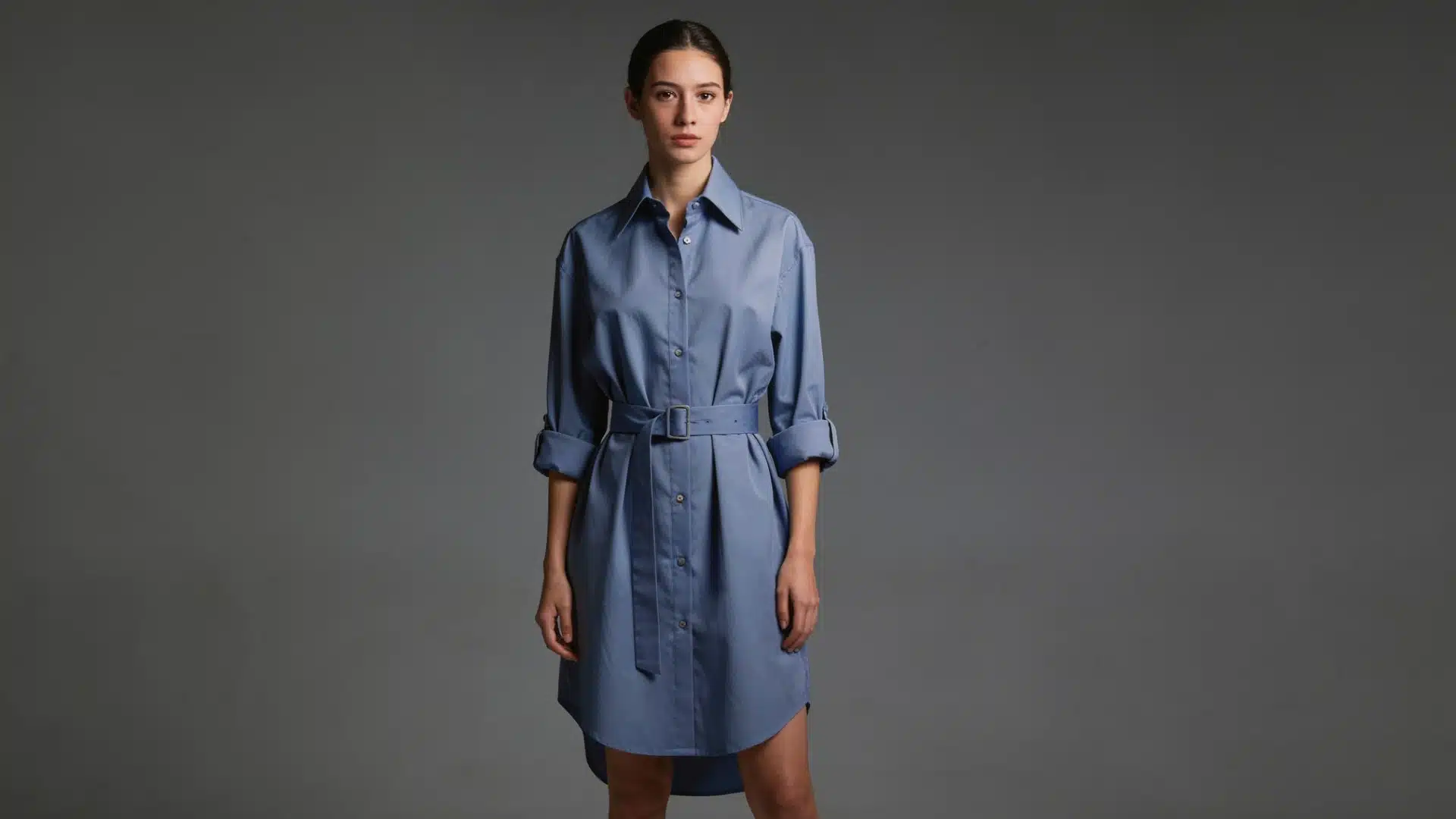
A shirt dress resembles an oversized button-down shirt, combining structure with effortless style. It can be worn loose for a relaxed look or cinched with a belt to create a more defined silhouette.
This versatile dress works equally well for office settings, casual outings, and weekend plans.
2. Sundress
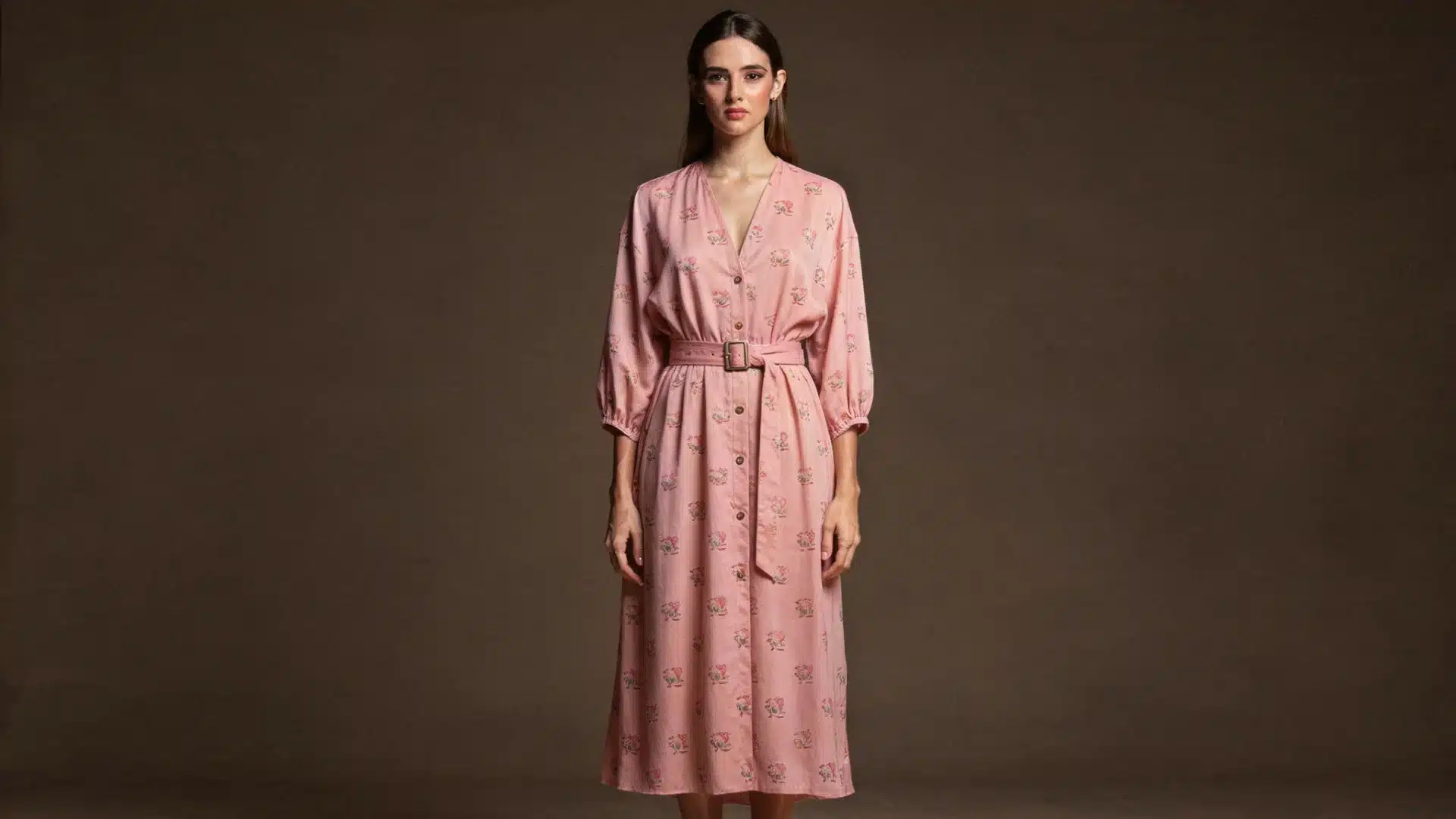
A sundress is a lightweight, breathable dress designed for warm-weather comfort. It is typically sleeveless and features a relaxed fit that allows for easy movement throughout the day.
Perfect for vacations, brunches, or casual summer outings, it offers a polished look with minimal effort.
3. T-Shirt Dress
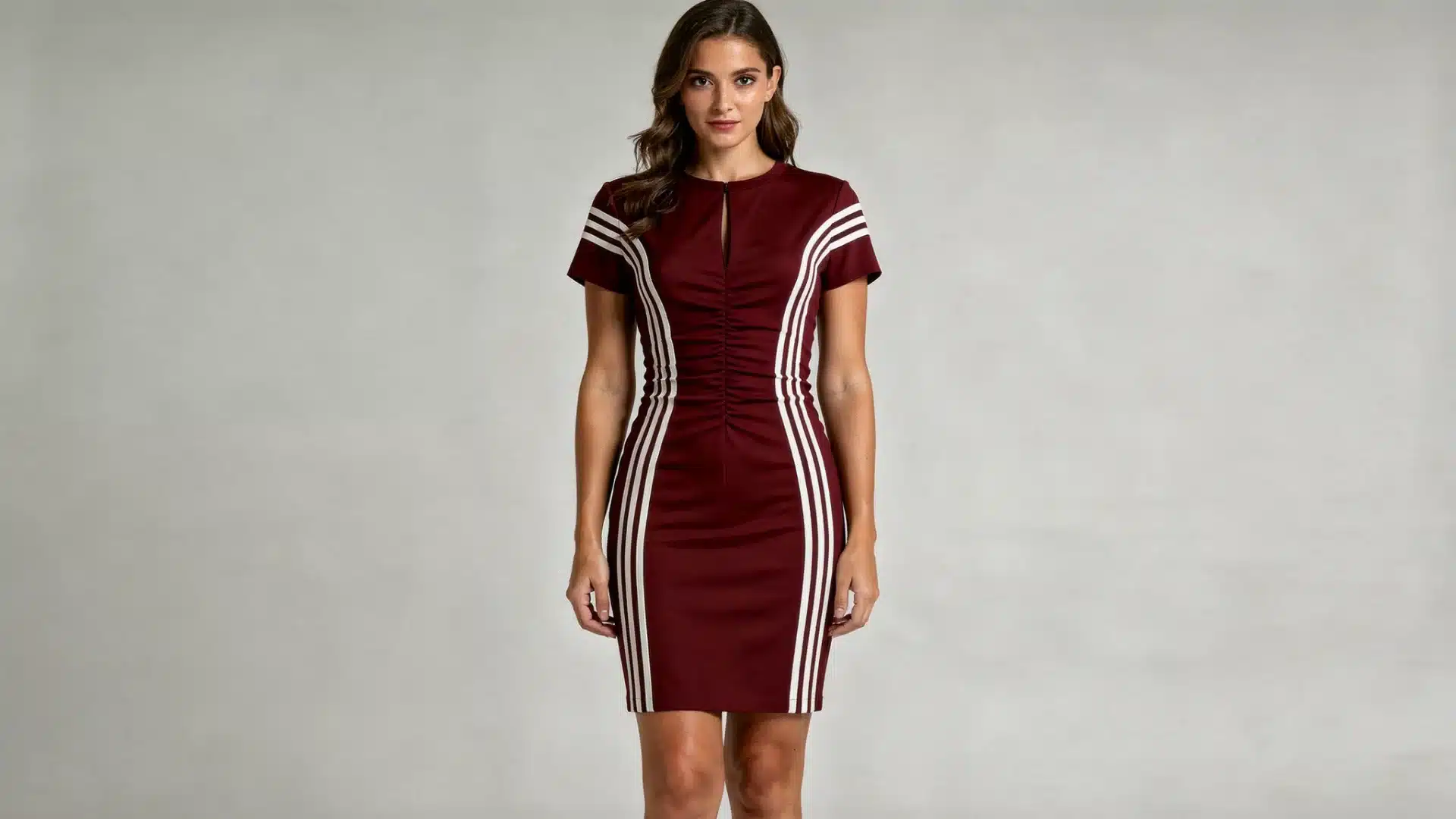
A T-shirt dress is made from soft jersey-knit fabric and delivers the comfort of an oversized T-shirt in dress form.
Usually cut in a simple silhouette and ending around mid-thigh or knee length, it is ideal for casual everyday wear. Its easygoing nature makes it a reliable choice when you want comfort without sacrificing style.
4. Sweater Dress
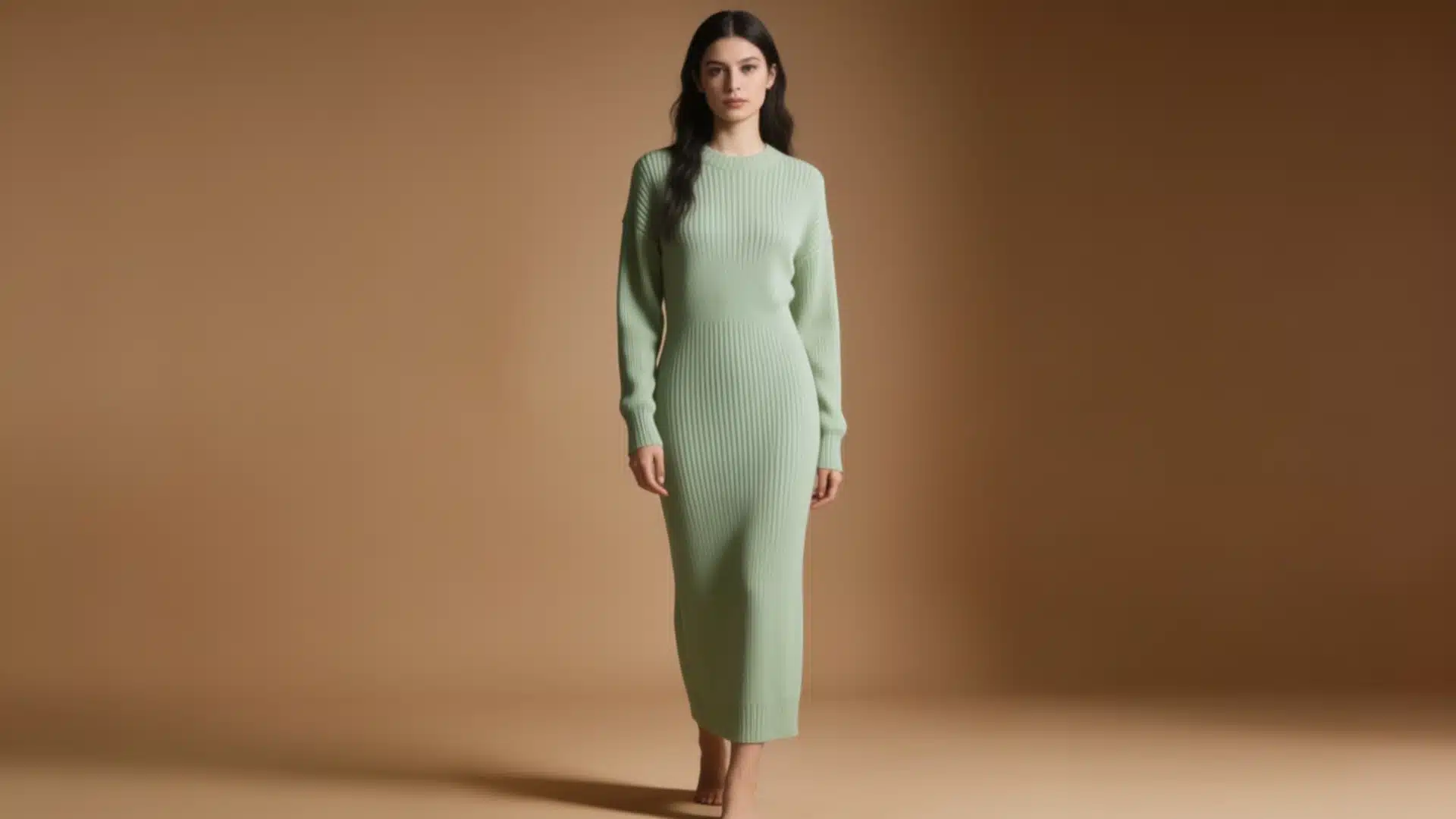
A sweater dress is crafted from knit fabric, providing warmth and comfort during cooler months.
It offers a cozy yet refined appearance, making it suitable for both casual and semi-formal occasions.
Paired with tights, boots, or a long coat, it creates a stylish outfit that can transition seamlessly from day to evening.
If you’re thinking about sustainable style choices when building your dress wardrobe, starting with versatile everyday styles in natural fabrics gives you more mileage per piece.
Dress Types for Occasions
Matching the dress to the context matters as much as how it fits:
| Occasion | Dress type to reach for |
|---|---|
| Work (office) | Shift, sheath, shirt dress |
| Casual day out | Sundress, T-shirt dress, wrap |
| Semi-formal event | A-line midi, wrap, bodycon |
| Formal or black-tie | Mermaid, ball gown, maxi |
| Date night | Slip dress, bodycon, wrap midi |
Understanding your body’s proportions changes which column you pull from.
The dressing for your body type guide covers that in detail if you want to go deeper.
Conclusion
Understanding different dress types isn’t about following rules; it’s about making shopping easier and more intentional.
Once you know the silhouettes, lengths, and details that suit your style, you can quickly identify what works for you and skip what doesn’t.
A stronger fashion vocabulary helps you shop with confidence, whether you’re browsing online or trying pieces on in-store.
Which of these dress types do you reach for most often? Share your favorite in the comments below; we’d love to know the style that makes you feel your best.
Frequently Asked Questions
What is the Difference Between an A-Line and a Fit-And-Flare Dress?
An A-line dress flares gently from the waist for a smooth silhouette, while a fit-and-flare dress features a more defined flare, creating a stronger contrast between the fitted bodice and the skirt.
What Dress Style is Appropriate for a Job Interview?
For most office interviews, a shift or sheath dress in a neutral color offers a polished, professional look. Add a blazer for more formal workplaces.
What is the Difference Between a Midi and a Maxi Dress?
A midi dress falls between the knee and ankle, while a maxi dress reaches the floor or near it. Midi styles are typically more versatile for everyday wear, while maxi dresses often feel more formal or resort-inspired.
Can a Sundress Be Worn to a Semi-Formal Event?
Whether a sundress is formal depends on the fabric and fit. Silk or chiffon styles with structured tailoring can work for semi-formal events, while relaxed cotton sundresses are typically casual.