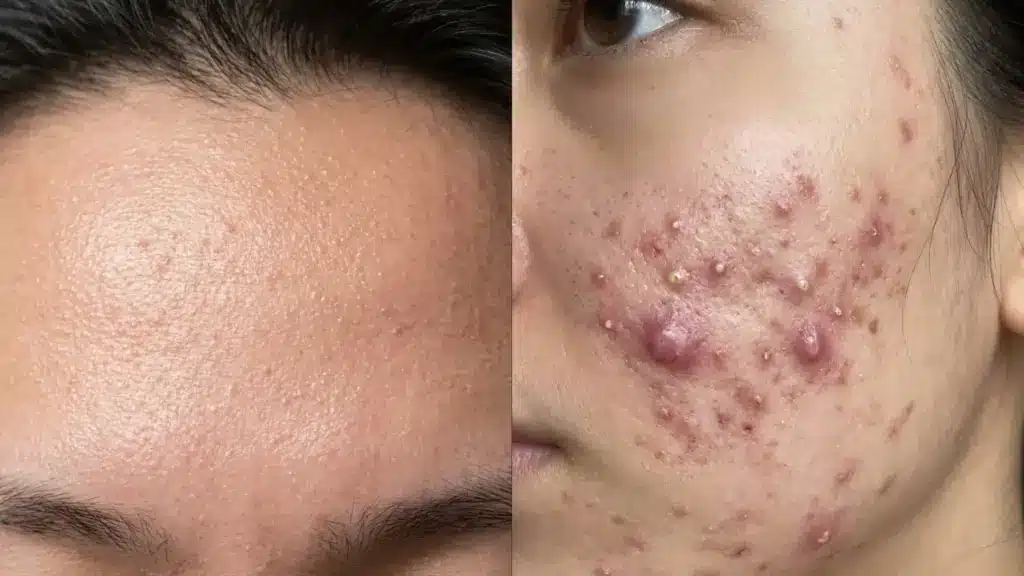
That stubborn breakout you have been fighting for weeks might not even be what you think it is.
Most people assume all acne works the same way and reach for the same products every single time. But what if the treatment you are using is actually feeding the problem instead of fixing it?
The difference between fungal vs bacterial acne is something most people never learn about until they have already spent months frustrated and confused.
These two conditions look surprisingly similar on the surface, yet they have completely different causes and demand completely different solutions.
Getting it wrong does not just stall your progress; it can genuinely make your skin worse.
In this blog, I will explain what sets them apart, how t
That stubborn breakout you have been fighting for weeks might not even be what you think it is.
Most people assume all acne works the same way and reach for the same products every single time. But what if the treatment you are using is actually feeding the problem instead of fixing it?
The difference between fungal vs bacterial acne is something most people never learn about until they have already spent months frustrated and confused.
These two conditions look surprisingly similar on the surface, yet they have completely different causes and demand completely different solutions.
Getting it wrong does not just stall your progress; it can genuinely make your skin worse.
In this blog, I will explain what sets them apart, how to figure out which one you are dealing with, the treatment mistakes to avoid, and what actually works for each type.
Understanding Acne Types and What Causes Them
Acne is one of the most common skin conditions out there, and yet it is also one of the most misunderstood. In the United States alone, it affects nearly 50 million people per year, mostly adolescents and young adults.
At its core, acne is a disorder of the pilosebaceous unit (skin structure composed of a hair follicle, hair shaft, and oil gland), which is basically the hair follicle and its attached oil gland.
As NIAMS explains, when the body sheds skin cells, oil, and bacteria can stick together inside the pore, creating a plug.
That buildup leads to the different lesion types we recognize as acne, ranging from whiteheads and blackheads to papules, pustules, and deeper nodules or cysts.
Working with clients over the years, I noticed early on that people tend to group all breakouts under one umbrella.
What is Fungal Acne?
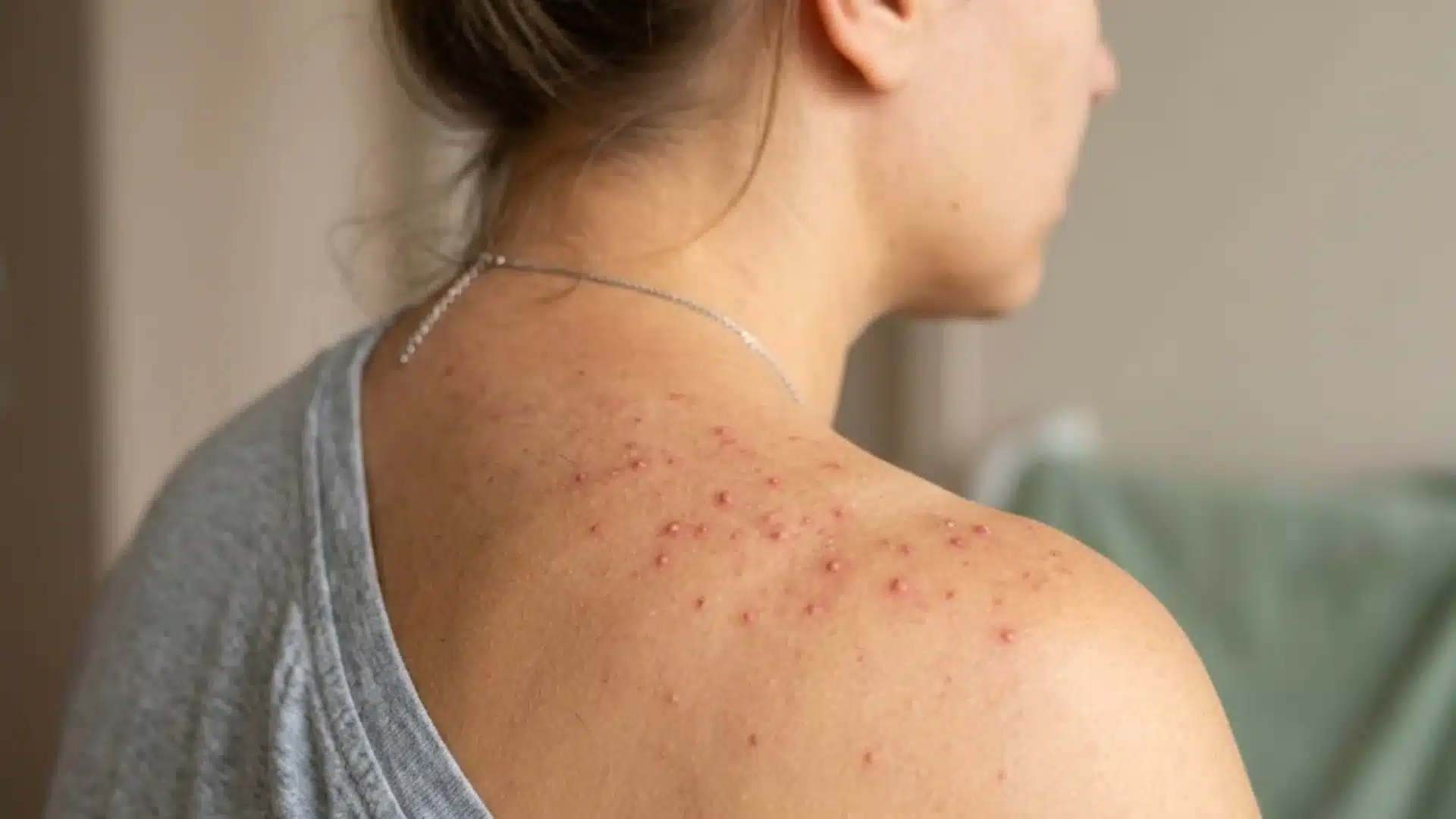
Fungal acne, also called Malassezia folliculitis or pityrosporum folliculitis, is actually a yeast infection that happens inside your hair follicles.
Almost everyone has a type of yeast called Malassezia living naturally on their skin. But when conditions are right, this yeast multiplies too much and gets trapped in the follicles, causing inflammation and those tiny bumps.
The result is a sudden crop of small, uniform pimples that often feel itchy or even slightly burning. They tend to show up in clusters on the forehead, chest, back, shoulders, or upper arms.
Fungal acne is not caused by clogged pores or bacteria, the way regular acne is.
Malassezia folliculitis results from an overgrowth of yeast present in the normal cutaneous flora, and eruptions may be associated with conditions that alter this flora, such as immunosuppression and antibiotic use.
There is no comedone formation, no bacterial infection, and no pore blockage involved. It is a follicular yeast overgrowth, full stop.
What is Bacterial Acne?
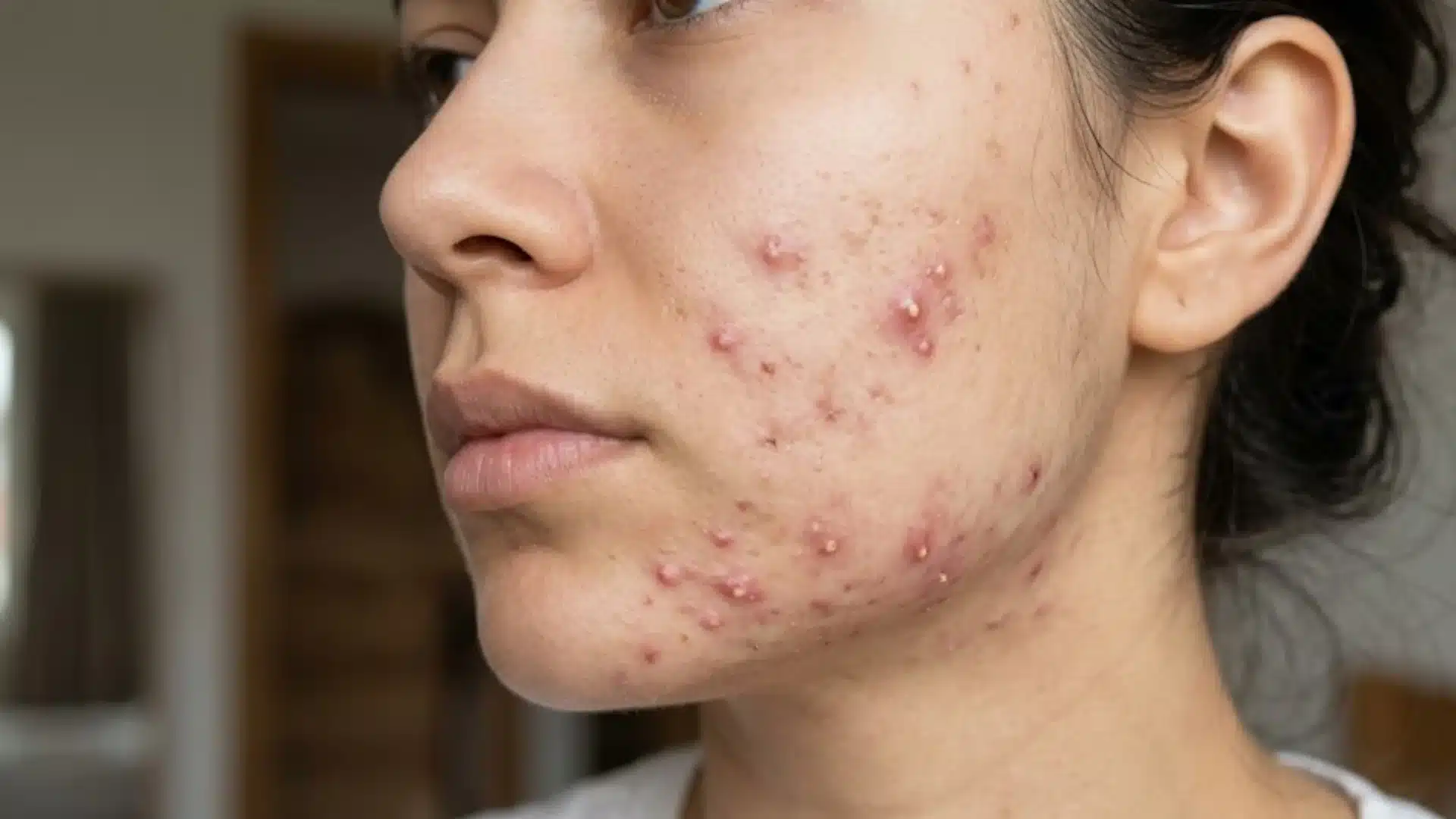
Most people who deal with breakouts are actually experiencing bacterial acne, which doctors call acne vulgaris. It is by far the more common type you see every day.
Your skin naturally produces an oily substance called sebum to keep itself soft and protected.
When you make a little too much sebum, and it mixes with dead skin cells that have not shed properly, the mixture can clog your hair follicles or pores.
Once trapped inside the clogged pore, these bacteria multiply quickly. Their presence then triggers redness, swelling, and inflammation, turning the clogged pore into a visible pimple.
You will notice a mix of blemishes, including bacterial acne.
Some are small red inflamed pimples, others are whiteheads or blackheads, and in more stubborn cases, you might get painful deeper cysts.
Fungal vs Bacterial Acne: Comparison at a Glance
The first step is understanding exactly what you are dealing with. A clear side-by-side look at the main differences between fungal vs bacterial acne helps you understand what you are dealing with.
| Aspect | Fungal Acne | Bacterial Acne |
|---|---|---|
| Cause | Malassezia yeast overgrowth | Cutibacterium acnes bacteria |
| Appearance | Small uniform bumps in clusters | Varied sizes, including blackheads |
| Itch Factor | Often very itchy | Rarely itchy |
| Common Locations | Forehead, chest, back, and shoulders | Face, jawline, chest, back |
| Responds to BP or SA | Usually no, may worsen | Usually, yes, improves |
| Responds to Antifungals | Yes | No |
Fungal vs Bacterial Acne: Detailed Comparison
Key differences in triggers, treatment, prevention, and long-term effects highlight how fungal and bacterial acne behave differently, helping guide more accurate care and better skin outcomes.
1. Common Triggers
Fungal acne flares in warm, moist environments. Heat, prolonged sweating, tight clothing that traps moisture, heavy occlusive skincare products, and antibiotic use are the most common triggers.
Treatments may be required during summer months as the weather is hotter and more humid, or during periods of increased sweating, such as intense exercise or outdoor work.
Occlusive clothing and topical products such as makeup, lotion, or sunscreen may also trigger flares.
Bacterial acne, on the other hand, is triggered both internally and externally.
Hormonal shifts, high-glycemic diets, stress-driven androgen surges, comedogenic products, and inconsistent cleansing routines all contribute to the pore congestion cycle that allows bacterial acne to proliferate.
2. Treatment Options
Fungal acne responds to antifungal treatment. Topical options include ketoconazole and selenium sulfide shampoos used as a body wash. For persistent cases, oral fluconazole or itraconazole may be prescribed.
Standard acne products like benzoyl peroxide and salicylic acid do not work here, and antibiotics can actively worsen the condition by eliminating the bacterial competition that keeps yeast in check.
Bacterial acne is treated with ingredients that target unclogged pores, including benzoyl peroxide, salicylic acid, topical retinoids, and topical or oral antibiotics for moderate to severe cases.
Hormonal therapies such as spironolactone or oral contraceptives may be appropriate for women with persistent hormonal acne.
If you are considering this route, it helps to understand the spironolactone duration for acne before committing to it.
Isotretinoin remains the most comprehensive option for severe, scarring-prone bacterial acne.
3. Prevention Strategies
Prevention looks very different depending on which type you are managing.
For fungal acne, the priority is reducing the conditions that yeast needs to thrive. Yeast may grow when your skin becomes too hot, sweaty, and moist.
To help prevent this, avoid greasy skincare products or sunscreens, wear clothes that let air reach your skin, and wash your skin well at least once a day.
Showering immediately after exercise, switching to lighter non-occlusive skincare, and using an antifungal shampoo weekly as a maintenance measure can significantly reduce recurrence.
For bacterial acne, prevention centers on managing oil production, keeping pores clear, and protecting the skin’s microbial balance.
Avoiding over-exfoliation matters here, too, since stripping the skin barrier disrupts the microbiome and can worsen, rather than prevent, breakouts.
4. Scarring and Long-Term Skin Impact
This is a distinction that often gets overlooked in comparisons but matters enormously for long-term skin health.
Fungal acne rarely scars. Because it lives within the hair follicle and does not rupture the follicular wall the way deep bacterial lesions do, post-inflammatory hyperpigmentation can occur, but true scarring is uncommon.
The more significant long-term risk with fungal acne is recurrence, since the underlying yeast never fully leaves the skin.
Bacterial acne, particularly the nodular and cystic forms, carries a much higher risk of scarring. Both cystic and nodular acne can lead to permanent skin damage in the form of scarring.
If scarring has already occurred, finding acne scar treatment options early gives you the best chance of meaningful improvement.
5. Recovery Speed and Treatment Progress
Knowing how quickly to expect results is just as important as knowing what to use.
Fungal acne tends to respond relatively quickly when the right treatment is in place. Clinically, patients typically begin seeing meaningful improvement within 2 weeks of starting antifungal therapy.
However, recurrence is common if environmental and lifestyle triggers are not also addressed, so maintenance care is usually necessary even after initial clearance.
Bacterial acne requires considerably more patience. Most topical treatments take four to six weeks before visible improvement appears, and more significant clearing can take 2 to 3 months.
Consistent daily use matters more than product strength, and rotating products too frequently is one of the most common reasons people fail to see results.
How to Identify Fungal vs Bacterial Acne?
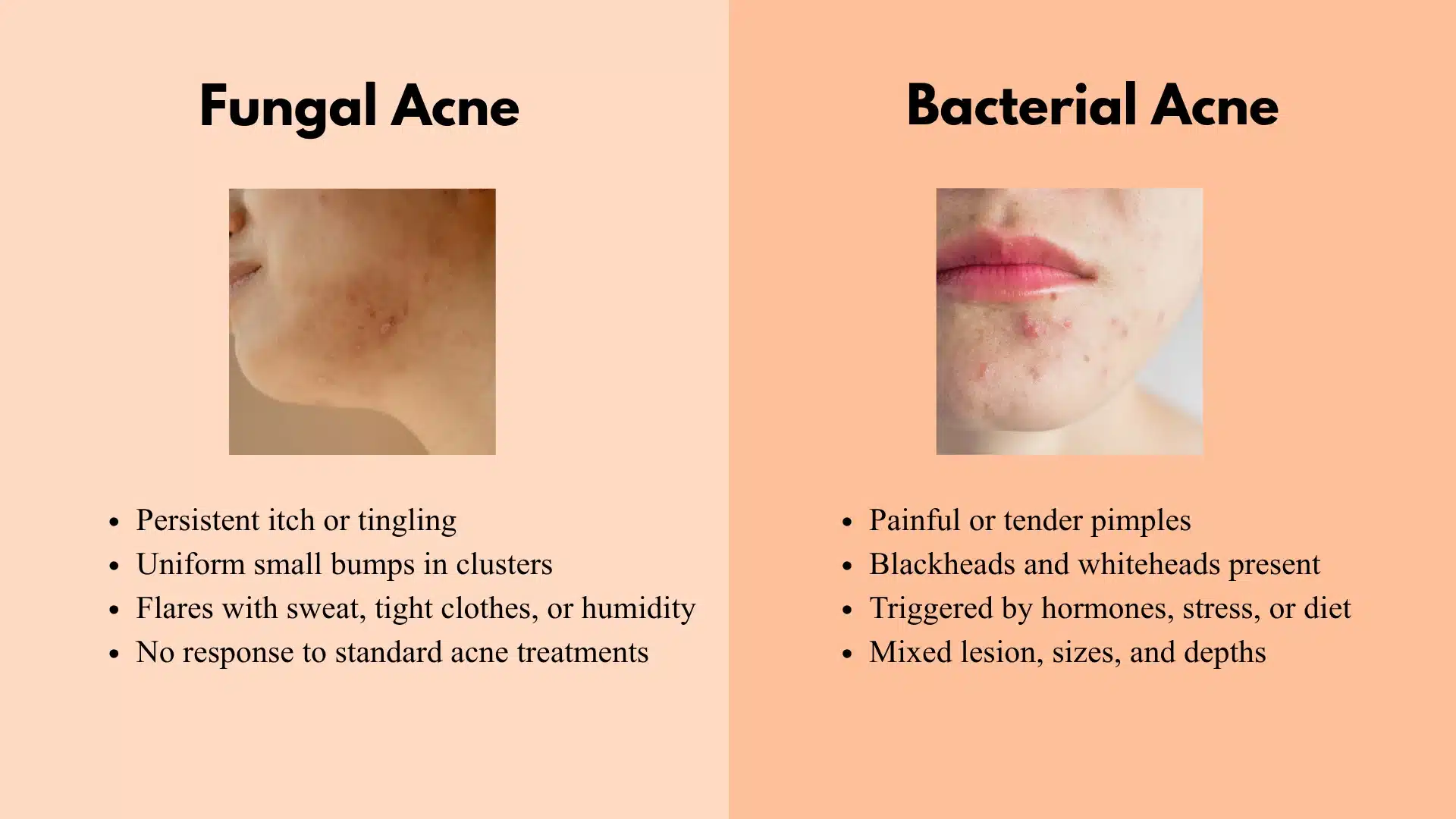
A simple step-by-step check helps you identify patterns, triggers, and skin responses, making it easier to understand the type of breakouts you are dealing with.
- Step 1: Look at the size and uniformity of your bumps. Are they all roughly the same small size and clustered together, or do they vary in size and depth?
- Step 2: Note whether blackheads or whiteheads are present; fungal acne does not produce them, and bacterial acne almost always does.
- Step 3: Consider your recent history. Have you taken antibiotics? Been in humid conditions or sweating heavily for extended periods? These are meaningful context clues.
- Step 4: Think about how your skin responds to products. If standard acne treatments like benzoyl peroxide or salicylic acid have done nothing or made things worse, that is a signal worth taking seriously.
- Step 5: Track everything for 7 to 10 days before making any changes. Note where new breakouts appear, what seems to trigger them, and whether there is any itch involved.
Can You Have Both Types of Acne Together?
Yes, and it is more common than most people realize. Research published in JCAD found that acne vulgaris and Malassezia folliculitis coexist in 12.2 to 27 percent of cases.
In practical terms, someone treating what appears to be regular bacterial acne may also be dealing with an untreated fungal component at the same time.
One reason this overlap happens is that antibiotics can disrupt the skin’s normal bacterial balance, allowing yeast to overgrow more easily. A person may begin antibiotic treatment for bacterial acne only to notice itchy, uniform bumps developing afterward.
The presentation can also vary by location. Cystic breakouts may appear along the jawline, while fungal folliculitis shows up across the chest, shoulders, or back. Because the symptoms do not always look identical, the second condition often goes unnoticed.
When both are present, treatment usually requires a combination of antifungal therapy and traditional acne medication rather than relying on one approach alone.
Common Mistakes When Treating Acne Types
Many people I work with lose valuable time and worsen their skin by treating the wrong type of acne or making simple but costly errors.
- Using the wrong treatment: Applying strong antibacterial products like benzoyl peroxide on small, itchy bumps can worsen the condition if the acne is fungal, not bacterial.
- Switching products too often: Changing skincare every week or two prevents treatments from working properly and can irritate the skin barrier.
- Spot treating only visible areas: Applying medication only on visible pimples misses surrounding areas where new breakouts can form.
- Using heavy, oily products: Thick moisturizers or sunscreens in humid weather can promote yeast growth, making fungal acne worse.
- Ignoring itchiness: Treating all breakouts as regular acne without considering itch can delay proper treatment and extend discomfort.
- Over-exfoliating or scrubbing: Using harsh exfoliants or scrubbing too hard damages the skin barrier and increases inflammation in both types.
When to See a Dermatologist for Acne Issues
I have seen too many clients waste months trying one product after another while their skin kept getting worse.
There comes a point when over-the-counter options and careful routines simply are not enough.
If your breakouts leave behind dark marks or permanent scars, if deep, painful cysts keep forming, or if nothing improves after 6 to 8 weeks of consistent care, it is time to seek professional help.
The same goes when new bumps appear suddenly in large numbers or when your skin becomes irritated and inflamed from the products you are using.
In my experience, waiting too long often leads to more frustration and lasting damage.
A board-certified dermatologist can accurately determine the type of acne and create a targeted plan that over-the-counter solutions cannot match. Do not hesitate to reach out earlier rather than later.
Lifestyle Tips to Prevent Acne Flare-Ups
After years of coaching swimmers and helping clients with sensitive skin, I have realized that small daily habits can make a real difference in keeping both fungal and bacterial breakouts under better control.
- Shower after sweating: Change out of sweaty clothes and shower as soon as possible after workouts or hot days. This helps reduce moisture buildup on the skin, which can create the ideal environment for yeast growth linked to fungal acne.
- Use non-comedogenic products: Choose skincare and makeup labeled non-comedogenic and oil-free. These products are less likely to clog pores or contribute to excess oil buildup, helping manage bacterial acne more effectively.
- Avoid touching your face often: Keep your hands away from your face throughout the day. Touching or picking transfers oils, bacteria, and dirt, which can increase inflammation and worsen existing breakouts.
- Adjust diet based on triggers: Maintain a balanced diet and reduce high-glycemic foods. Limit dairy if it seems to trigger breakouts. Paying attention to food-related patterns can help manage acne more consistently.
- Manage stress through routines: Incorporate simple habits like better sleep and light exercise. Stress hormones can increase oil production, which may contribute to more frequent or severe breakouts.
- Stick to simple, realistic habits: Focus on consistent, manageable changes that fit your routine and budget. Respecting your skin’s limits while staying consistent often leads to steadier, long-term improvement.
Conclusion
The biggest thing I want you to take away from all of this is that your skin is already telling you what it needs.
The itch, the location, the way your breakouts respond or refuse to respond to treatment. Those are not random details. They are clues, and paying attention to them can save you months of wasted effort.
Fungal vs bacterial acne may look alike on the surface, but they demand completely different responses.
Once you match the right approach to the right type of acne, results tend to follow faster than you would expect.
Your skin is more cooperative than you think when you finally stop working against it.
Have a question about your own breakouts or want to share what has worked for you? Drop a comment below and let us talk through it.
Frequently Asked Questions
Can Wearing Sunscreen Every Day Cause Fungal Acne?
Heavy occlusive sunscreens can trap moisture and feed yeast. Lightweight, oil-free, non-comedogenic formulas are much safer for fungal-prone skin.
Can Washing My Face More Often Fix Acne?
No. Over-washing strips natural oils and weakens your skin barrier. Twice daily with a gentle cleanser is enough for most people.
Can Shaving or Waxing Trigger Either Acne Type?
Both methods can damage hair follicles, creating entry points for bacteria or yeast. Gentle techniques and clean tools reduce the risk.
That stubborn breakout you have been fighting for weeks might not even be what you think it is.
Most people assume all acne works the same way and reach for the same products every single time. But what if the treatment you are using is actually feeding the problem instead of fixing it?
The difference between fungal vs bacterial acne is something most people never learn about until they have already spent months frustrated and confused.
These two conditions look surprisingly similar on the surface, yet they have completely different causes and demand completely different solutions.
Getting it wrong does not just stall your progress; it can genuinely make your skin worse.
In this blog, I will explain what sets them apart, how to figure out which one you are dealing with, the treatment mistakes to avoid, and what actually works for each type.
Understanding Acne Types and What Causes Them
Acne is one of the most common skin conditions out there, and yet it is also one of the most misunderstood. In the United States alone, it affects nearly 50 million people per year, mostly adolescents and young adults.
At its core, acne is a disorder of the pilosebaceous unit (skin structure composed of a hair follicle, hair shaft, and oil gland), which is basically the hair follicle and its attached oil gland.
As NIAMS explains, when the body sheds skin cells, oil, and bacteria can stick together inside the pore, creating a plug.
That buildup leads to the different lesion types we recognize as acne, ranging from whiteheads and blackheads to papules, pustules, and deeper nodules or cysts.
Working with clients over the years, I noticed early on that people tend to group all breakouts under one umbrella.
What is Fungal Acne?
Fungal acne, also called Malassezia folliculitis or pityrosporum folliculitis, is actually a yeast infection that happens inside your hair follicles.
Almost everyone has a type of yeast called Malassezia living naturally on their skin. But when conditions are right, this yeast multiplies too much and gets trapped in the follicles, causing inflammation and those tiny bumps.
The result is a sudden crop of small, uniform pimples that often feel itchy or even slightly burning. They tend to show up in clusters on the forehead, chest, back, shoulders, or upper arms.
Fungal acne is not caused by clogged pores or bacteria, the way regular acne is.
Malassezia folliculitis results from an overgrowth of yeast present in the normal cutaneous flora, and eruptions may be associated with conditions that alter this flora, such as immunosuppression and antibiotic use.
There is no comedone formation, no bacterial infection, and no pore blockage involved. It is a follicular yeast overgrowth, full stop.
What is Bacterial Acne?
Most people who deal with breakouts are actually experiencing bacterial acne, which doctors call acne vulgaris. It is by far the more common type you see every day.
Your skin naturally produces an oily substance called sebum to keep itself soft and protected.
When you make a little too much sebum, and it mixes with dead skin cells that have not shed properly, the mixture can clog your hair follicles or pores.
Once trapped inside the clogged pore, these bacteria multiply quickly. Their presence then triggers redness, swelling, and inflammation, turning the clogged pore into a visible pimple.
You will notice a mix of blemishes, including bacterial acne.
Some are small red inflamed pimples, others are whiteheads or blackheads, and in more stubborn cases, you might get painful deeper cysts.
Fungal vs Bacterial Acne: Comparison at a Glance
The first step is understanding exactly what you are dealing with. A clear side-by-side look at the main differences between fungal vs bacterial acne helps you understand what you are dealing with.
| Aspect | Fungal Acne | Bacterial Acne |
|---|---|---|
| Cause | Malassezia yeast overgrowth | Cutibacterium acnes bacteria |
| Appearance | Small uniform bumps in clusters | Varied sizes, including blackheads |
| Itch Factor | Often very itchy | Rarely itchy |
| Common Locations | Forehead, chest, back, and shoulders | Face, jawline, chest, back |
| Responds to BP or SA | Usually no, may worsen | Usually, yes, improves |
| Responds to Antifungals | Yes | No |
Fungal vs Bacterial Acne: Detailed Comparison
Key differences in triggers, treatment, prevention, and long-term effects highlight how fungal and bacterial acne behave differently, helping guide more accurate care and better skin outcomes.
1. Common Triggers
Fungal acne flares in warm, moist environments. Heat, prolonged sweating, tight clothing that traps moisture, heavy occlusive skincare products, and antibiotic use are the most common triggers.
Treatments may be required during summer months as the weather is hotter and more humid, or during periods of increased sweating, such as intense exercise or outdoor work.
Occlusive clothing and topical products such as makeup, lotion, or sunscreen may also trigger flares.
Bacterial acne, on the other hand, is triggered both internally and externally.
Hormonal shifts, high-glycemic diets, stress-driven androgen surges, comedogenic products, and inconsistent cleansing routines all contribute to the pore congestion cycle that allows bacterial acne to proliferate.
2. Treatment Options
Fungal acne responds to antifungal treatment. Topical options include ketoconazole and selenium sulfide shampoos used as a body wash. For persistent cases, oral fluconazole or itraconazole may be prescribed.
Standard acne products like benzoyl peroxide and salicylic acid do not work here, and antibiotics can actively worsen the condition by eliminating the bacterial competition that keeps yeast in check.
Bacterial acne is treated with ingredients that target unclogged pores, including benzoyl peroxide, salicylic acid, topical retinoids, and topical or oral antibiotics for moderate to severe cases.
Hormonal therapies such as spironolactone or oral contraceptives may be appropriate for women with persistent hormonal acne.
If you are considering this route, it helps to understand the spironolactone duration for acne before committing to it.
Isotretinoin remains the most comprehensive option for severe, scarring-prone bacterial acne.
3. Prevention Strategies
Prevention looks very different depending on which type you are managing.
For fungal acne, the priority is reducing the conditions that yeast needs to thrive. Yeast may grow when your skin becomes too hot, sweaty, and moist.
To help prevent this, avoid greasy skincare products or sunscreens, wear clothes that let air reach your skin, and wash your skin well at least once a day.
Showering immediately after exercise, switching to lighter non-occlusive skincare, and using an antifungal shampoo weekly as a maintenance measure can significantly reduce recurrence.
For bacterial acne, prevention centers on managing oil production, keeping pores clear, and protecting the skin’s microbial balance.
Avoiding over-exfoliation matters here, too, since stripping the skin barrier disrupts the microbiome and can worsen, rather than prevent, breakouts.
4. Scarring and Long-Term Skin Impact
This is a distinction that often gets overlooked in comparisons but matters enormously for long-term skin health.
Fungal acne rarely scars. Because it lives within the hair follicle and does not rupture the follicular wall the way deep bacterial lesions do, post-inflammatory hyperpigmentation can occur, but true scarring is uncommon.
The more significant long-term risk with fungal acne is recurrence, since the underlying yeast never fully leaves the skin.
Bacterial acne, particularly the nodular and cystic forms, carries a much higher risk of scarring. Both cystic and nodular acne can lead to permanent skin damage in the form of scarring.
If scarring has already occurred, finding acne scar treatment options early gives you the best chance of meaningful improvement.
5. Recovery Speed and Treatment Progress
Knowing how quickly to expect results is just as important as knowing what to use.
Fungal acne tends to respond relatively quickly when the right treatment is in place. Clinically, patients typically begin seeing meaningful improvement within 2 weeks of starting antifungal therapy.
However, recurrence is common if environmental and lifestyle triggers are not also addressed, so maintenance care is usually necessary even after initial clearance.
Bacterial acne requires considerably more patience. Most topical treatments take four to six weeks before visible improvement appears, and more significant clearing can take 2 to 3 months.
Consistent daily use matters more than product strength, and rotating products too frequently is one of the most common reasons people fail to see results.
How to Identify Fungal vs Bacterial Acne?
A simple step-by-step check helps you identify patterns, triggers, and skin responses, making it easier to understand the type of breakouts you are dealing with.
- Step 1: Look at the size and uniformity of your bumps. Are they all roughly the same small size and clustered together, or do they vary in size and depth?
- Step 2: Note whether blackheads or whiteheads are present; fungal acne does not produce them, and bacterial acne almost always does.
- Step 3: Consider your recent history. Have you taken antibiotics? Been in humid conditions or sweating heavily for extended periods? These are meaningful context clues.
- Step 4: Think about how your skin responds to products. If standard acne treatments like benzoyl peroxide or salicylic acid have done nothing or made things worse, that is a signal worth taking seriously.
- Step 5: Track everything for 7 to 10 days before making any changes. Note where new breakouts appear, what seems to trigger them, and whether there is any itch involved.
Can You Have Both Types of Acne Together?
Yes, and it is more common than most people realize. Research published in JCAD found that acne vulgaris and Malassezia folliculitis coexist in 12.2 to 27 percent of cases.
In practical terms, someone treating what appears to be regular bacterial acne may also be dealing with an untreated fungal component at the same time.
One reason this overlap happens is that antibiotics can disrupt the skin’s normal bacterial balance, allowing yeast to overgrow more easily. A person may begin antibiotic treatment for bacterial acne only to notice itchy, uniform bumps developing afterward.
The presentation can also vary by location. Cystic breakouts may appear along the jawline, while fungal folliculitis shows up across the chest, shoulders, or back. Because the symptoms do not always look identical, the second condition often goes unnoticed.
When both are present, treatment usually requires a combination of antifungal therapy and traditional acne medication rather than relying on one approach alone.
Common Mistakes When Treating Acne Types
Many people I work with lose valuable time and worsen their skin by treating the wrong type of acne or making simple but costly errors.
- Using the wrong treatment: Applying strong antibacterial products like benzoyl peroxide on small, itchy bumps can worsen the condition if the acne is fungal, not bacterial.
- Switching products too often: Changing skincare every week or two prevents treatments from working properly and can irritate the skin barrier.
- Spot treating only visible areas: Applying medication only on visible pimples misses surrounding areas where new breakouts can form.
- Using heavy, oily products: Thick moisturizers or sunscreens in humid weather can promote yeast growth, making fungal acne worse.
- Ignoring itchiness: Treating all breakouts as regular acne without considering itch can delay proper treatment and extend discomfort.
- Over-exfoliating or scrubbing: Using harsh exfoliants or scrubbing too hard damages the skin barrier and increases inflammation in both types.
When to See a Dermatologist for Acne Issues
I have seen too many clients waste months trying one product after another while their skin kept getting worse.
There comes a point when over-the-counter options and careful routines simply are not enough.
If your breakouts leave behind dark marks or permanent scars, if deep, painful cysts keep forming, or if nothing improves after 6 to 8 weeks of consistent care, it is time to seek professional help.
The same goes when new bumps appear suddenly in large numbers or when your skin becomes irritated and inflamed from the products you are using.
In my experience, waiting too long often leads to more frustration and lasting damage.
A board-certified dermatologist can accurately determine the type of acne and create a targeted plan that over-the-counter solutions cannot match. Do not hesitate to reach out earlier rather than later.
Lifestyle Tips to Prevent Acne Flare-Ups
After years of coaching swimmers and helping clients with sensitive skin, I have realized that small daily habits can make a real difference in keeping both fungal and bacterial breakouts under better control.
- Shower after sweating: Change out of sweaty clothes and shower as soon as possible after workouts or hot days. This helps reduce moisture buildup on the skin, which can create the ideal environment for yeast growth linked to fungal acne.
- Use non-comedogenic products: Choose skincare and makeup labeled non-comedogenic and oil-free. These products are less likely to clog pores or contribute to excess oil buildup, helping manage bacterial acne more effectively.
- Avoid touching your face often: Keep your hands away from your face throughout the day. Touching or picking transfers oils, bacteria, and dirt, which can increase inflammation and worsen existing breakouts.
- Adjust diet based on triggers: Maintain a balanced diet and reduce high-glycemic foods. Limit dairy if it seems to trigger breakouts. Paying attention to food-related patterns can help manage acne more consistently.
- Manage stress through routines: Incorporate simple habits like better sleep and light exercise. Stress hormones can increase oil production, which may contribute to more frequent or severe breakouts.
- Stick to simple, realistic habits: Focus on consistent, manageable changes that fit your routine and budget. Respecting your skin’s limits while staying consistent often leads to steadier, long-term improvement.
Conclusion
The biggest thing I want you to take away from all of this is that your skin is already telling you what it needs.
The itch, the location, the way your breakouts respond or refuse to respond to treatment. Those are not random details. They are clues, and paying attention to them can save you months of wasted effort.
Fungal vs bacterial acne may look alike on the surface, but they demand completely different responses.
Once you match the right approach to the right type of acne, results tend to follow faster than you would expect.
Your skin is more cooperative than you think when you finally stop working against it.
Have a question about your own breakouts or want to share what has worked for you? Drop a comment below and let us talk through it.
Frequently Asked Questions
Can Wearing Sunscreen Every Day Cause Fungal Acne?
Heavy occlusive sunscreens can trap moisture and feed yeast. Lightweight, oil-free, non-comedogenic formulas are much safer for fungal-prone skin.
Can Washing My Face More Often Fix Acne?
No. Over-washing strips natural oils and weakens your skin barrier. Twice daily with a gentle cleanser is enough for most people.
Can Shaving or Waxing Trigger Either Acne Type?
Both methods can damage hair follicles, creating entry points for bacteria or yeast. Gentle techniques and clean tools reduce the risk.
o figure out which one you are dealing with, the treatment mistakes to avoid, and what actually works for each type.
Understanding Acne Types and What Causes Them
Acne is one of the most common skin conditions out there, and yet it is also one of the most misunderstood. In the United States alone, it affects nearly 50 million people per year, mostly adolescents and young adults.
At its core, acne is a disorder of the pilosebaceous unit (skin structure composed of a hair follicle, hair shaft, and oil gland), which is basically the hair follicle and its attached oil gland.
As NIAMS explains, when the body sheds skin cells, oil, and bacteria can stick together inside the pore, creating a plug.
That buildup leads to the different lesion types we recognize as acne, ranging from whiteheads and blackheads to papules, pustules, and deeper nodules or cysts.
Working with clients over the years, I noticed early on that people tend to group all breakouts under one umbrella.
What is Fungal Acne?
Fungal acne, also called Malassezia folliculitis or pityrosporum folliculitis, is actually a yeast infection that happens inside your hair follicles.
Almost everyone has a type of yeast called Malassezia living naturally on their skin. But when conditions are right, this yeast multiplies too much and gets trapped in the follicles, causing inflammation and those tiny bumps.
The result is a sudden crop of small, uniform pimples that often feel itchy or even slightly burning. They tend to show up in clusters on the forehead, chest, back, shoulders, or upper arms.
Fungal acne is not caused by clogged pores or bacteria, the way regular acne is.
Malassezia folliculitis results from an overgrowth of yeast present in the normal cutaneous flora, and eruptions may be associated with conditions that alter this flora, such as immunosuppression and antibiotic use.
There is no comedone formation, no bacterial infection, and no pore blockage involved. It is a follicular yeast overgrowth, full stop.
What is Bacterial Acne?
Most people who deal with breakouts are actually experiencing bacterial acne, which doctors call acne vulgaris. It is by far the more common type you see every day.
Your skin naturally produces an oily substance called sebum to keep itself soft and protected.
When you make a little too much sebum, and it mixes with dead skin cells that have not shed properly, the mixture can clog your hair follicles or pores.
Once trapped inside the clogged pore, these bacteria multiply quickly. Their presence then triggers redness, swelling, and inflammation, turning the clogged pore into a visible pimple.
You will notice a mix of blemishes, including bacterial acne.
Some are small red inflamed pimples, others are whiteheads or blackheads, and in more stubborn cases, you might get painful deeper cysts.
Fungal vs Bacterial Acne: Comparison at a Glance
The first step is understanding exactly what you are dealing with. A clear side-by-side look at the main differences between fungal vs bacterial acne helps you understand what you are dealing with.
| Aspect | Fungal Acne | Bacterial Acne |
|---|---|---|
| Cause | Malassezia yeast overgrowth | Cutibacterium acnes bacteria |
| Appearance | Small uniform bumps in clusters | Varied sizes, including blackheads |
| Itch Factor | Often very itchy | Rarely itchy |
| Common Locations | Forehead, chest, back, and shoulders | Face, jawline, chest, back |
| Responds to BP or SA | Usually no, may worsen | Usually, yes, improves |
| Responds to Antifungals | Yes | No |
Fungal vs Bacterial Acne: Detailed Comparison
Key differences in triggers, treatment, prevention, and long-term effects highlight how fungal and bacterial acne behave differently, helping guide more accurate care and better skin outcomes.
1. Common Triggers
Fungal acne flares in warm, moist environments. Heat, prolonged sweating, tight clothing that traps moisture, heavy occlusive skincare products, and antibiotic use are the most common triggers.
Treatments may be required during summer months as the weather is hotter and more humid, or during periods of increased sweating, such as intense exercise or outdoor work.
Occlusive clothing and topical products such as makeup, lotion, or sunscreen may also trigger flares.
Bacterial acne, on the other hand, is triggered both internally and externally.
Hormonal shifts, high-glycemic diets, stress-driven androgen surges, comedogenic products, and inconsistent cleansing routines all contribute to the pore congestion cycle that allows bacterial acne to proliferate.
2. Treatment Options
Fungal acne responds to antifungal treatment. Topical options include ketoconazole and selenium sulfide shampoos used as a body wash. For persistent cases, oral fluconazole or itraconazole may be prescribed.
Standard acne products like benzoyl peroxide and salicylic acid do not work here, and antibiotics can actively worsen the condition by eliminating the bacterial competition that keeps yeast in check.
Bacterial acne is treated with ingredients that target unclogged pores, including benzoyl peroxide, salicylic acid, topical retinoids, and topical or oral antibiotics for moderate to severe cases.
Hormonal therapies such as spironolactone or oral contraceptives may be appropriate for women with persistent hormonal acne.
If you are considering this route, it helps to understand the spironolactone duration for acne before committing to it.
Isotretinoin remains the most comprehensive option for severe, scarring-prone bacterial acne.
3. Prevention Strategies
Prevention looks very different depending on which type you are managing.
For fungal acne, the priority is reducing the conditions that yeast needs to thrive. Yeast may grow when your skin becomes too hot, sweaty, and moist.
To help prevent this, avoid greasy skincare products or sunscreens, wear clothes that let air reach your skin, and wash your skin well at least once a day.
Showering immediately after exercise, switching to lighter non-occlusive skincare, and using an antifungal shampoo weekly as a maintenance measure can significantly reduce recurrence.
For bacterial acne, prevention centers on managing oil production, keeping pores clear, and protecting the skin’s microbial balance.
Avoiding over-exfoliation matters here, too, since stripping the skin barrier disrupts the microbiome and can worsen, rather than prevent, breakouts.
4. Scarring and Long-Term Skin Impact
This is a distinction that often gets overlooked in comparisons but matters enormously for long-term skin health.
Fungal acne rarely scars. Because it lives within the hair follicle and does not rupture the follicular wall the way deep bacterial lesions do, post-inflammatory hyperpigmentation can occur, but true scarring is uncommon.
The more significant long-term risk with fungal acne is recurrence, since the underlying yeast never fully leaves the skin.
Bacterial acne, particularly the nodular and cystic forms, carries a much higher risk of scarring. Both cystic and nodular acne can lead to permanent skin damage in the form of scarring.
If scarring has already occurred, finding acne scar treatment options early gives you the best chance of meaningful improvement.
5. Recovery Speed and Treatment Progress
Knowing how quickly to expect results is just as important as knowing what to use.
Fungal acne tends to respond relatively quickly when the right treatment is in place. Clinically, patients typically begin seeing meaningful improvement within 2 weeks of starting antifungal therapy.
However, recurrence is common if environmental and lifestyle triggers are not also addressed, so maintenance care is usually necessary even after initial clearance.
Bacterial acne requires considerably more patience. Most topical treatments take four to six weeks before visible improvement appears, and more significant clearing can take 2 to 3 months.
Consistent daily use matters more than product strength, and rotating products too frequently is one of the most common reasons people fail to see results.
How to Identify Fungal vs Bacterial Acne?
A simple step-by-step check helps you identify patterns, triggers, and skin responses, making it easier to understand the type of breakouts you are dealing with.
- Step 1: Look at the size and uniformity of your bumps. Are they all roughly the same small size and clustered together, or do they vary in size and depth?
- Step 2: Note whether blackheads or whiteheads are present; fungal acne does not produce them, and bacterial acne almost always does.
- Step 3: Consider your recent history. Have you taken antibiotics? Been in humid conditions or sweating heavily for extended periods? These are meaningful context clues.
- Step 4: Think about how your skin responds to products. If standard acne treatments like benzoyl peroxide or salicylic acid have done nothing or made things worse, that is a signal worth taking seriously.
- Step 5: Track everything for 7 to 10 days before making any changes. Note where new breakouts appear, what seems to trigger them, and whether there is any itch involved.
Can You Have Both Types of Acne Together?
Yes, and it is more common than most people realize. Research published in JCAD found that acne vulgaris and Malassezia folliculitis coexist in 12.2 to 27 percent of cases.
In practical terms, someone treating what appears to be regular bacterial acne may also be dealing with an untreated fungal component at the same time.
One reason this overlap happens is that antibiotics can disrupt the skin’s normal bacterial balance, allowing yeast to overgrow more easily. A person may begin antibiotic treatment for bacterial acne only to notice itchy, uniform bumps developing afterward.
The presentation can also vary by location. Cystic breakouts may appear along the jawline, while fungal folliculitis shows up across the chest, shoulders, or back. Because the symptoms do not always look identical, the second condition often goes unnoticed.
When both are present, treatment usually requires a combination of antifungal therapy and traditional acne medication rather than relying on one approach alone.
Common Mistakes When Treating Acne Types
Many people I work with lose valuable time and worsen their skin by treating the wrong type of acne or making simple but costly errors.
- Using the wrong treatment: Applying strong antibacterial products like benzoyl peroxide on small, itchy bumps can worsen the condition if the acne is fungal, not bacterial.
- Switching products too often: Changing skincare every week or two prevents treatments from working properly and can irritate the skin barrier.
- Spot treating only visible areas: Applying medication only on visible pimples misses surrounding areas where new breakouts can form.
- Using heavy, oily products: Thick moisturizers or sunscreens in humid weather can promote yeast growth, making fungal acne worse.
- Ignoring itchiness: Treating all breakouts as regular acne without considering itch can delay proper treatment and extend discomfort.
- Over-exfoliating or scrubbing: Using harsh exfoliants or scrubbing too hard damages the skin barrier and increases inflammation in both types.
When to See a Dermatologist for Acne Issues
I have seen too many clients waste months trying one product after another while their skin kept getting worse.
There comes a point when over-the-counter options and careful routines simply are not enough.
If your breakouts leave behind dark marks or permanent scars, if deep, painful cysts keep forming, or if nothing improves after 6 to 8 weeks of consistent care, it is time to seek professional help.
The same goes when new bumps appear suddenly in large numbers or when your skin becomes irritated and inflamed from the products you are using.
In my experience, waiting too long often leads to more frustration and lasting damage.
A board-certified dermatologist can accurately determine the type of acne and create a targeted plan that over-the-counter solutions cannot match. Do not hesitate to reach out earlier rather than later.
Lifestyle Tips to Prevent Acne Flare-Ups
After years of coaching swimmers and helping clients with sensitive skin, I have realized that small daily habits can make a real difference in keeping both fungal and bacterial breakouts under better control.
- Shower after sweating: Change out of sweaty clothes and shower as soon as possible after workouts or hot days. This helps reduce moisture buildup on the skin, which can create the ideal environment for yeast growth linked to fungal acne.
- Use non-comedogenic products: Choose skincare and makeup labeled non-comedogenic and oil-free. These products are less likely to clog pores or contribute to excess oil buildup, helping manage bacterial acne more effectively.
- Avoid touching your face often: Keep your hands away from your face throughout the day. Touching or picking transfers oils, bacteria, and dirt, which can increase inflammation and worsen existing breakouts.
- Adjust diet based on triggers: Maintain a balanced diet and reduce high-glycemic foods. Limit dairy if it seems to trigger breakouts. Paying attention to food-related patterns can help manage acne more consistently.
- Manage stress through routines: Incorporate simple habits like better sleep and light exercise. Stress hormones can increase oil production, which may contribute to more frequent or severe breakouts.
- Stick to simple, realistic habits: Focus on consistent, manageable changes that fit your routine and budget. Respecting your skin’s limits while staying consistent often leads to steadier, long-term improvement.
Conclusion
The biggest thing I want you to take away from all of this is that your skin is already telling you what it needs.
The itch, the location, the way your breakouts respond or refuse to respond to treatment. Those are not random details. They are clues, and paying attention to them can save you months of wasted effort.
Fungal vs bacterial acne may look alike on the surface, but they demand completely different responses.
Once you match the right approach to the right type of acne, results tend to follow faster than you would expect.
Your skin is more cooperative than you think when you finally stop working against it.
Have a question about your own breakouts or want to share what has worked for you? Drop a comment below and let us talk through it.
Frequently Asked Questions
Can Wearing Sunscreen Every Day Cause Fungal Acne?
Heavy occlusive sunscreens can trap moisture and feed yeast. Lightweight, oil-free, non-comedogenic formulas are much safer for fungal-prone skin.
Can Washing My Face More Often Fix Acne?
No. Over-washing strips natural oils and weakens your skin barrier. Twice daily with a gentle cleanser is enough for most people.
Can Shaving or Waxing Trigger Either Acne Type?
Both methods can damage hair follicles, creating entry points for bacteria or yeast. Gentle techniques and clean tools reduce the risk.