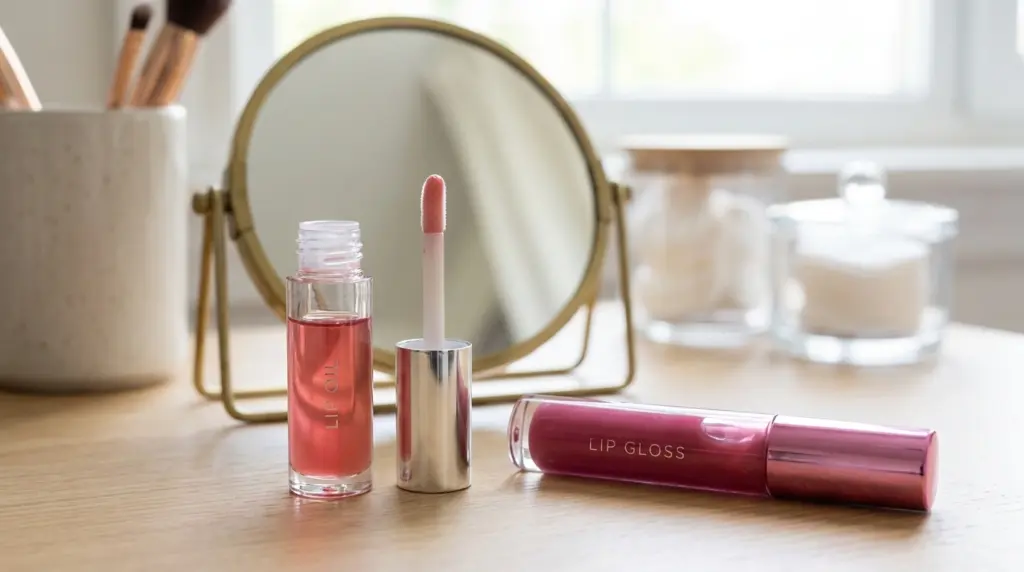
Stand in front of any beauty aisle or scroll through any “get ready with me” video and you’ll notice something confusing: half the lip products look basically identical.
Lip oil vs. lip gloss both give you shine. But they’re built for very different jobs.
Lip oil is all about comfort and moisture; it’s the “my lips feel good today” product. Lip gloss is more about the look: the shine, the color, that mirror-ball finish.
Once you get a feel for the texture, how long each one actually lasts, and what you’re trying to achieve with your makeup, picking between the two gets a lot easier.
What is Lip Oil?
Lip oil is a conditioning lip product that combines shine with a soft, comfortable feel. Its formula may contain jojoba, rosehip, coconut, or avocado oil, along with synthetic emollients and other ingredients that help smooth the lips.
Most lip oils have a thinner, more slippery texture than traditional gloss, although some modern formulas feel thick or cushiony. They usually provide sheer color and need to be reapplied after eating or drinking.
Despite the name, not every formula contains large amounts of botanical oil. Checking the ingredient list and testing the texture is more useful than relying only on the product label.
What is Lip Gloss?
Lip gloss is a makeup product designed to create a reflective finish on the surface of the lips. Depending on the formula, it can be clear, tinted, glittery, or highly pigmented.
Most glosses use emollients, waxes, thickeners, and film-forming ingredients to produce a smooth, glass-like coating. Understanding common lip gloss ingredients helps explain why some formulas feel thicker or tackier than lip oil and keep their shine visible longer.
Some glosses contain conditioning oils, shea butter, or other moisturizing ingredients. However, hydration varies by formula and should not be assumed from the word “gloss” alone.
Lip Oil vs Lip Gloss: Key Differences
Both products can add shine, but their texture, color payoff, wear time, and feel on the lips can be noticeably different.
| Feature | Lip Oil | Lip Gloss |
|---|---|---|
| Formula | Oils, emollients, and conditioning ingredients | Emollients, thickeners, waxes, and film-forming agents |
| Texture | Thin, slippery, or cushiony | Smooth, thick, or tacky |
| Finish | Soft, wet-looking shine | Glassy or mirror-like shine |
| Lip Feel | Usually lighter and less sticky | Often more noticeable on the lips |
| Color | Usually sheer or lightly tinted | Clear, sheer, glittery, or pigmented |
| Wear Time | Often needs frequent reapplication | Usually remains visible longer |
| Main Benefit | Comfortable shine with a conditioning feel | Stronger shine and more makeup impact |
These are general differences rather than fixed rules. Hybrid formulas may feel like an oil while wearing like a gloss, so the ingredient list and texture matter more than the product name.
Lip Oil vs Lip Gloss: Which One Lasts Longer?
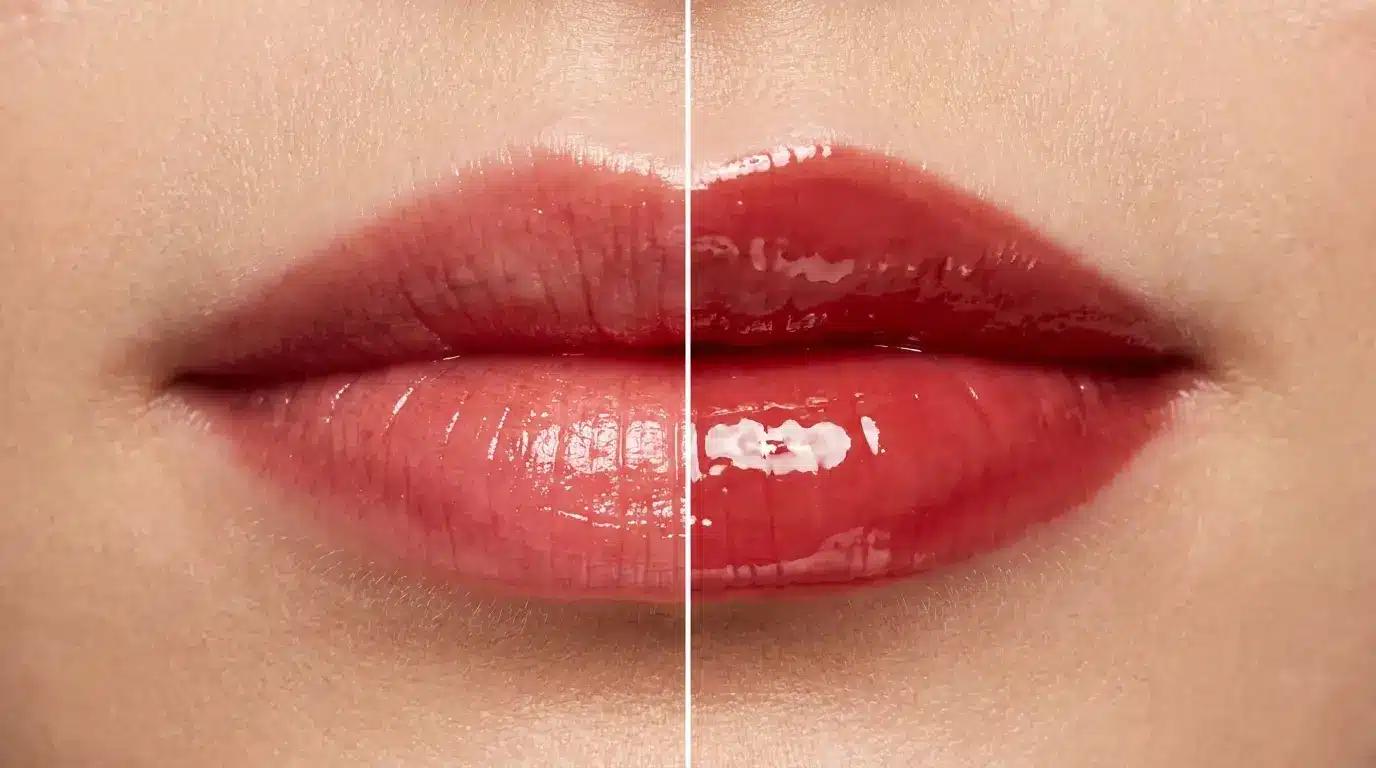
Lip gloss usually keeps its visible shine longer because its thicker formula forms a coating on the lips. Stickier glosses may have better staying power, although they can feel heavier and catch loose hair.
Lip oil often wears away faster because it has a lighter texture and more slip. The lips may continue to feel soft after the shine fades, but reapplication is usually needed after meals or drinks.
Wear time also depends on the formula, application amount, lip condition, and any products worn underneath. A tinted oil may leave some color behind, while a clear oil may disappear completely.
Choose gloss when longer-visible shine matters most. Choose oil when a lighter, more comfortable feel is the priority.
When Should You Use Lip Oil or Lip Gloss?
Your lip condition, preferred finish, and reapplication habits can help you choose between the two products.
Choose lip oil for:
- Sheer color and a lightweight feel
- Casual or minimal makeup
- Dry-feeling lips that need added comfort
- Days when frequent reapplication is not a concern
Choose lip gloss for:
- A glassy, reflective finish
- Stronger color and visible definition
- Layering over lipstick or lip liner
- Makeup that needs longer-lasting surface shine
The difference between lipstick and lip gloss also matters when layering. Lipstick provides the base color, while gloss adds a reflective surface without replacing the shade underneath.
For cracked or severely chapped lips, apply a fragrance-free balm first. Let it settle before adding oil or gloss for color and shine.
Lip Oil vs Lip Gloss vs Lip Balm: How They Compare
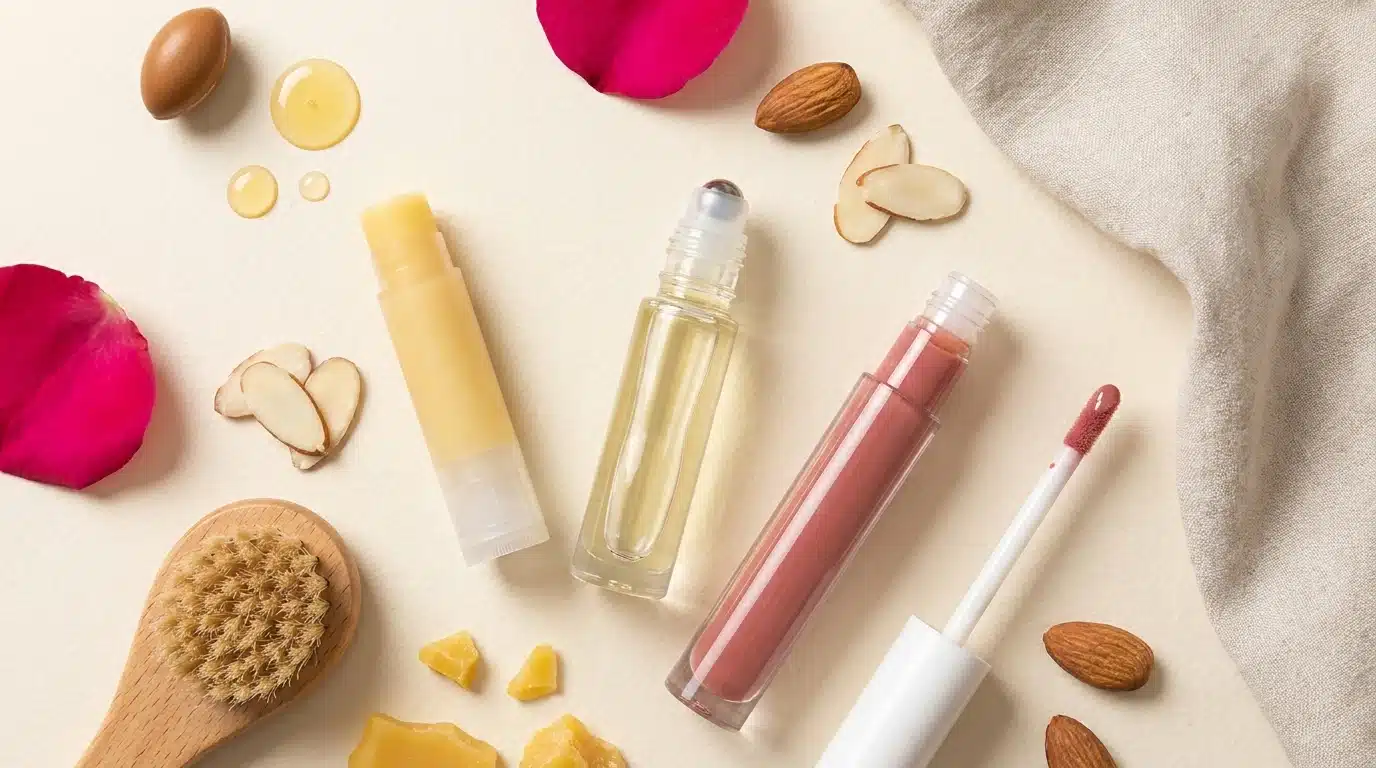
Lip balm belongs in the comparison because it serves a different purpose. It focuses on protecting the lips, while oil and gloss combine varying levels of conditioning with cosmetic shine.
| Product | Main Purpose | Typical Texture | When to Use It |
|---|---|---|---|
| Lip Balm | Seal in moisture and protect lips | Waxy, creamy, or ointment-like | Dry, cracked, or uncomfortable lips |
| Lip Oil | Add conditioning shine | Light, slippery, or cushiony | Casual wear and dry-feeling lips |
| Lip Gloss | Create visible cosmetic shine | Smooth, thick, or tacky | Finished makeup looks or layering |
You can also use the products together. Apply balm first when your lips need protection, then add oil or gloss after the balm has absorbed.
The Lip Oils Blowing Up Your For You Page
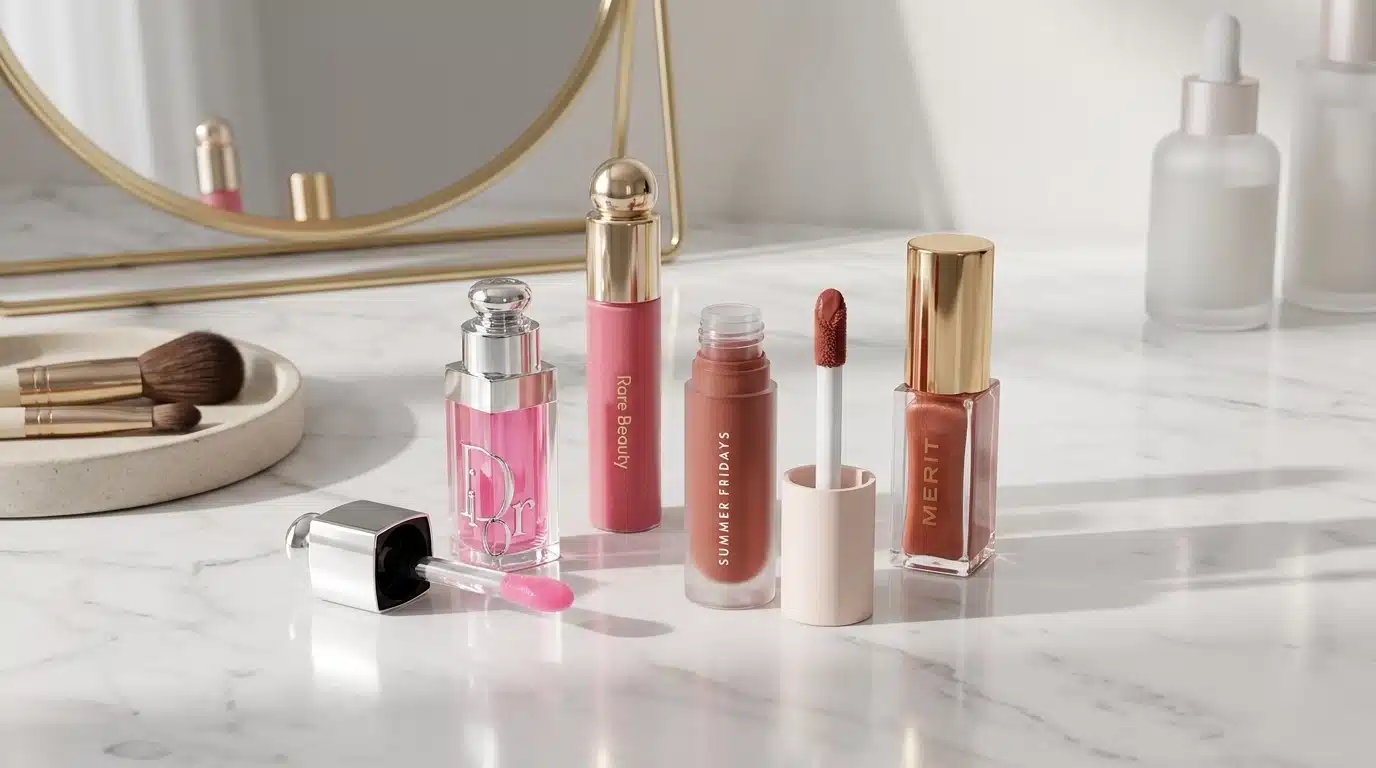
Lip oil has quietly become one of those products that lives in every Gen Z tote bag and phone case pocket.
- Dior Addict Lip Glow Oil (007): The reformulated Lip Glow Oil has staying power, with ultra-hydrating, shiny finishes across sheer, high-shine, and shimmer options.
- Rare Beauty Soft Pinch Tinted Lip Oil (Hope): Selena Gomez’s tinted lip oil is a 3-in-1 hybrid that treats like an oil, shines like a gloss, and delivers buildable, long-wear color.
- Summer Fridays Dream Lip Oil (Blush Dreams): A favorite among Gen Z and Alpha shoppers for its Dream Lip Oil, made with a vegan oil complex and Vitamin E for moisture and a hint of color
- Merit Beauty’s Shade Slick Lip Oil: Known for its tinted lip oil formulas with vegan, cruelty-free ingredients suited for dry skin.
At the end of the day, these brands aren’t just selling shine; they’re selling the whole “low effort, high glow” lifestyle that’s basically the backbone of modern beauty culture right now.
The Glosses Bringing Back Y2K Shine
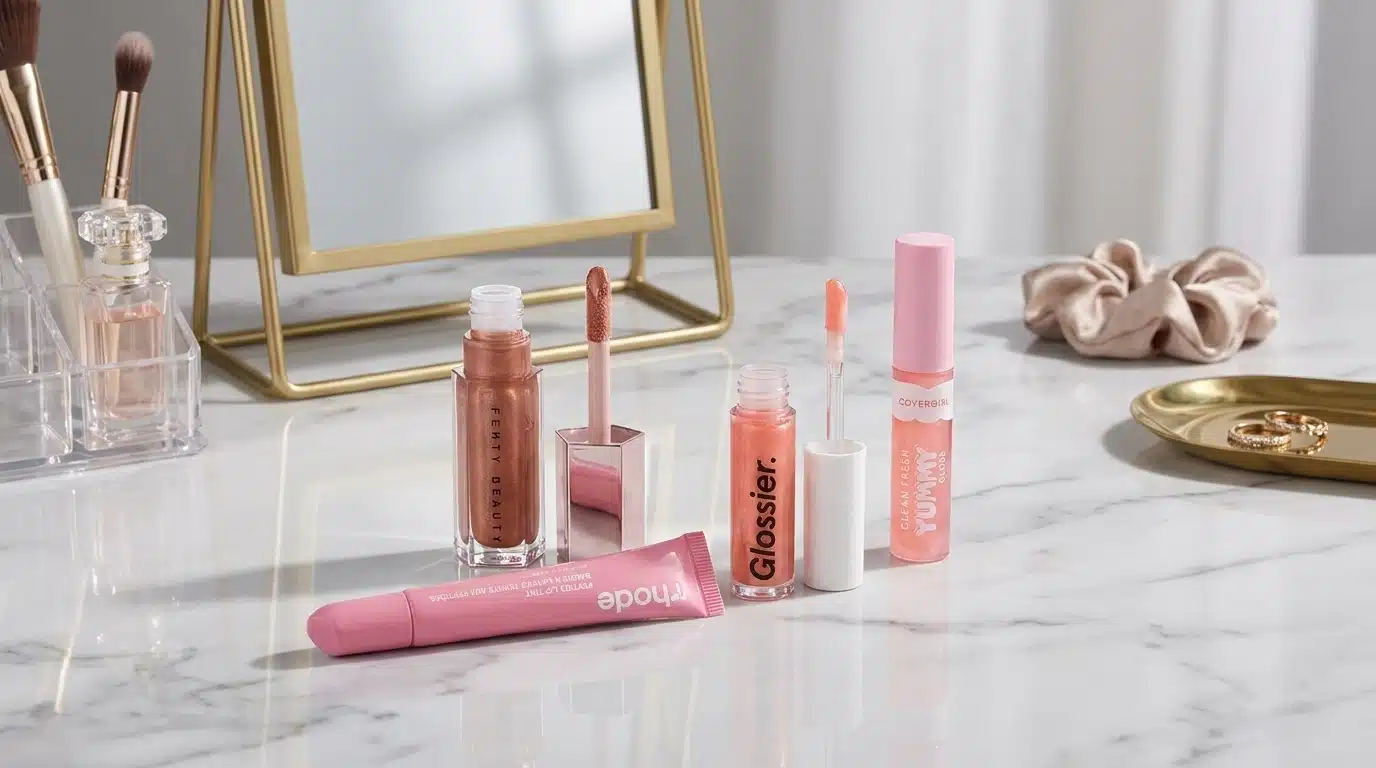
Lip gloss never really left, but it’s back in a bigger, glossier way, leaning hard into nostalgia while still keeping up with skincare-obsessed, ingredient-conscious shoppers.
- Gloss Bomb Oil (Rose Nude): Fenty Beauty gloss became one of the brand’s best-selling shades, eventually spinning off into new universal formulas.
- Rhode Ribbon Peptide Lip Tint: Haley Bieber’s brand built beyond lip tints; its nourishing lip gloss with peptides and shea butter has become one of the brand’s most popular products.
- Glossier Glassy High-Shine: A longtime cult favorite, often mentioned right alongside Rhode and Summer Fridays in gloss comparisons for its hydrating, less-sticky lip oil-gloss hybrids.
- CoverGirl Clean Fresh Yummy Gloss: proof gloss doesn’t have to be luxury-priced, with its Clean Fresh Yummy Lip Gloss trending for a dewy, long-lasting finish.
Whichever of these ends up in your bag, it says something gloss right now isn’t just makeup; it’s a whole aesthetic statement, somewhere between Y2K nostalgia and “I woke up like this” glam.
How Social Media Turned Lip Oil Into a Personality Trait
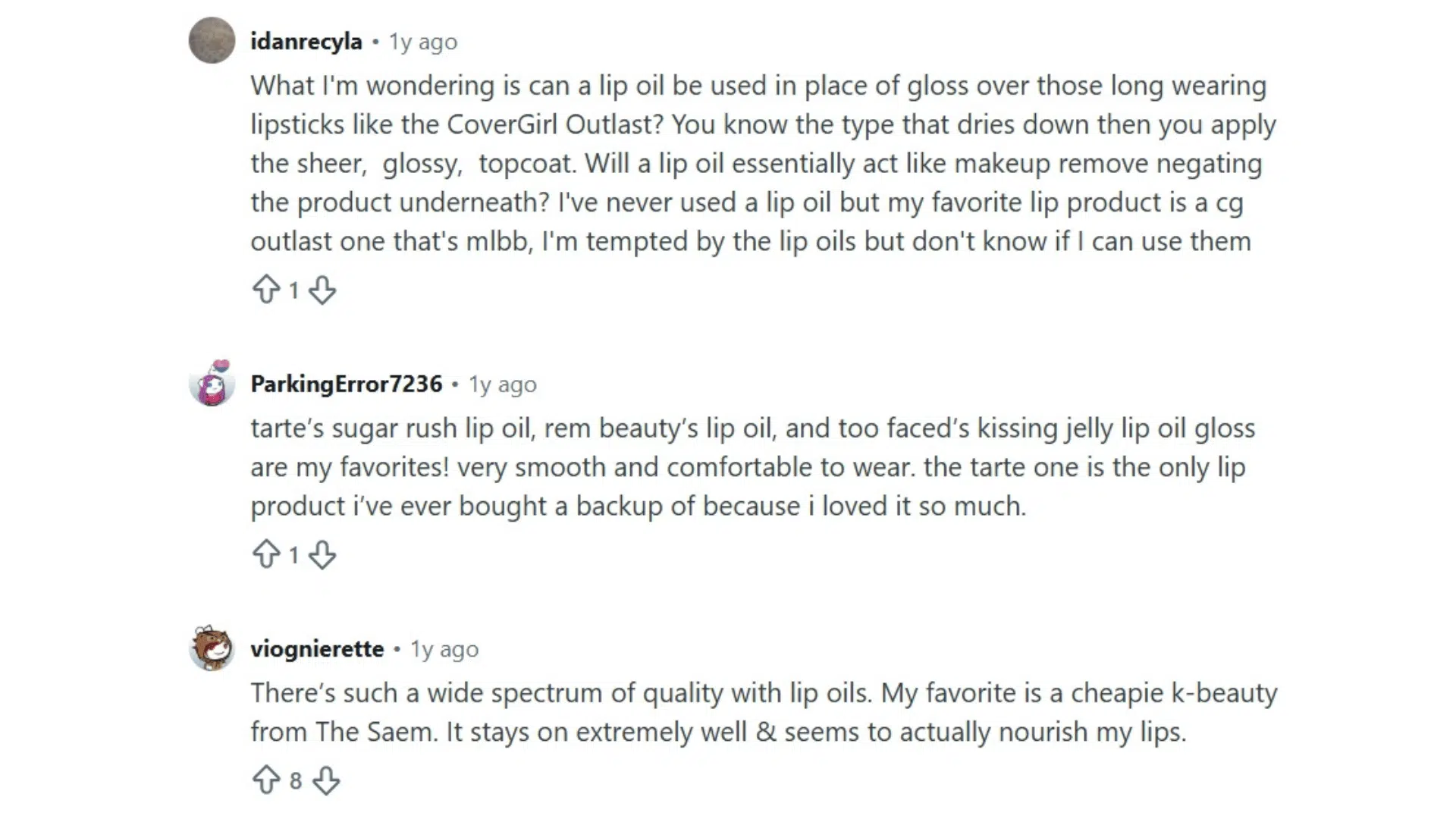
Somewhere between the “clean girl” look, a Reddit thread or two, and a hundred “get ready with me” videos, lip oil stopped being just a product and became a whole vibe.
Scroll through any comment section, and you’ll see the same sentiment on repeat: something like “lip oil is the only makeup step I actually enjoy” or “if my lips aren’t glossy, am I even trying?”
It’s less about looking done-up and more about looking effortless, which is basically the whole Gen Z beauty philosophy in one sentence. There’s also the ritual of it: swiping it on between classes, before a video call, or right after a coffee run, almost like a mini reset button for the day.
Lip gloss had its main character moment in the Y2K era, but lip oil feels built for right now: low effort, high payoff, and just enough shine to feel like main character energy.
Precautions to Keep in Mind
Before applying lip oil or lip gloss, check the ingredients, product condition, and SPF protection to reduce irritation and keep sensitive or chapped lips comfortable.
- Check for irritants: Fragrance, menthol, mint, cinnamon, and citrus flavoring may irritate sensitive or chapped lips.
- Watch for reactions: Stop using the product if you notice persistent burning, redness, swelling, stinging, or peeling.
- Avoid sharing: Shared applicators can transfer bacteria, saliva, and makeup residue between users.
- Choose gentle formulas: Fragrance-free products may be more suitable if your lips react easily.
- Check for SPF: Lip oil and gloss do not protect against sunlight unless an SPF rating appears on the label. UV exposure can cause sunburned lips and peeling, especially when the skin is already dry or irritated.
- Apply sun protection: The American Academy of Dermatology recommends a non-irritating lip balm with SPF 30 or higher outdoors.
Stop using any lip product that causes ongoing discomfort and speak with a dermatologist if the reaction does not improve.
Final Thoughts
At the end of the day, the lip oil vs. lip gloss debate isn’t really an either-or situation; it’s about matching the product to what you actually need.
Lip oil is the better pick if you’re after moisture, comfort, and something easy to wear every single day. Lip gloss is the one to reach for when you want serious shine and a more done-up makeup look.
So really, the “right” choice comes down to your lips, your routine, and the finish you’re going for. And if you can’t decide? Nothing is stopping you from keeping both in your bag.
Ready to find your perfect match? Explore our full range of lip oils and glosses and treat your lips to the shine they deserve.
Frequently Asked Questions
Is Lip Oil Just Glorified Lip Gloss?
No, they both give you shine, but the formulas are built with different goals: lip oil leans into oils and hydration, while gloss is mostly about creating shine on the surface.
Are Lip Oil or Lip Gloss Safe for Sensitive or Easily Irritated Lips?
Most formulas are gentle, but ingredients like fragrance, menthol, or certain oils can occasionally irritate, so it’s worth doing a patch test if your lips tend to react easily.
How Can You Tell if Lip Oil or Lip Gloss Has Expired?
Check the package-after-opening symbol for the recommended usage period. Replace the product sooner if its smell, color, consistency, or taste changes, or if the formula separates and does not mix again.
How Do You Remove Lip Oil or Lip Gloss?
Wipe away the product with micellar water or a gentle oil-based makeup remover. Follow with a mild cleanser if needed, then apply a fragrance-free balm to keep the lips comfortable.