
Forehead bumps are one of the most annoying skin issues to deal with. They tend to stay longer than expected and feel harder to fix than regular breakouts.
You may not always see them clearly in photos, but the texture is easy to feel. That rough, uneven skin just won’t smooth out, even after trying different products again and again.
It can also make the skin look dull and feel slightly irritated without any clear reason. This is where a bumpy forehead becomes frustrating.
It sits there, does not go away quickly, and makes the skin feel uneven even when everything else looks fine.
In this blog, you will get a clear idea of what causes these bumps, how to reduce them fast, and how to keep the skin smooth over time using simple steps that actually work.
What is a Bumpy Forehead?
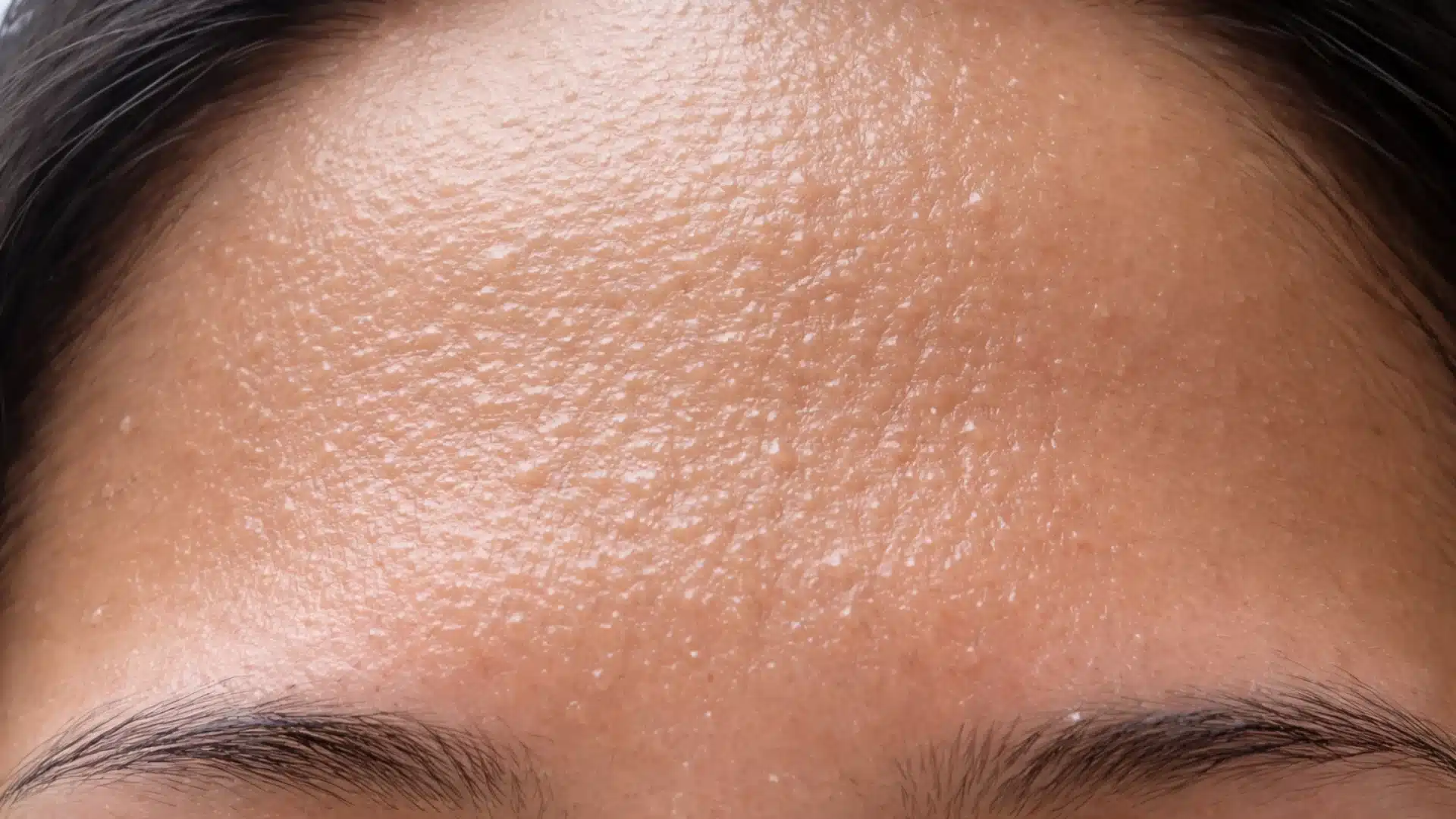
A bumpy forehead is when the skin has an uneven and rough texture. It does not always look red or irritated.
In many cases, it just feels like tiny raised bumps under the skin that never fully come to the surface; moreover, these bumps are not the same as regular acne. Typical breakouts are easier to spot. They look red, inflamed, and sometimes feel painful.
Forehead bumps are more subtle. They sit just below or on the surface and usually spread across a larger area rather than appearing in one or two spots.
Most of the time, this texture falls into a few common types. It can be clogged pores that never surface, tiny keratin bumps, or even reactions to products.
This is especially common when using makeup or skincare that is not formulated for sensitive or acne-prone skin – switching to gentler options can help reduce this kind of texture over time.
In some cases, it is fungal acne, which is actually caused by yeast in the hair follicles and not traditional acne.
Fungal acne often appears as small, similar-sized bumps that may itch, and it tends to get worse with heavy creams or oily products.
This is also why the texture can feel worse than it looks. It is more noticeable to the touch than to the eye, but that does not make it any less real.
What Causes Forehead Bumps
Understanding the cause makes forehead bumps much easier to manage. Once the trigger becomes clear, choosing the right treatment and skincare routine usually feels more straightforward.
- Excess oil and clogged pores: These are the most common reasons. The forehead is part of the T-zone, which produces more oil than other areas of the face. When this oil mixes with dead skin, it blocks pores and forms small bumps under the skin.
- Sweat and hair products: Often ignored, they play a big role. Hair sits close to the forehead, and products like oil, conditioner, or styling creams can transfer to the skin. Add sweat, and it creates the perfect setup for clogged pores. When bumps show up near the hairline, it is often linked to this.
- Follicle-related skin conditions: According to the National Institute of Arthritis, follicle-based skin conditions can be easily confused with standard acne, making it important to identify the type before starting treatment.
- Fungal acne: another cause. It grows in warm and humid conditions and feeds on oils. If regular acne treatments are not helping, this could be the reason.
- Hormonal changes: Hormones also affect oil production. Changes during certain times can trigger more breakouts, especially if the pattern repeats.
- Skincare habits matter, too. Not cleansing properly, using heavy creams, or skipping exfoliation can lead to buildup over time.
- Diet and lifestyle: They also play a part. High sugar intake, dairy, stress, and poor sleep can all increase oil production.
- Friction and trapped heat: Friction is another factor. Wearing caps or headbands can often trap heat and irritate the skin, leading to more bumps.
Quick Ways to Reduce Forehead Bumps Fast
Forehead bumps can show up from clogged pores, sweat, oil, or product buildup, but a few simple skincare changes can help calm them down and improve skin texture faster.
1. Use a Gentle Cleanser

A gentle cleanser is one of the first steps to clear forehead bumps. Washing your face twice a day helps remove excess oil, dirt, sweat, and daily buildup that can sit on the skin and clog pores over time.
If your skin gets oily or tends to texture easily, a mild salicylic acid cleanser can be especially helpful because it works deeper inside the pores rather than just cleaning the surface.
The key is to keep things balanced. A cleanser should leave your skin feeling fresh, not tight or dry.
If your face feels stripped after washing, it can push your skin to make even more oil, which may lead to more bumps. Stick with a formula that feels light, simple, and non-irritating, so your skin barrier stays healthy while the bumps slowly settle.
2. Add Targeted Treatments

Once cleansing is in place, targeted treatments can help speed things up. Ingredients like salicylic acid and benzoyl peroxide are commonly used because they help unclog pores and reduce acne-causing bacteria.
Salicylic acid is usually better for small forehead bumps and texture, while benzoyl peroxide can help more when the bumps are inflamed or more acne-like.
It is best to start slowly rather than use too much too soon. Applying a treatment a few times a week gives your skin time to adjust and lowers the chance of dryness, peeling, or irritation.
As your skin becomes more comfortable, you can increase how often you use it. Consistency matters more than using strong products all at once.
3. Avoid Heavy Products

Heavy creams, thick sunscreens, and rich facial oils can sometimes make forehead bumps worse, especially if your skin is already oily or acne-prone.
The forehead tends to collect more sweat and oil than other parts of the face, so heavy products can sit there longer and lead to clogged pores or uneven texture.
Switching to lightweight, non-comedogenic products can make a noticeable difference. A gel moisturizer is often a better choice because it keeps the skin hydrated without feeling greasy or leaving behind a thick layer.
The same goes for sunscreen and makeup. Lighter formulas can help your skin breathe better and reduce the chances of new bumps showing up.
4. Manage Hair and Sweat
Hair and sweat are often overlooked causes of forehead bumps. If your hair rests on your forehead throughout the day, natural oil from the scalp can transfer onto the skin.
On top of that, styling products like serums, dry shampoo, leave-in creams, and hairspray can easily touch the forehead and clog pores without you even noticing it.
Sweat can also make things worse when it mixes with oil and dirt on the skin. After sweating, rinse your face or gently cleanse the area as soon as possible.
Keeping hair off the forehead, especially while sleeping or working out, can also reduce contact and prevent more bumps from forming. Even small habits like changing pillowcases often can help keep the area cleaner.
5. Reduce Inflammation

If the bumps look red, irritated, or swollen, calming the skin can help them look less noticeable. Wrapping ice in a clean cloth and holding it gently against the area for short periods can reduce temporary redness and make the skin feel more comfortable.
This can be useful when the bumps suddenly flare up or feel sore. Still, it is important to know that ice is only a short-term fix.
It will not clear clogged pores or fully remove the bumps on its own. What it can do is reduce visible irritation while your regular skincare routine does the actual work of clearing the skin.
When combined with gentle cleansing, the right treatment, and lighter products, it can help the skin look calmer while it heals.
Mistakes That Make Forehead Bumps Worse
Some habits look harmless but can slow down results. Fixing these small mistakes often helps more than adding new products or changing your routine too often.
- Over-exfoliating: Using scrubs too often or layering acids damages the skin barrier. This makes the skin produce more oil, leading to more bumps rather than improving texture.
- Using too many products: Trying multiple products at once creates confusion. It becomes difficult to track what is working, and this often leads to irritation and more breakouts.
- Ignoring hair care: Hair oils, conditioners, and styling products can transfer to the forehead. This buildup clogs pores and increases the chances of bumps forming near the hairline.
- Touching or picking skin: Constantly touching or picking skin can spread bacteria and worsen irritation. It can also push debris deeper into pores and leave marks that take longer to fade.
- Using the wrong sunscreen: Some sunscreens clog pores and trigger breakouts. Switching to a lightweight, non-comedogenic formula helps prevent new bumps from forming.
When to See a Dermatologist
Home care works in many cases, but some signs indicate that basic routines are not enough and that expert help is needed.
If bumps persist for 8 to 12 weeks or more, even after following a consistent routine, getting a proper diagnosis can help. The exact cause can vary, and each type needs a different treatment approach.
Pain, fast spreading, or signs of scarring should not be ignored. These situations often need stronger treatments that are not available over the counter and work more effectively.
If fungal acne is suspected and regular antifungal products have not helped after a few weeks, stronger medical options may be needed to properly control it.
Some bumps, like milia, do not respond to creams at all. These usually need to be removed by a professional in a safe, controlled manner.
Seeing a dermatologist is simply choosing the right solution at the right time.
Conclusion
A bumpy forehead can feel frustrating, but it is usually manageable once the cause is clear. Most of the time, it comes down to excess oil, product buildup, or small habits that go unnoticed.
Fixing it does not require complicated routines. A simple approach with the right products, better hygiene, and a bit of consistency can make a visible difference over time.
Understanding the type of bumps also matters. What works for clogged pores may not work for fungal acne or milia.
That is why paying attention to patterns and how your skin reacts is important. Small changes like adjusting skincare, managing hair products, and avoiding overdoing treatments can go a long way.
If nothing seems to improve, getting expert help is a smart step, not a last option. What has actually worked for your forehead bumps so far? Drop your experience or tips in the comments below.
Frequently Asked Questions
How Long Does It take to Get Rid of Forehead Bumps?
With a consistent routine, improvement usually shows within two to four weeks. More stubborn cases can take up to twelve weeks. If there is no change after about 8 weeks, getting a proper diagnosis is helpful.
Can Forehead Bumps be Caused by Stress?
Yes, stress can increase oil production and inflammation. Breakouts linked to stress often occur during high-pressure periods and may resolve once things settle.
Is it Okay to Use Makeup Over Forehead Bumps?
Yes, but the products should be non-comedogenic. Removing makeup properly every night is important to prevent buildup inside pores.
What is the Difference Between Milia and Forehead Acne?
Milia are small, hard, white bumps that do not respond to acne treatments. They are caused by trapped keratin, not oil or bacteria.
Can Forehead Bumps Come Back After Clearing?
Yes, if the main cause is not addressed. Staying consistent with skincare and avoiding triggers helps prevent them from returning.