A fresh hair appointment often starts with excitement and ends with second-guessing.
The moment a stylist asks whether you want partial vs full highlights, confusion sets in.
Photos online make every option look effortless, yet real life feels different when maintenance, hair texture, and everyday styling come into the picture.
Having spent years watching clients choose the wrong technique for their lifestyle, I can say that the decision almost always comes down to two things: how visible you want the change to be, and how often you are willing to sit in that chair.
Sometimes the goal is not a dramatic makeover at all. It is simply wanting hair that catches the light better, frames the face softly, or feels more polished without looking overdone.
Hair color choices can quietly affect confidence in ways most people do not expect.
What are Hair Highlights?
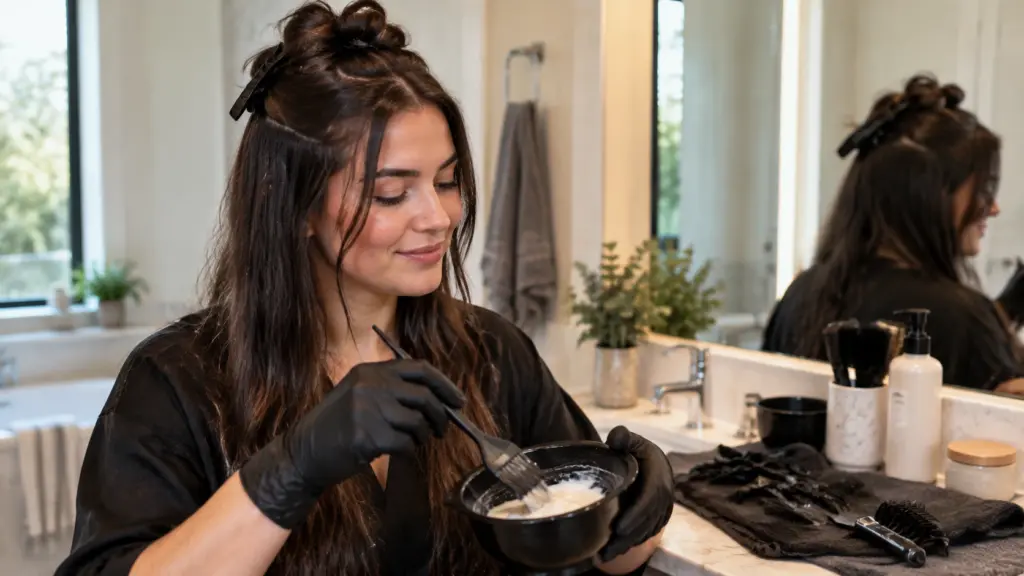
Hair highlights are a coloring technique that lightens selected strands of hair to add dimension, brightness, and contrast.
Instead of changing the entire hair color, highlights focus on certain sections to create a more natural and textured look.
Stylists usually apply highlights using foils, balayage, or other placement methods depending on the desired result.
Foil highlights give precise, controlled placement; balayage creates a softer, blended finish; babylights use ultra-fine sections to mimic natural childhood color variation.
Highlights can be soft and subtle or bold and dramatic, based on the color chosen and how much hair is lightened.
They are commonly used to brighten the face, add movement to flat hair, or create a sun-kissed effect. Hair highlights can work on blonde, brown, black, and even red hair tones.
Understanding Partial & Full Hair Highlights
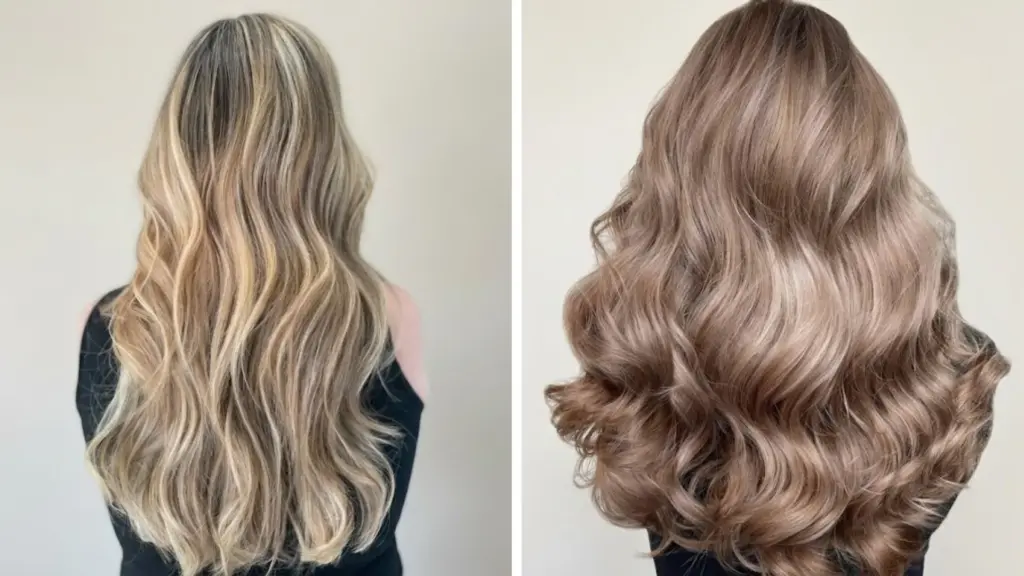
Partial and full hair highlights are two popular coloring techniques that create dimension and brightness in the hair, but they differ in placement and overall effect.
Partial highlights focus on specific sections of the hair, usually the top layer, crown, and front pieces around the face, covering roughly 40-60% of the total hair.
Full highlights are applied throughout the entire head, including the underneath sections, covering approximately 80-90% of the hair for a brighter and more dramatic transformation.
How your cut shapes the result matters more than most people expect. The same highlight placement can look entirely different depending on whether your hair is layered, cropped, or worn long and straight.
If you are also deciding between balayage or foil highlights on dark hair, that choice overlaps closely with the partial vs full decision, since balayage is nearly always applied as a partial technique rather than a full-head service.
Both techniques can be customized to suit different hairstyles and personal preferences.
Partial vs Full Highlights: Key Differences Explained
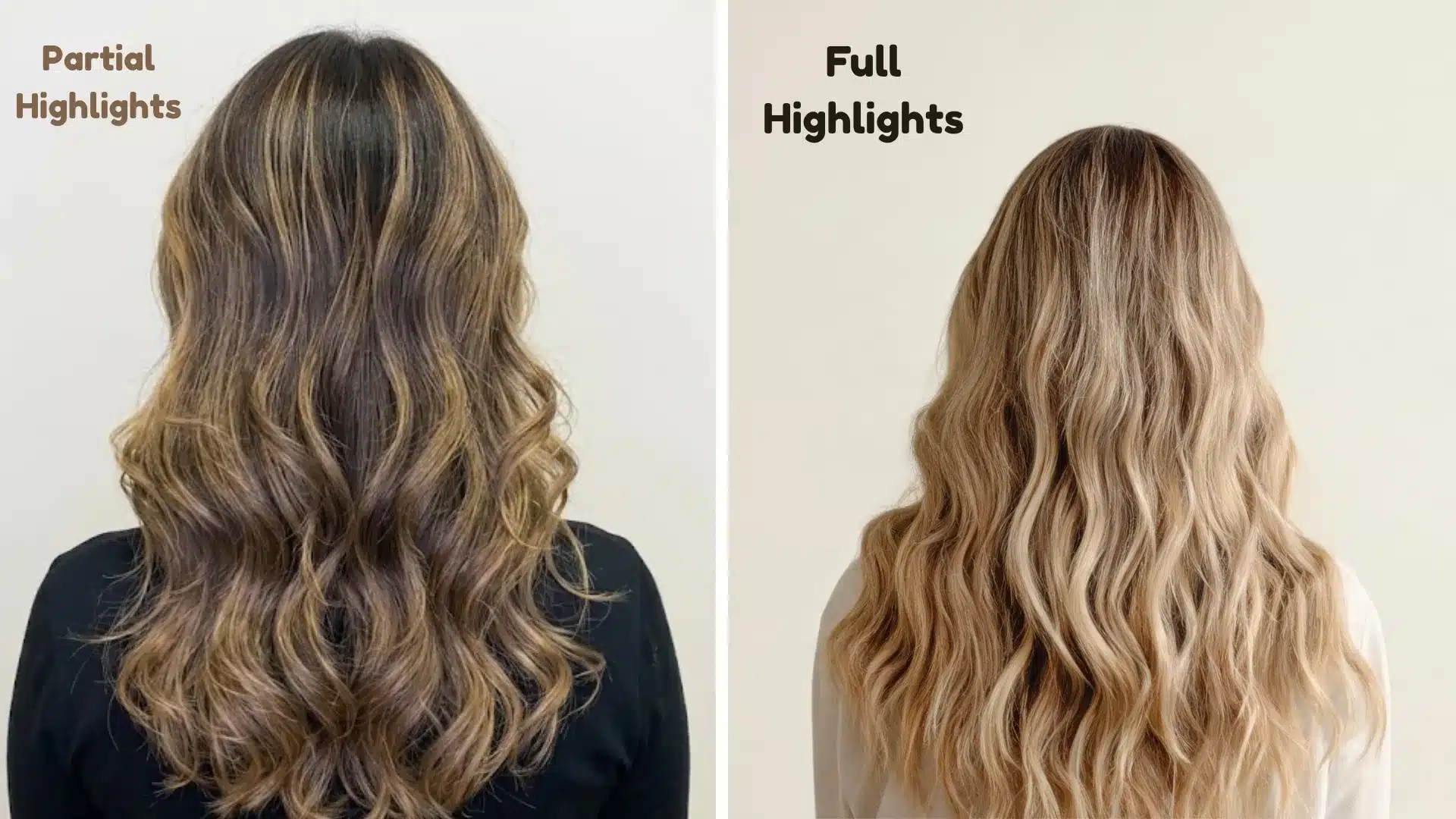
Partial and full highlights may seem similar at first, but they create very different results. Some people prefer a subtle dimension that blends easily with natural hair color, while others want a bold transformation that stands out more.
1. Coverage Difference
Partial highlights are applied only to selected sections of the hair, usually around the crown, top layers, and face-framing pieces.
The underneath hair often stays natural, which creates a softer blend.
Full highlights cover the entire head, including the back and lower layers, giving the hair an even lighter appearance from every angle.
Imagine partial highlights as natural ribbons of brightness, while full highlights create an all-over lighter and more dimensional effect throughout the hair.
2. Difference in Final Look
Partial highlights usually create a softer and more natural result. They add dimension and brightness without making the hair look heavily colored.
This option works well for people who want a subtle refresh. Full highlights create a brighter and bolder appearance because more hair is lightened throughout the head.
The transformation is much more noticeable, especially on darker hair. Full highlights also give more styling versatility: braids, curls, and waves read as more dimensional because there is contrast at every layer, not just the top.
3. Maintenance Comparison
Partial highlights are easier to maintain because the grow-out looks softer and blends more naturally with the base hair color.
Many people can wait around 8 to 12 weeks before needing a touch-up.
Full highlights usually require more upkeep since lighter roots become noticeable faster.
Most salon visits for full highlights happen every 6 to 8 weeks to keep the color fresh and even. Maintenance also depends on hair growth, toner use, and how bright the highlights are.
4. Cost Comparison
Full highlights typically start around $150 and up, while partial highlights often begin around $115, though both vary by salon, hair length, and technique.
The difference might seem small per appointment, but it adds up across the year. If you are getting highlighted every 10 weeks, a $35 difference becomes roughly $180 annually.
Full highlights usually cost more because they require extra product, more foils, and longer salon appointments.
Since the stylist works on the entire head, the service takes more time from start to finish. Partial highlights are generally cheaper because fewer sections are lightened.
5. Hair Damage Comparison
Any type of highlighting can cause some dryness because the hair goes through a lightening process.
The full highlights process more hair overall, which can increase the risk of dryness, breakage, and rough texture if proper care is not followed.
Partial highlights are often gentler because less hair is chemically treated during the appointment. Good aftercare is important for both options.
Using moisturizing products, limiting heat styling, and scheduling regular conditioning treatments can help keep highlighted hair healthy and smooth.
6. Salon Time Comparison
Partial highlights usually take about 1.5 to 3 hours, depending on hair length, thickness, and the number of sections being lightened.
Full highlights often take 3 to 5 hours because the stylist works throughout the entire head.
Thick or very long hair can increase the appointment time for both services since more sections need to be colored and processed.
Extra steps like toning, root blending, or styling can also make the salon visit longer, especially for full highlight appointments.
What are Face Framing Highlights?
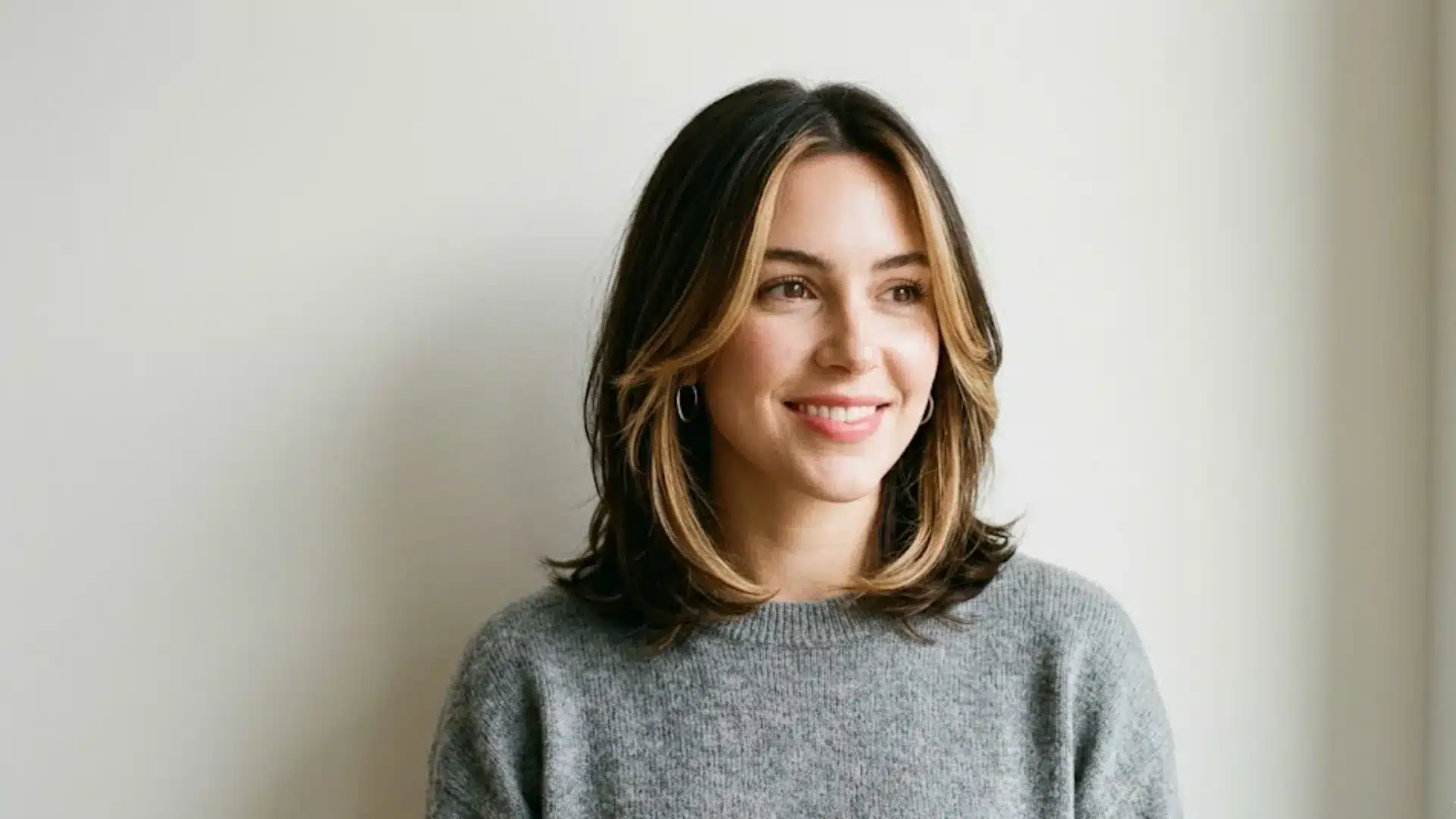
Face framing highlights are a targeted subset of partial highlights.
Rather than covering the top half of the head, they focus only on the pieces directly beside the face, from the hairline through to about the cheekbone area.
The effect is a brightness that draws attention upward toward the face without altering the overall hair color.
A popular variation is the money piece, which places a bolder strip of lightness at the very front of the part.
Other variations include soft, blended pieces that are barely detectable and chunky highlights that create a stronger contrast. All fall under the face framing category, just at different levels of intensity.
One thing worth knowing: face framing highlights look noticeably different depending on your face shape and the weight of your cut.
On someone with a round face and blunt fringe, a single bright strip at the front can read as a statement.
On someone with long layers and an oval face, those same pieces just blend into the hair and create a natural glow. Neither is wrong, but it changes how much contrast you are actually signing up for.
If you are also reconsidering your front sections, pairing face-framing highlights with French girl bangs is one of the most popular ways to brighten the face area without committing to color throughout the entire head.
Which Option Should You Choose?
This is the question most people actually arrive with, and the honest answer is that it depends on four things: your current hair color, your desired result, your maintenance tolerance, and the condition of your hair.
Go with partial highlights if:
- You want a subtle, natural-looking refresh rather than a noticeable transformation
- Your hair is fine, damaged, or already processed, and needs minimal additional chemical exposure
- You prefer longer gaps between salon visits (10-12 weeks)
- You’re new to highlighting and want a low-commitment starting point
- You primarily want brightness around your face, not throughout the full length
Go with full highlights if:
- You want a major color change that reads from every angle
- You wear your hair up frequently and want consistent color showing in ponytails or updos
- You have darker hair and want more visible lift throughout
- You have gray hair scattered throughout the head and want more even coverage
- You’re comfortable with 6-8 week touch-up appointments
If you’re still not sure, face framing highlights are a good middle ground. They deliver a noticeable brightening effect around the face with the least maintenance of all three options.
Which Highlight Technique is Best for Different Hair Types?
Some hair types look better with soft dimension from partial highlights, while others benefit from the better and fuller effect of full highlights.
Face framing highlights can also work well for people who want a lighter look around the face without changing the entire head.
| Hair Type | Best Highlight Option | Why It Works Well |
|---|---|---|
| Fine Hair | Partial Highlights | Add softness and dimension without making thin hair look over-processed or flat. |
| Thick Hair | Full Highlights | Help distribute brightness evenly through dense hair and create more visible depth. |
| Curly Hair | Partial or Face Framing Highlights | Strategic placement enhances curl definition and prevents the hair from looking overly bright. |
| Straight Hair | Full Highlights | Create a stronger contrast and make straight hair appear more dimensional. |
| Dark Hair | Full Highlights | Full highlights create a more noticeable lift and help lighter shades stand out better on dark bases. |
| Blonde Hair | Partial Highlights | Maintain natural brightness while adding subtle depth and texture. |
| Short Hair | Face Framing Highlights | Brighten short styles without overwhelming the haircut. |
| Long Hair | Full Highlights | Create movement and brightness throughout the length of the hair. |
| Damaged or Dry Hair | Partial Highlights | Lightening fewer sections reduces stress on already weakened hair strands. |
| Low Maintenance Preference | Partial or Face Framing Highlights | These options grow out softer and usually require fewer salon touch-ups. |
Best Hair Care Tips After Highlights
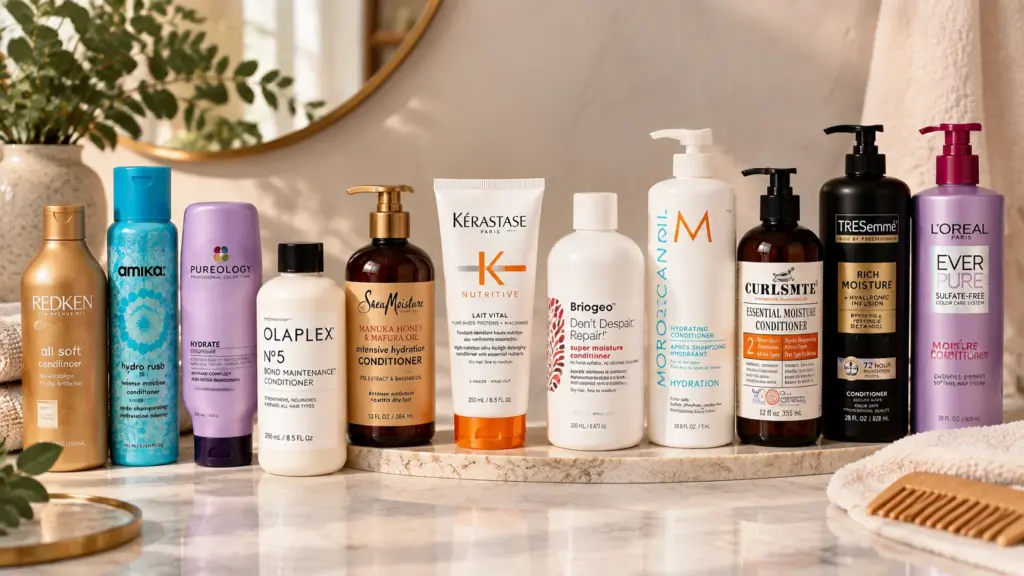
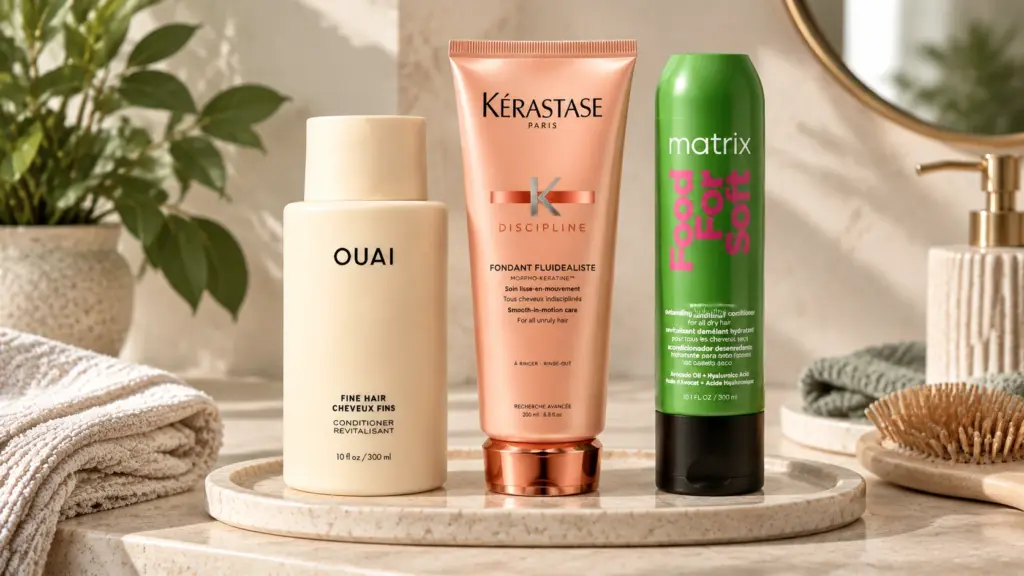
Highlighted hair needs extra care to stay soft, healthy, and bright after a salon appointment. Since the lightening process can remove moisture from the hair, a good hair care routine helps prevent dryness, fading, and brassiness.
- Use Color Safe Shampoo: Choose a sulfate-free shampoo made for color-treated hair to help prevent fading and dryness.
- Limit Heat Styling: Frequent use of flat irons, curling wands, and blow dryers can make highlighted hair feel dry and brittle.
- Use Purple Shampoo for Blonde Highlights: Purple shampoo helps remove yellow or brassy tones and keeps blonde highlights looking cooler and brighter.
- Protect Hair From Sun Exposure: UV rays can dry out highlighted hair and affect the color over time. Wearing a hat or using UV protection products helps.
- Avoid Very Hot Water: Hot water can weaken hair and cause color to fade more quickly. Lukewarm water is gentler on highlighted hair.
- Trim Hair Regularly: Regular trims help remove dry ends and keep highlighted hair looking healthy and fresh.
- Schedule Toner Appointments: Toners help maintain the right shade and refresh highlights between major salon visits.
- Use Lightweight Hair Oils: Hair oils can add shine and reduce frizz without making highlighted hair feel heavy.
- Sleep on a Silk Pillowcase: Silk pillowcases reduce friction and help prevent dryness, tangles, and breakage overnight.
Conclsuion
Partial vs full highlights really comes down to the kind of look and maintenance level that feels right for you.
A good consultation with a stylist can make the decision much easier, especially if you bring reference photos that show exactly what you have in mind.
The best appointment is one where both you and your stylist are on the same page before the first foil goes in.
Have you tried partial highlights, full highlights, or face-framing highlights? Share your experience in the comments below and let others know which option worked best for your hair type and lifestyle.
Frequently Asked Questions
Is Balayage Out Of Style in 2026?
No, balayage is still popular in 2026 because many people prefer its soft and natural blended look. Modern balayage trends now focus more on subtle dimension and low-maintenance color.
What Color Hair Makes a 60-Year-Old Look Younger?
Soft blonde, warm brown, caramel, honey, and dimensional gray blending often make a 60-year-old look younger. These shades add warmth and brightness without appearing too harsh.
Do Partial Highlights Grow Out Well?
Yes, partial highlights usually grow out very well because only selected sections are lightened. The softer placement creates less noticeable roots and reduces the need for frequent salon touch-ups.