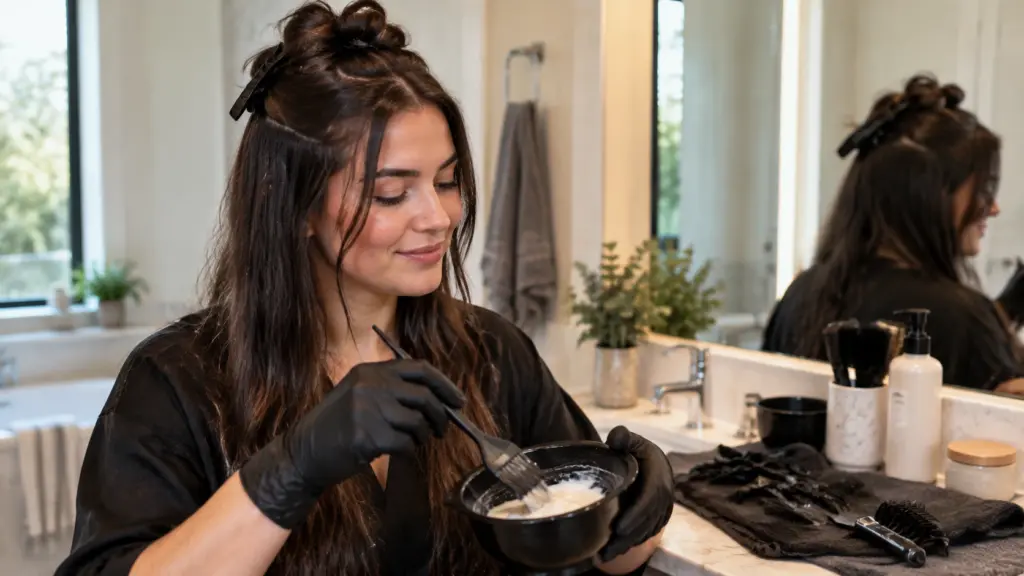
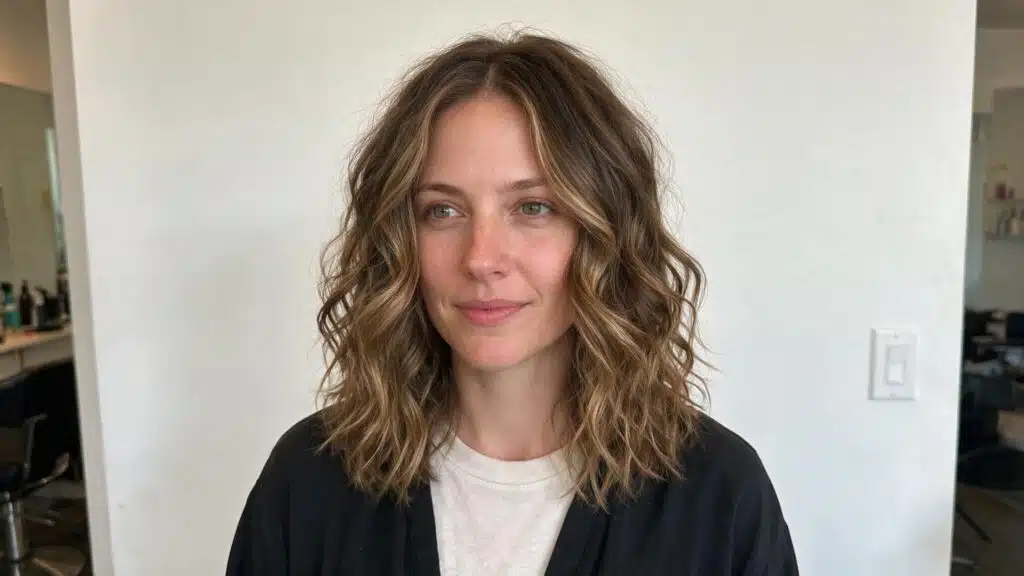
We’ve all seen it at least once. We’ve all wanted it at least once. Loose, bouncy waves that move like water but still look like their natural hair on a good day.
You save it, maybe screenshot it, but when you sit in the salon chair, you can’t actually name the style. That style does have a name: a body wave perm.
It’s one of several types of perms out there, but it’s the one most people want without knowing what to call it.
By the end of this, you’ll know exactly what a body wave perm is, what it looks like on different hair textures, and whether it’s the right choice for your next salon visit.
What is a Body Wave Perm? Explained
A body wave perm is a chemical hair service that reshapes straight or limp hair into loose, rolling S-shaped waves using large perm rods, rather than the tight, defined curl produced by smaller rods. It sits closer to “textured” than “curly” on the perm spectrum, right in the space between wavy versus curly texture.
Stylists typically use larger rods and a perm solution chosen based on the hair’s condition and the desired wave pattern. Larger rods generally produce broader, softer bends, while rod placement affects where the movement appears.
The result can resemble naturally wavy or relaxed beach hair rather than a curling-iron finish. Unlike temporary heat styling, the chemically altered pattern remains through washing and gradually changes as the hair grows and the wave relaxes.
“The biggest misconception I hear in the chair is that a body wave perm will look like a beach wave spray,” Dante says. “A body wave is engineered with rods, so it’s more consistent through the mid-lengths. Beach waves are looser and more irregular by design.”
What Does a Body Wave Perm Look Like?
A body wave perm creates broad, S-shaped bends rather than tight curls. Larger rods produce softer, looser movement that reads as natural rather than curled.
1. Body Wave Perm on Short Hair
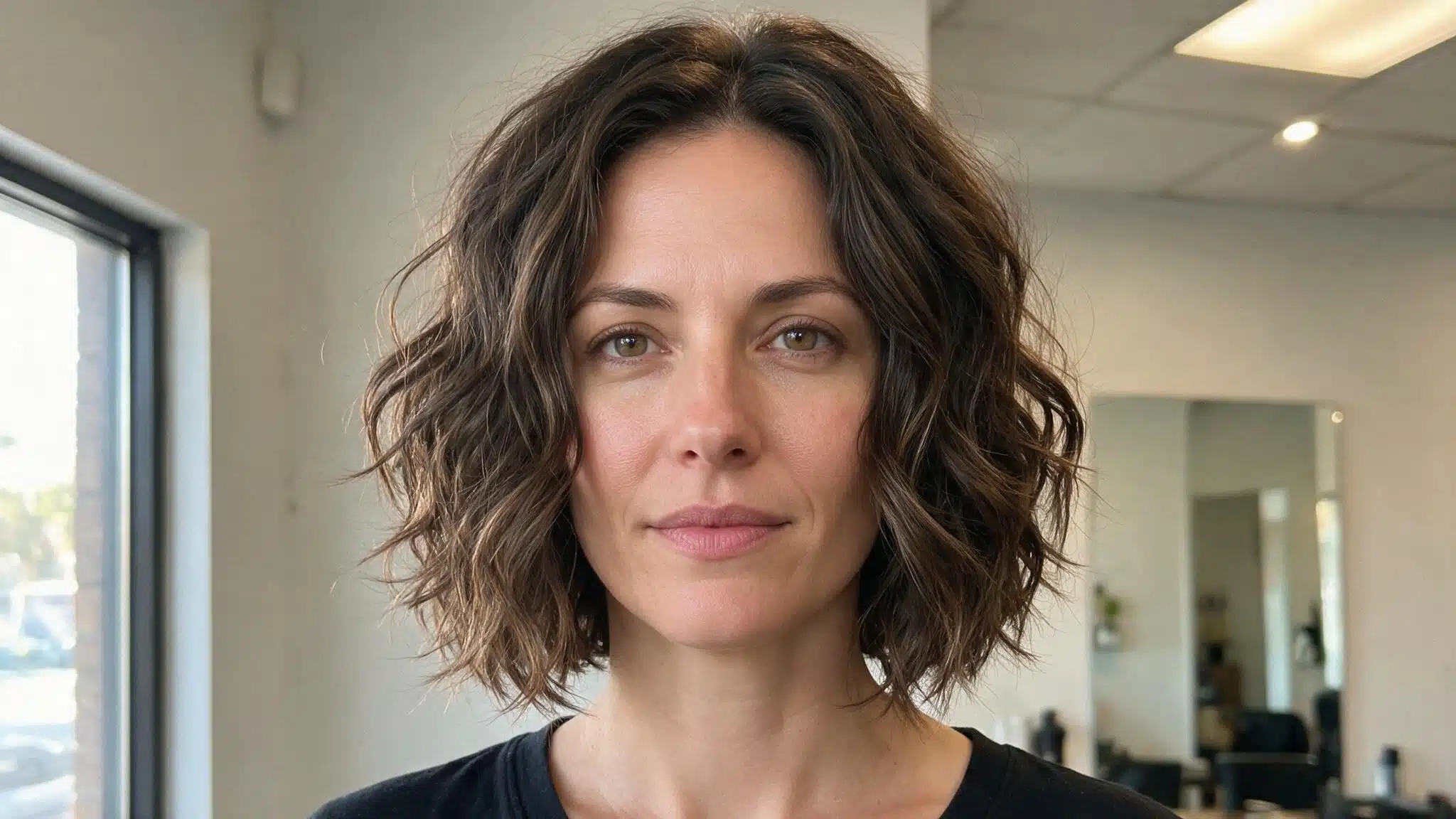
On short hair, a body wave perm usually creates lift, texture, and gentle bends instead of long, flowing waves. Because there is less length for the pattern to travel through, the result can look fuller and slightly tousled.
Strategic layering can make the movement more noticeable, while softer rod placement can keep the finish relaxed rather than making short hair look overly tightly curled.
2. Body Wave Perm on Medium Hair
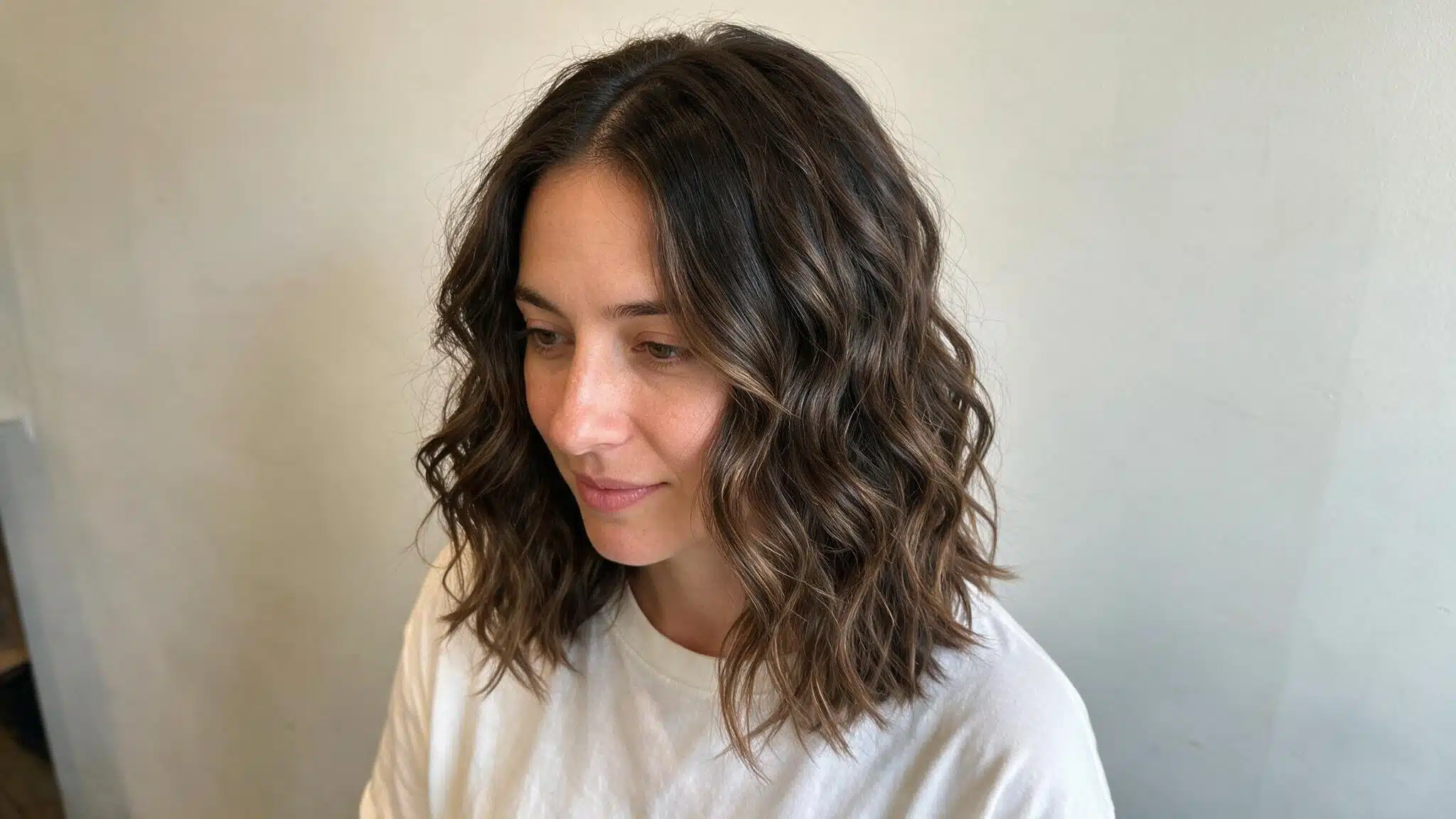
Medium-length hair often shows the classic body wave look most clearly, with loose S-shaped movement that falls naturally around the face and shoulders.
Different layer cuts can make the waves appear lighter, bouncier, and more separated, while blunt cuts may produce a smoother, heavier pattern.
The finished effect depends on rod size, placement, and how much natural texture and density the hair already has before perming.
3. Body Wave Perm on Long Hair
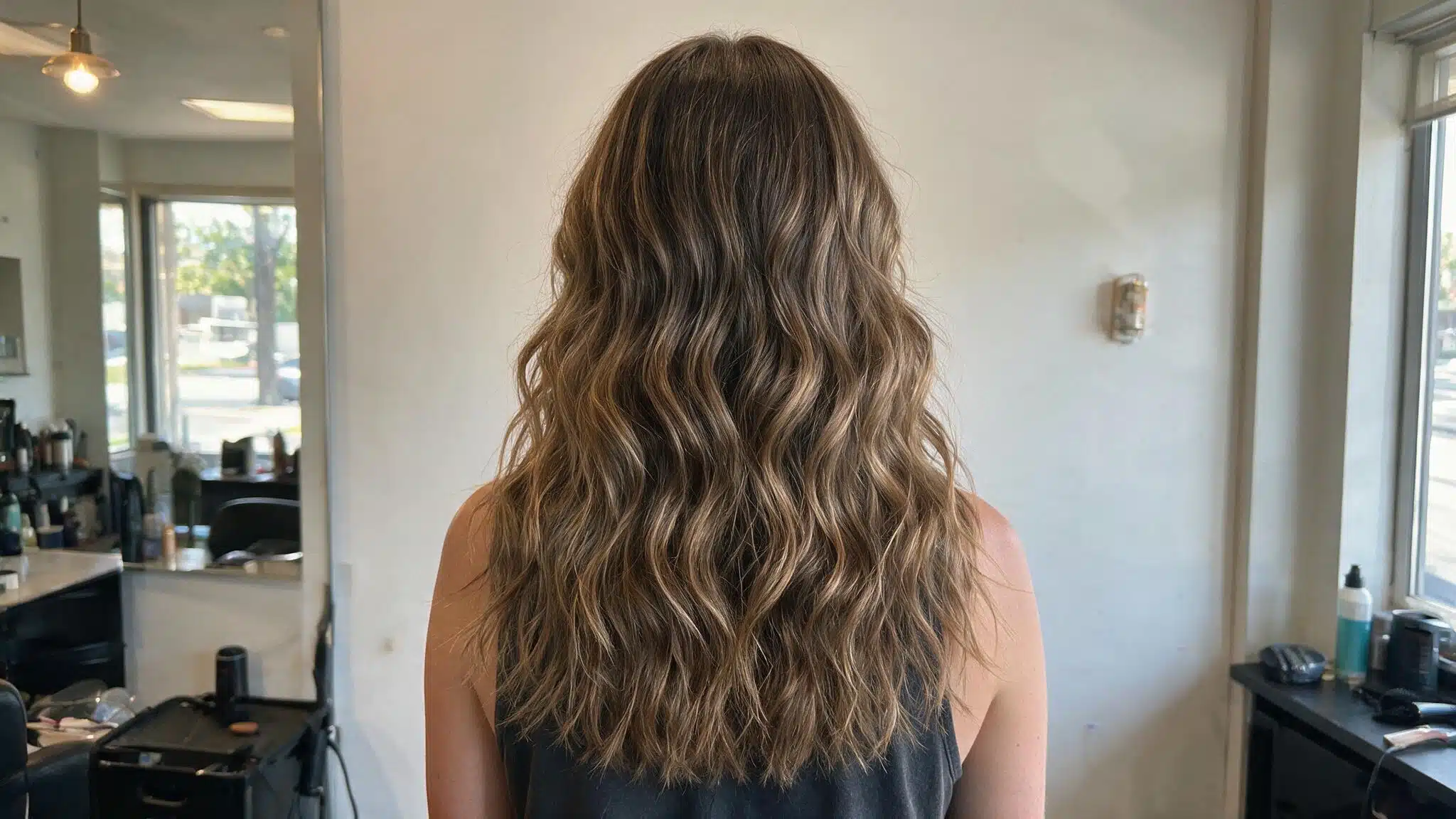
Long hair can develop soft, flowing body waves, but its weight may pull the pattern downward and make the finished result appear more relaxed.
Larger rods create broader bends, while carefully planned layers can help prevent the waves from looking flat through the lengths.
In the chair, this is the length where Dante most often recommends a slightly smaller rod at the mid-lengths, even for a body wave, just to give the weight of long hair something to hold onto.
4. Body Wave Perm on Fine Hair
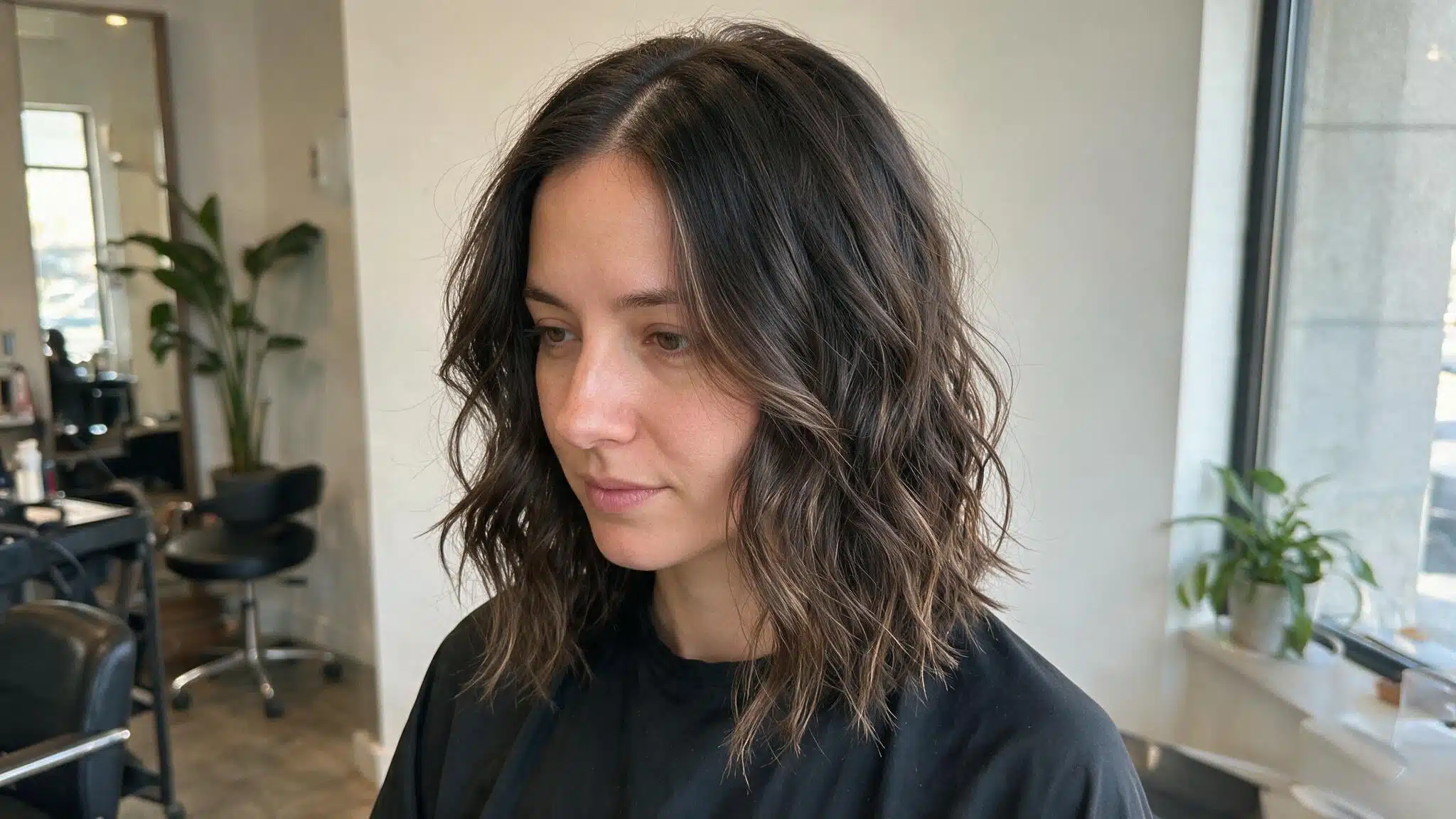
On fine hair, a body wave perm can create the appearance of greater fullness by adding movement, lift, and space between strands. It does not increase the number of hairs or change actual density.
Instead, the wave pattern makes the hair occupy more visual space. A stylist may choose gentler processing and suitable rod sizes to add body without making fine strands look overly stressed.
Across every length and texture, body waves add softness and movement, while consultation helps set realistic expectations for your hair.
Who Is a Body Wave Perm Best For?
A body wave perm works best for someone who wants movement and volume more than defined curls.
It can be especially appealing for straight or flat hair that struggles to hold waves created with a curling iron. Medium and long hair often provide enough length for the broad S-shaped pattern to show clearly, although shorter cuts can also gain useful texture and lift.
A stylist should assess your hair carefully if it is:
- heavily bleached or highlighted
- unusually dry or porous
- prone to breakage
- chemically relaxed or straightened
- repeatedly colored or chemically processed
- already weak through the mid-lengths and ends
Healthy hair is generally a better starting point for any perm because the treatment chemically changes the hair structure. If your hair is already compromised, your stylist may recommend postponing the service, building it back up with a few weeks of richer conditioning treatments first, or choosing another styling option.
How the Process Works
A body wave perm reshapes the hair through a chemical process that breaks and rebuilds bonds inside each strand, while rods help determine the width and placement of the finished waves. Each part of the service affects the final result.
- Preparing the hair: The stylist assesses the hair’s condition and discusses the desired wave size. Hair is normally cleansed and sectioned before being wrapped around rods.
- Wrapping the hair: Larger rods are commonly used for body waves because they create broader bends instead of small, tight curls. Section size, direction, tension, and rod placement can all change the finished pattern.
- Applying the perm solution: The waving solution alters bonds within the hair so the strands can take the shape created by the rods. Processing time and formula depend on the hair and product being used.
- Neutralizing and setting: A neutralizing solution helps reform the altered bonds while the hair is in its new shape, allowing the new wave pattern to remain after the rods are removed.
The entire process may take several hours depending on hair length, density, technique, and the specific perm system used.
Body Wave Perm vs. Other Types of Perms
A body wave perm creates soft, broad movement, while other perms focus on tighter curls, targeted volume, or different processing methods.
| Type | Typical Look | Difference from body wave |
|---|---|---|
| Body wave | Loose waves | Broad movement |
| Beach wave | Tousled waves | Less uniform |
| Spiral | Corkscrew curls | Much tighter |
| Root | Root lift | Targets roots |
| Spot/partial | Localized curl | Selected sections |
| Multi-textured | Mixed curls | Varied patterns |
| Digital | Varies | Heated processing |
| Cold/traditional | Varies | Non-digital processing |
Body wave and spiral describe finished styles, while digital and cold perms describe processing methods. Rod size and technique still shape the final result.
What to Discuss with Your Stylist
A consultation matters before getting a body wave perm because the result depends on your hair’s condition, texture, length, and chemical history.
- Share your chemical history: Tell your stylist about previous coloring, bleaching, relaxing, straightening, or perming treatments. This helps them assess whether repeated processing has already caused chemical damage to hair and whether it can safely handle another chemical service.
- Discuss the exact wave pattern: Explain how soft, loose, or voluminous you want the finished waves. Bring several photos showing similar results on hair close to your own length and texture.
- Ask about rod size and placement: These choices strongly influence whether the finished pattern looks broad and relaxed or more noticeably curled.
- Ask what is realistic for your hair: The same reference photo can look different on fine, thick, short, layered, straight, or previously processed hair.
- Discuss maintenance and risks: Ask how to wash, style, detangle, and protect your hair afterward and what signs of dryness or damage to watch for.
A thorough conversation with your stylist helps you choose a body wave technique that matches your hair condition, texture, maintenance needs, and the soft, natural-looking result you want.
How Much Does a Body Wave Perm Cost?
A body wave perm commonly costs around $80 to $200, though several factors can push that price higher or lower depending on your specific situation.
| Cost Factor | Estimated Cost | Price Impact |
|---|---|---|
| Hair length | $80–$200+ | Short hair usually costs less, while long or dense hair requires more time and product |
| Salon tier and location | 20–50% higher at some premium salons | Big-city and high-end salons may charge more than neighborhood salons |
| Stylist experience | $20–$50 more | Senior stylists or perm specialists may charge higher service rates |
| Add-on treatments | $20–$60 | Deep conditioning or bond-repair treatments can increase the total cost |
| Hair condition | $15–$40 | Previously colored or damaged hair may require extra prep or strengthening treatments |
These figures are general estimates, not fixed pricing, so use them as a starting point rather than an exact quote. Ask the salon for a written estimate based on your hair length, density, condition, and any additional treatments before booking.
Caring for Your Body Wave Perm
A body wave perm can remain attractive for months. Since scalp hair grows at roughly a centimeter per month, proper aftercare helps keep the waves soft rather than dry, frizzy, or flat while the pattern gradually grows out.
Follow your stylist’s instructions about the first wash carefully. Many perm-care recommendations advise keeping freshly permed hair dry and relatively undisturbed for approximately 48 hours.
After that:
- use gentle shampoo suitable for chemically treated hair
- condition regularly to replace moisture
- apply lightweight leave-in conditioner or wave styling products to damp hair
- detangle gently with your fingers or a wide-tooth comb
- avoid aggressively brushing the hair when dry
- limit unnecessary high-heat styling
- protect the hair from excessive chlorine exposure
- avoid piling on heavy products that can weigh loose waves down
Body waves are naturally softer than tight curls, so styling also affects how visible they appear. Scrunching damp hair, air-drying, or using a diffuser can help bring the S-shaped pattern back out after washing.
Is a Body Wave Perm Worth It?
A body wave perm can be worth it if you regularly style your hair into loose waves and want longer-lasting movement without creating tight curls.
It works especially well for straight or flat hair that needs more volume, softness, and natural-looking texture. However, body waves still require maintenance, and the waves may gradually relax as your hair grows.
It may not be the best option if your hair is severely damaged, heavily bleached, or too weak for chemical processing. You should also keep realistic expectations, since the finished result may not look exactly like curling-iron waves every day.
Before booking, show your stylist a few reference photos and ask how the style is likely to look on your specific hair length, texture, density, and condition.
Final Thoughts
A body wave perm gives you soft, natural-looking volume and movement without committing to tight curls or a highly defined pattern. It can make straight or flat hair feel fuller, easier to style, and more relaxed while still keeping the overall look familiar.
Now that you know what the style is called, you can walk into your next salon appointment with clearer expectations and better reference points.
Bring photos, talk through your hair history, and ask how the result may change with your length, texture, and condition. If that loose, wavy finish is what you want, a body wave perm is well worth discussing with your stylist before you book.
Frequently Asked Questions
How Long Does a Body Wave Perm Typically Last?
Most hold their shape for three to six months, depending on hair growth, wash frequency, and the products used.
Can You Straighten Hair After Getting a Body Wave Perm?
Yes, temporarily. Frequent high-heat styling can further dry the hair, so use a heat protectant and keep temperatures moderate.
Does a Body Wave Perm Damage Hair More than Regular Perms?
Not necessarily. It’s still a chemical process, so the looser pattern doesn’t make it automatically gentler than other perm types.
Is a Body Wave Perm a Good Fit for Fine or Thin Hair?
Yes, often. It adds visible fullness and movement without the heavier chemical processing some tighter curl perms require.