A great sew-in can change your whole mood. You leave the salon with length, color, and texture that feel fresh without putting stress on your natural hair.
That’s why sew-in hairstyles always stay in rotation for women who want beauty with flexibility.
From soft body waves to half sew-ins with braids in front or waist-length curls, the right photo can make your next appointment much easier.
This guide covers sew-in hairstyles worth saving, which method fits your lifestyle, and how to keep your install looking fresh, neat, and wearable for longer between salon visits.
Sew-In Hairstyles by Type and Face Shape
Choosing the right sew-in hairstyles starts with the base method and the shape of the face. Some installs give more coverage, while others add movement, width, or length where needed.
Use this table as a simple guide before saving photos for the salon.
| Sew-in Type | Best Match | Face Shape |
|---|---|---|
| Traditional sew-in | First-timers, flexible daily styling | Oval, heart, square |
| Full sew-in | Full protection, no leave-out | Round, oval, oblong |
| Closure sew-in | Natural part, low maintenance | Oval, heart, round |
| Frontal sew-in | Updos, ponytails, full coverage | Round, square, heart |
| Versatile sew-in | Buns, ponytails, style switching | Oval, square, heart |
Choose the Right Hair Texture for Your Sew-in
Choosing the right sew-in texture affects daily styling, blending, and how long the install stays fresh. Match texture, maintenance, occasion, and hair quality before buying.
- Natural texture: Match leave-out with extensions. Yaki straight suits relaxed hair, while kinky curly suits 4C textures better.
- Maintenance level: Straight and body waves are easier. Curly textures need weekly co-washing, mousse, and moisture to avoid matting.
- Occasion: Straight and body wave work for everyday wear. Spiral curls or ombre waves look more photo-ready.
- Hair quality: Remy human hair blends better, lasts longer, and can usually handle multiple installs despite the higher upfront cost.
Sew-in Hairstyles to Inspire Your Next Look
These are the styles that get the most saves. Grouped by texture and length so you can find your fit faster.
1. Body Wave Sew-in
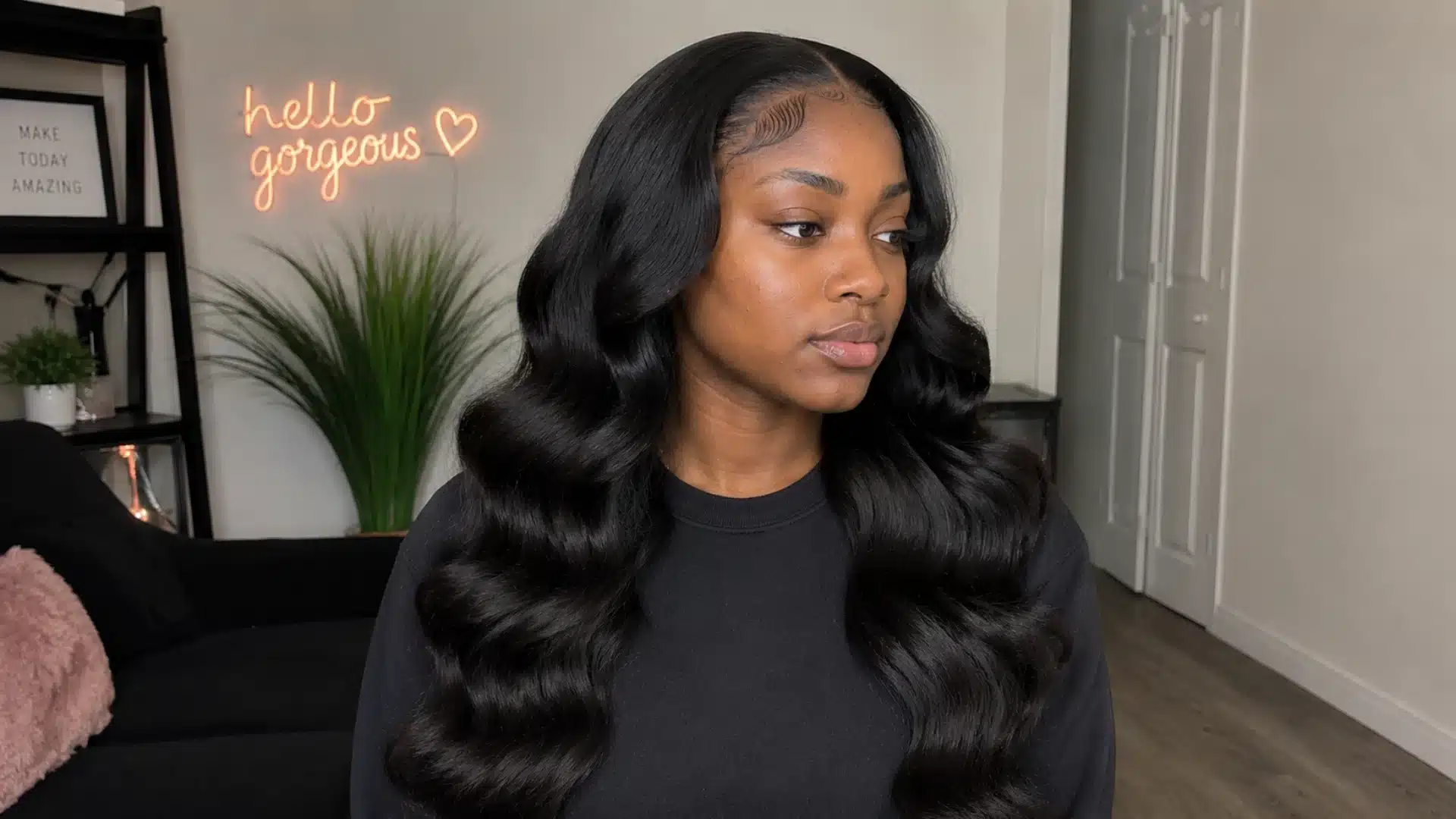
Body wave is the most requested sew-in texture for a reason. The wave is loose, soft, and moves the way real hair does on a good day.
You can wear it down, pull it into a bun, or flat iron it straight mid-week without losing the overall shape.
Two to three bundles cover most installs, and the texture holds up well between washes without much fuss. Body wave sew-in hairstyles cut daily styling time while keeping the finished look clean, current, and easy to wear.
2. Ombre Waves
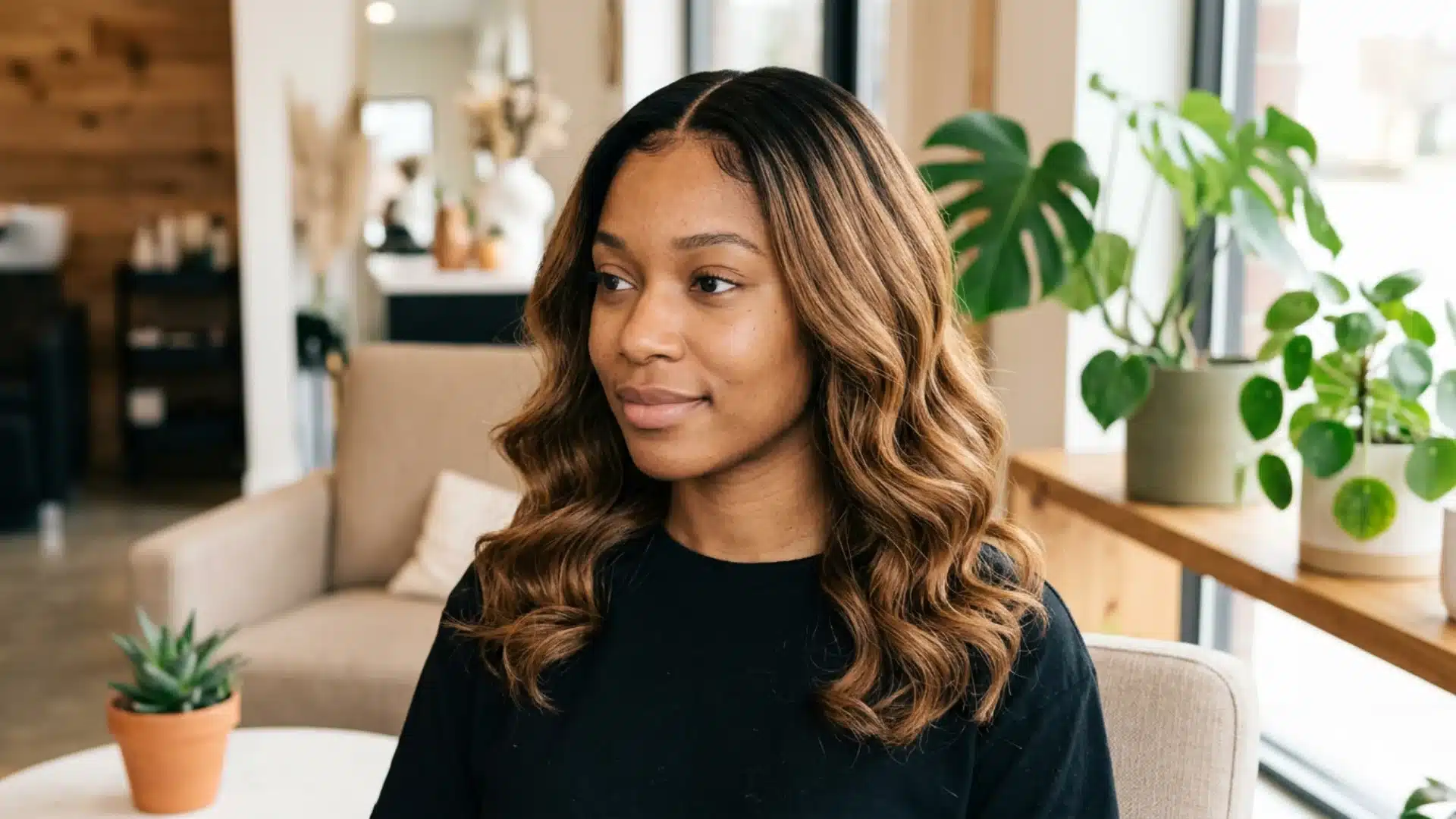
Ombre color is built into the extension bundle, so there’s no bleaching or toning at the salon.
Your natural hair stays completely untouched. The gradient usually runs from a dark root to a lighter mid-shaft, typically brown to caramel or black to blonde.
On a wavy texture, the color catches light differently throughout the day and makes the style look more dimensional.
If you’re weighing other gradient color options for dark hair, it helps to see how ombre compares to balayage before committing to either.
3. Deep Wave Sew-in
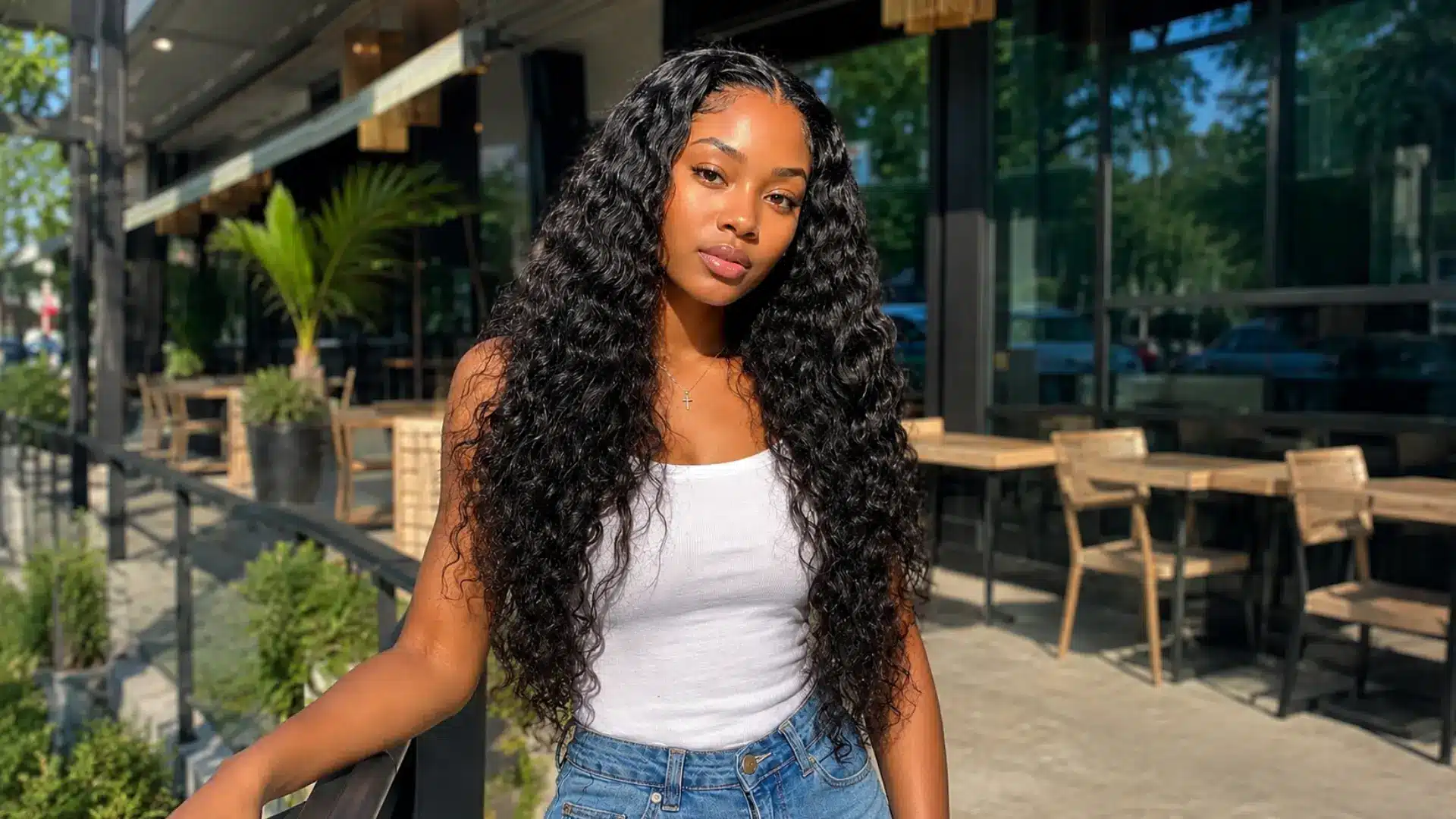
Deep waves give you volume and curl definition at the same time. The wave pattern is tighter than the body wave but still soft enough to read as natural.
A side part with deep-wave extensions works for Monday morning and Friday night without changing anything in between.
Unlike tighter curly textures, deep wave holds its shape longer between washes and doesn’t compress as quickly when you tie it up overnight.
4. Curly Burgundy Sew-in
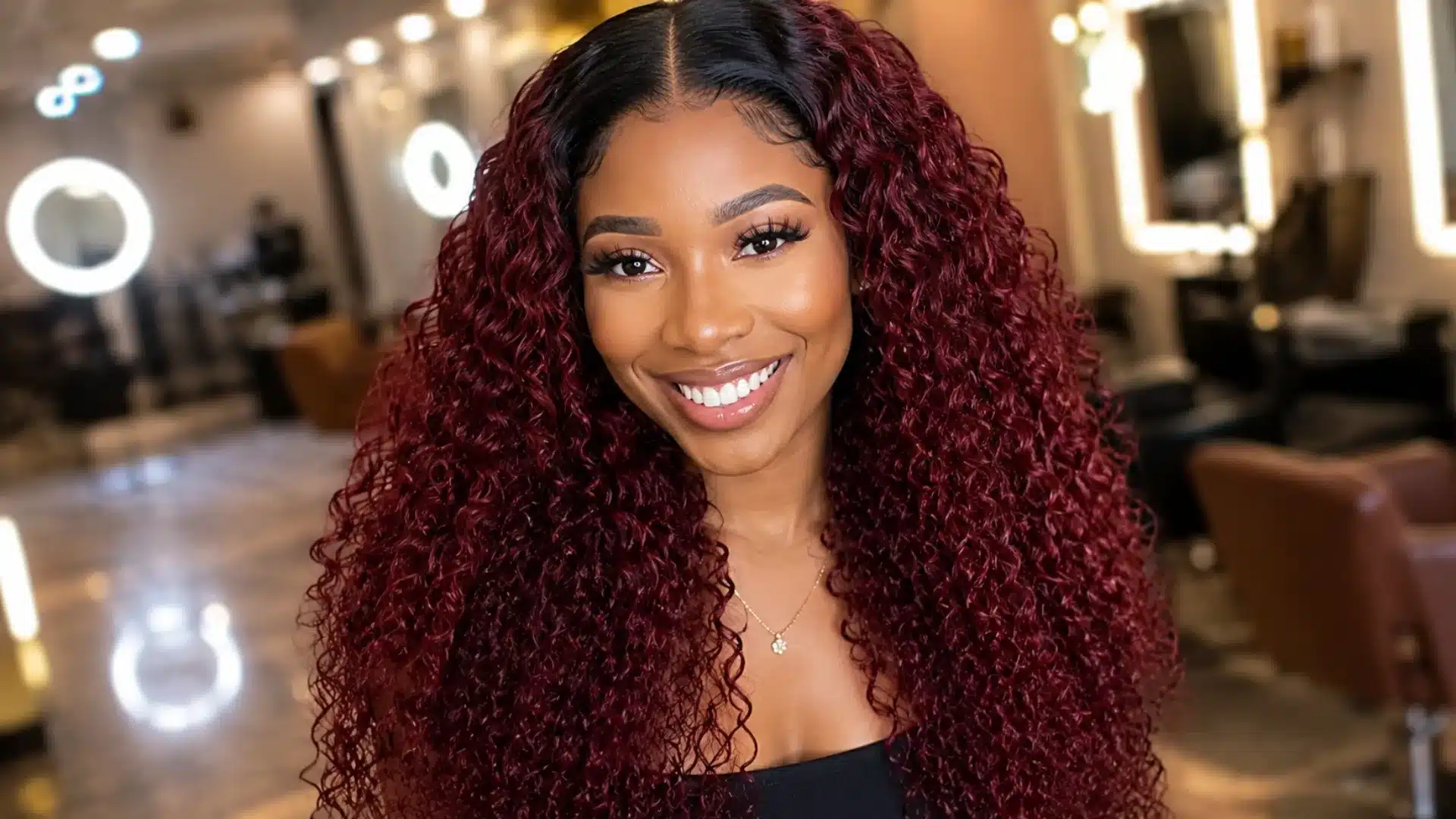
Burgundy on curly extensions has a warmth that flat color does not. The curls catch light from different angles, so the shade shifts between wine, auburn, and deep red depending on where you are.
It brightens the face without needing much makeup to support it, which makes the color feel bold but still wearable.
Full curly bundles in burgundy installed with a closure give you the cleanest finish on this look, especially when you want color without leaving natural hair exposed.
5. Long Caramel Layers
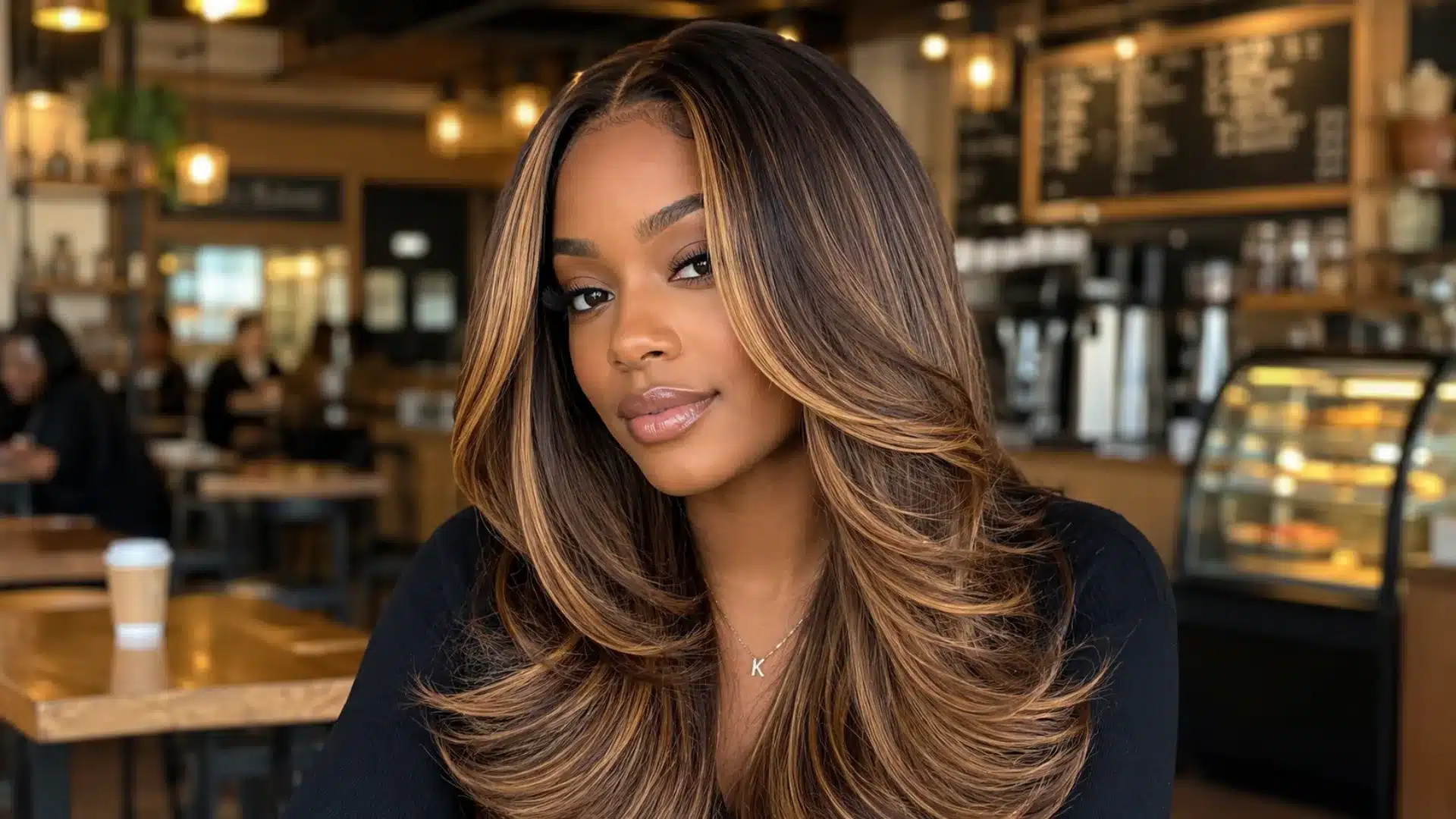
Warm tones like caramel photograph well against most skin tones, and layered length adds movement that a blunt cut at the same length cannot match.
Dark roots with a caramel mid-shaft and tip create the soft, expensive-looking dimension people keep saving right now.
Three bundles of 22 to 26-inch Brazilian body wave in a warm brown shade can get you there without making the style look overdone. The layers keep the length from feeling heavy and help the color show through in motion.
6. Waist-Length Loose Waves
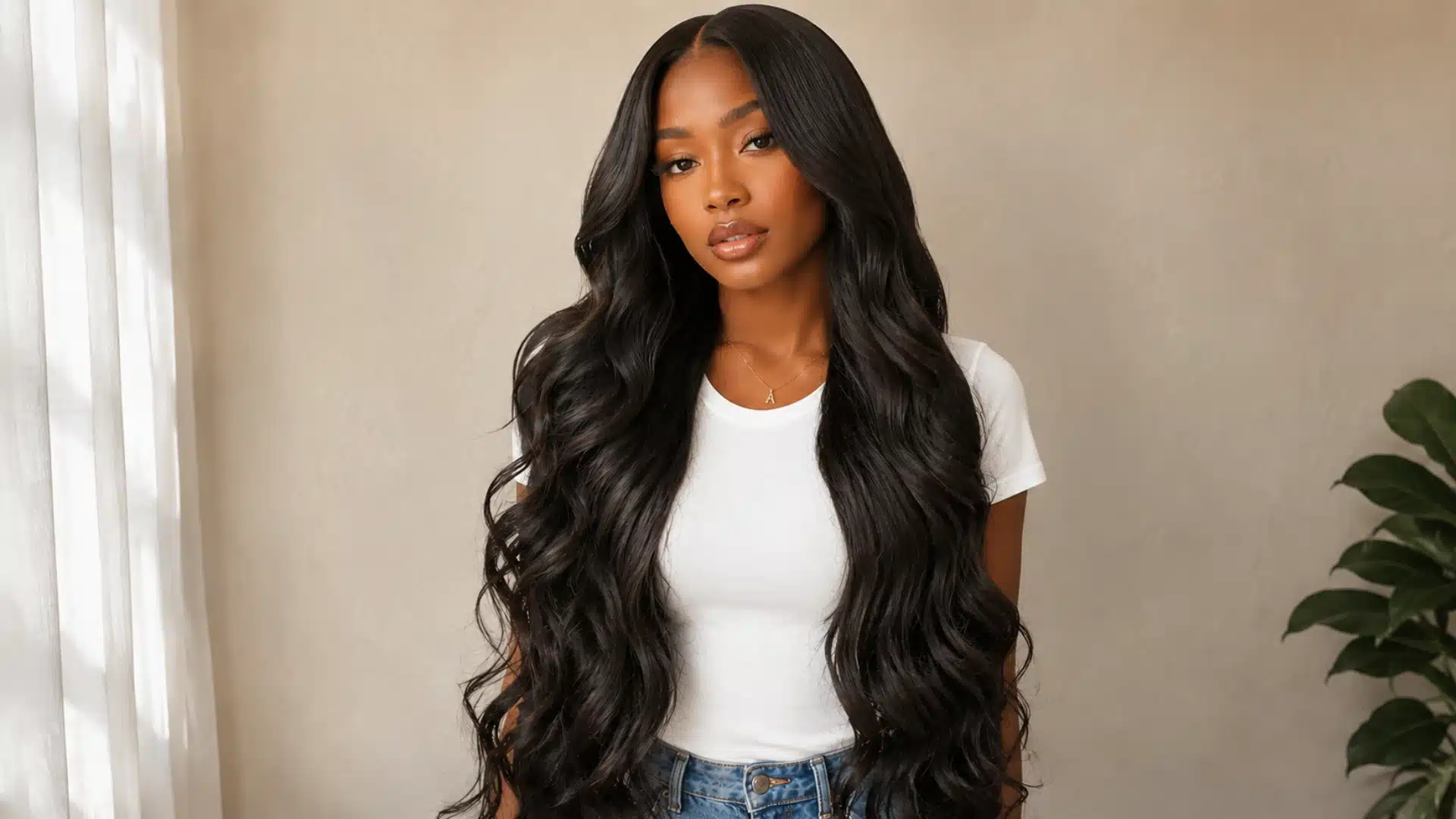
Waist-length sew-in hairstyles make a bold statement, but they only look flawless when installed properly.
Using a frontal sew-in creates a clean, natural hairline, especially when wearing the hair down. Choosing Peruvian or Brazilian water wave bundles adds soft, lived-in waves without needing a curling iron each day.
These textures provide movement, volume, and a polished look while simplifying daily styling.
Done right, this combination offers glamour, manageability, and effortless elegance for long, flowing hair.
7. Closure Sew-in with Middle Part
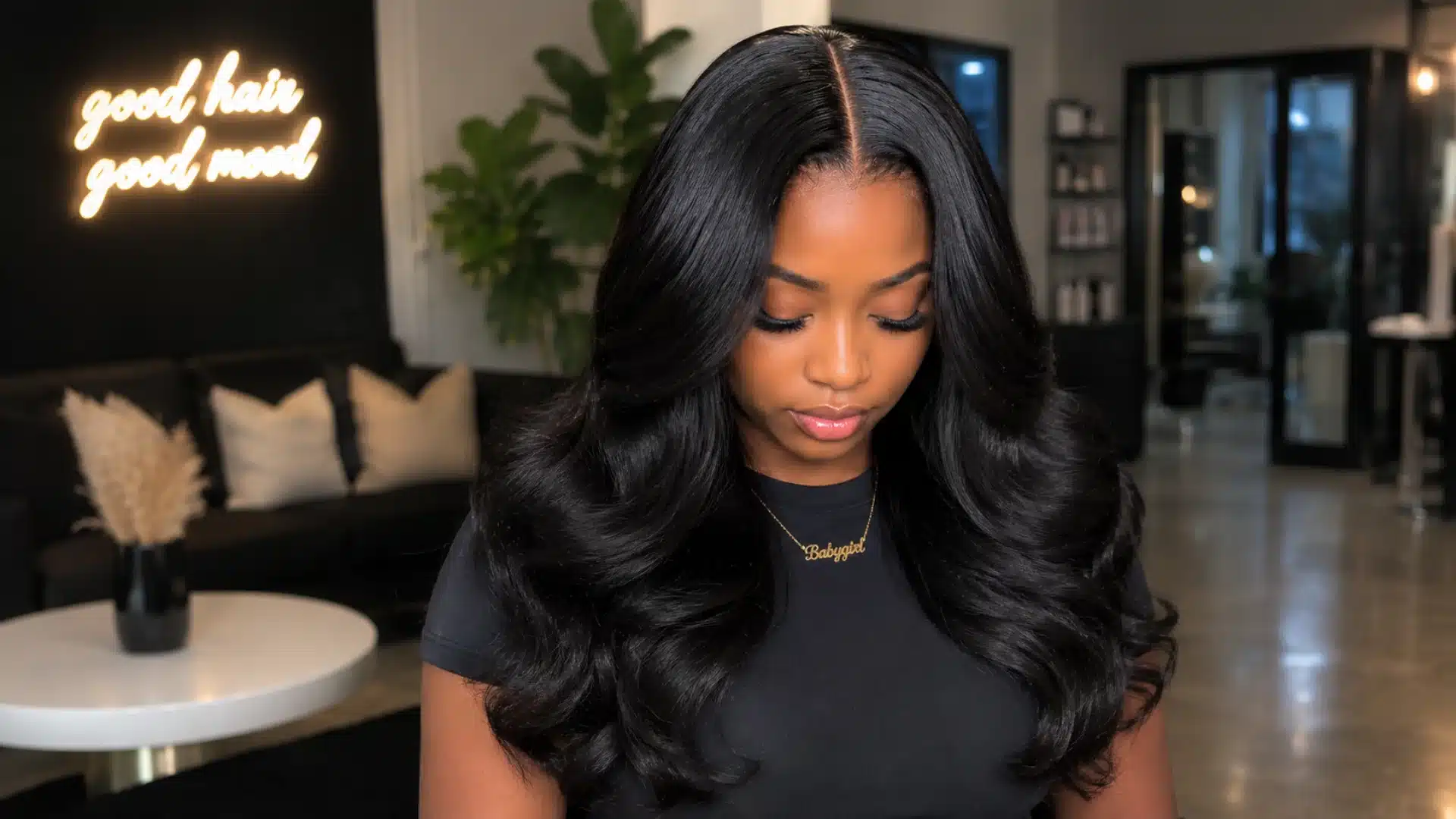
A middle part closure lies flat against the scalp, with its lace or silk base mimicking a real part rather than a sewn row.
This creates a natural, seamless finish that looks like your own scalp. It’s a practical sew-in style for anyone wanting to skip daily heat on a leave-out section while keeping hair healthy.
Additionally, it fully protects edges, offering a polished, low-maintenance look that combines style, convenience, and haircare in one effortless hairstyle.
8. Voluminous Curls (full Curly Sew-in)
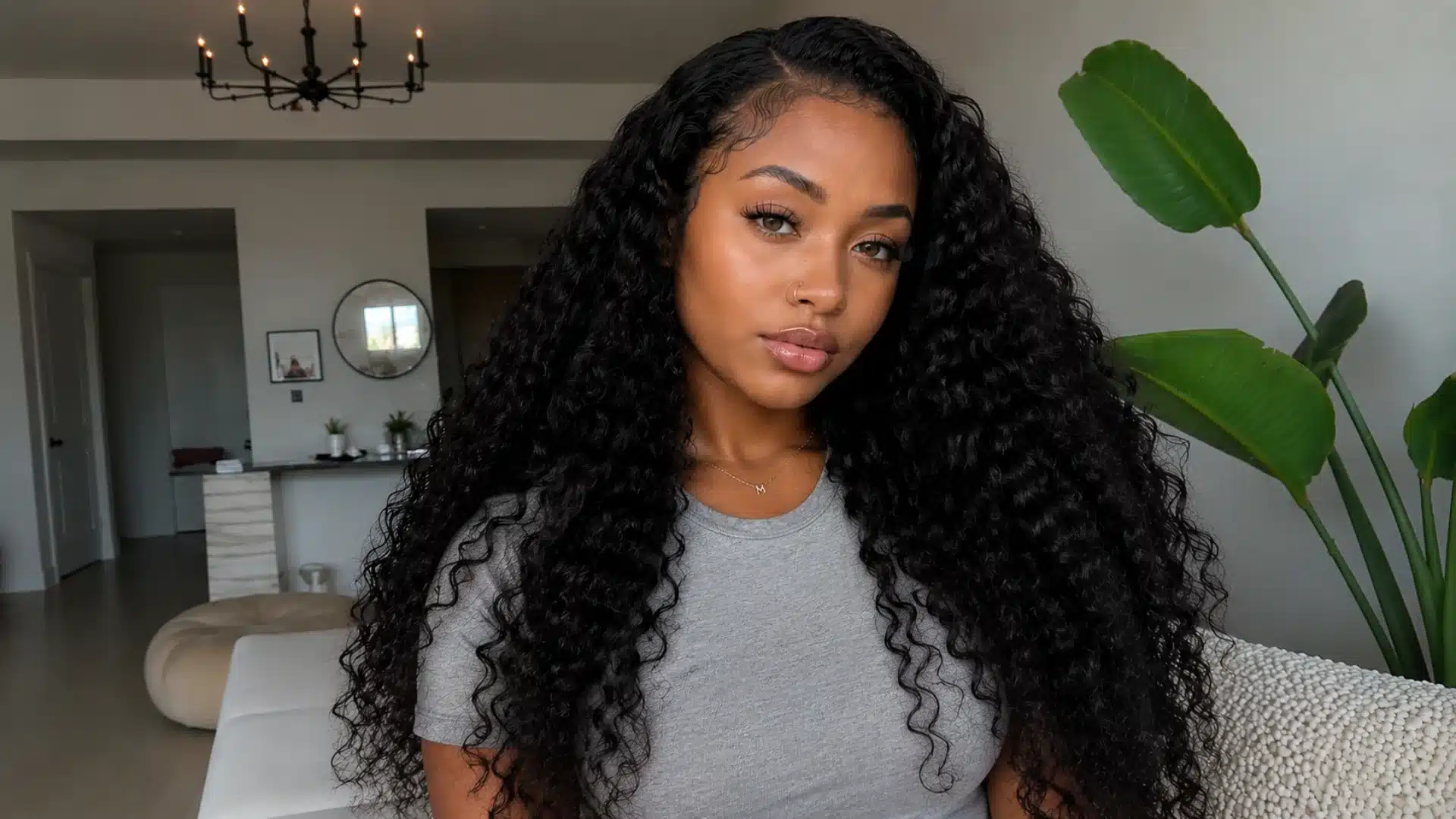
Big, soft, full curls that move with you. This is the style for anyone who’s ever wanted their hair to take up more space in the best way.
Kinky curly or deep curly bundles installed full-head give you volume that a partial install can’t match.
In my experience, clients who get this style for the first time almost always book it again. It’s that kind of look.
The upkeep is real, though, so if you’re new to curly textures, the guide on caring for curly extensions is worth reading before your install date.
9. Frontal Sew-in Updo
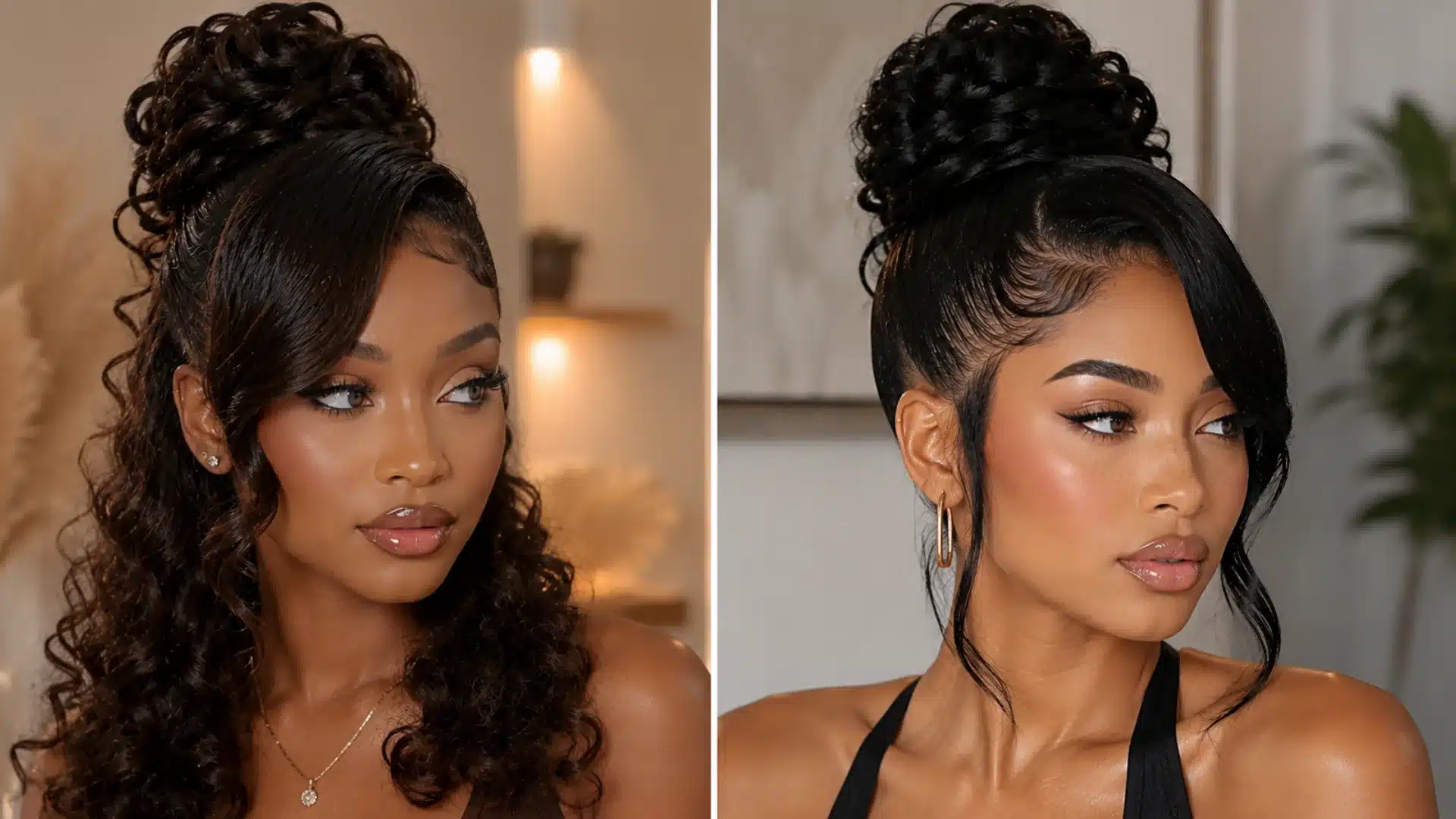
Because the frontal covers the full hairline from ear to ear and tucks all natural hair underneath, this is the install that gives you the most styling range of any sew-in method.
Updos, high ponytails, side-swept styles, none of them expose tracks the way a traditional install would.
The Megan Thee Stallion Oscar updo that keeps getting referenced is essentially this method: curled, pinned loosely, with face-framing pieces at the front.
It’s one of the more involved sew-in hairstyles to install, but the styling freedom is worth it.
10. Natural Mid-Length Curls
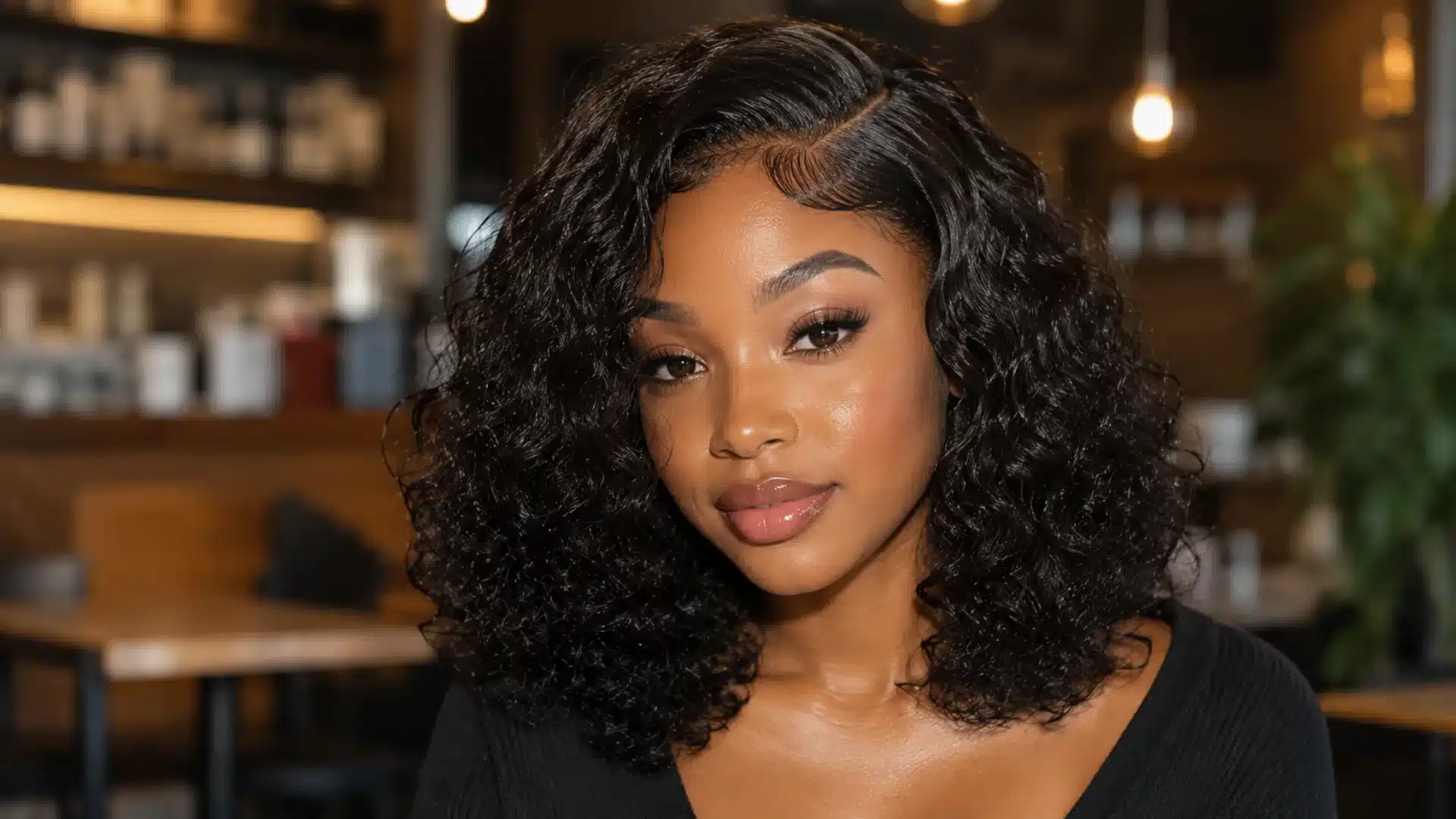
Match the extension texture to your own curl pattern, and you end up with a result that looks like your hair just had the best month of its life.
This style adds volume and a bit of length without signaling “I just got a sew-in.” It is the most subtle option on this list, which is the whole point for some people.
Protective hairstyles like this work especially well for women transitioning from heat-damaged or chemically processed hair.
11. Billowing Spiral Curls
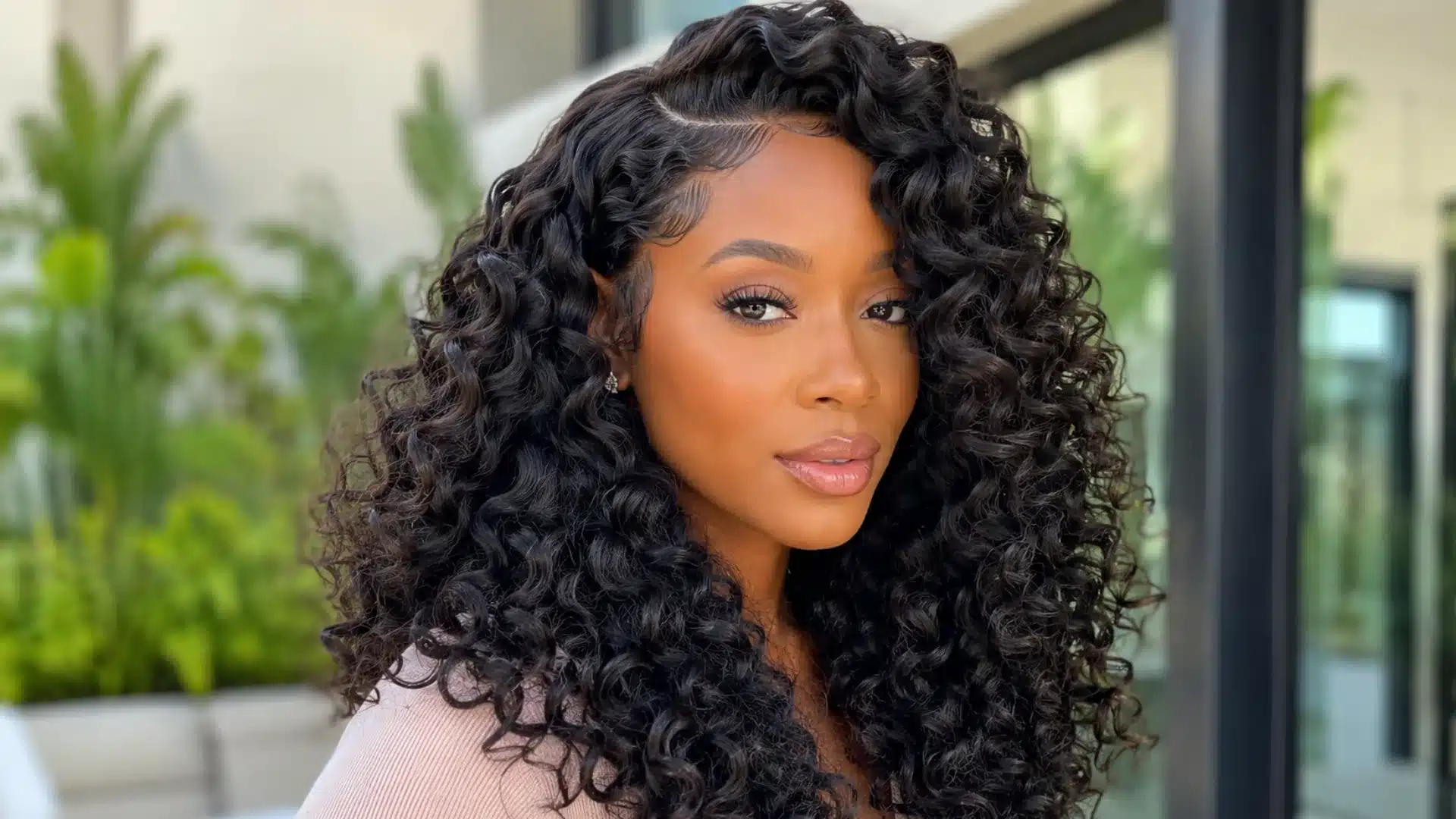
Defined ringlet spirals are similar to half sew-in with braids in front and yet stand out with softer, voluminous curls. Each curl keeps its shape, creating a structured, intentional look rather than blending into bulk.
This style appears polished and effortful, even when simple to achieve.
For the tightest, most defined result, use spiral curl bundles or set extensions on flexi rods before installation.
The outcome is a striking, well-crafted style that holds its form, adds texture, and delivers a standout, glamorous finish without daily fuss.
12. Yaki Straight Sew-in with Leave-Out
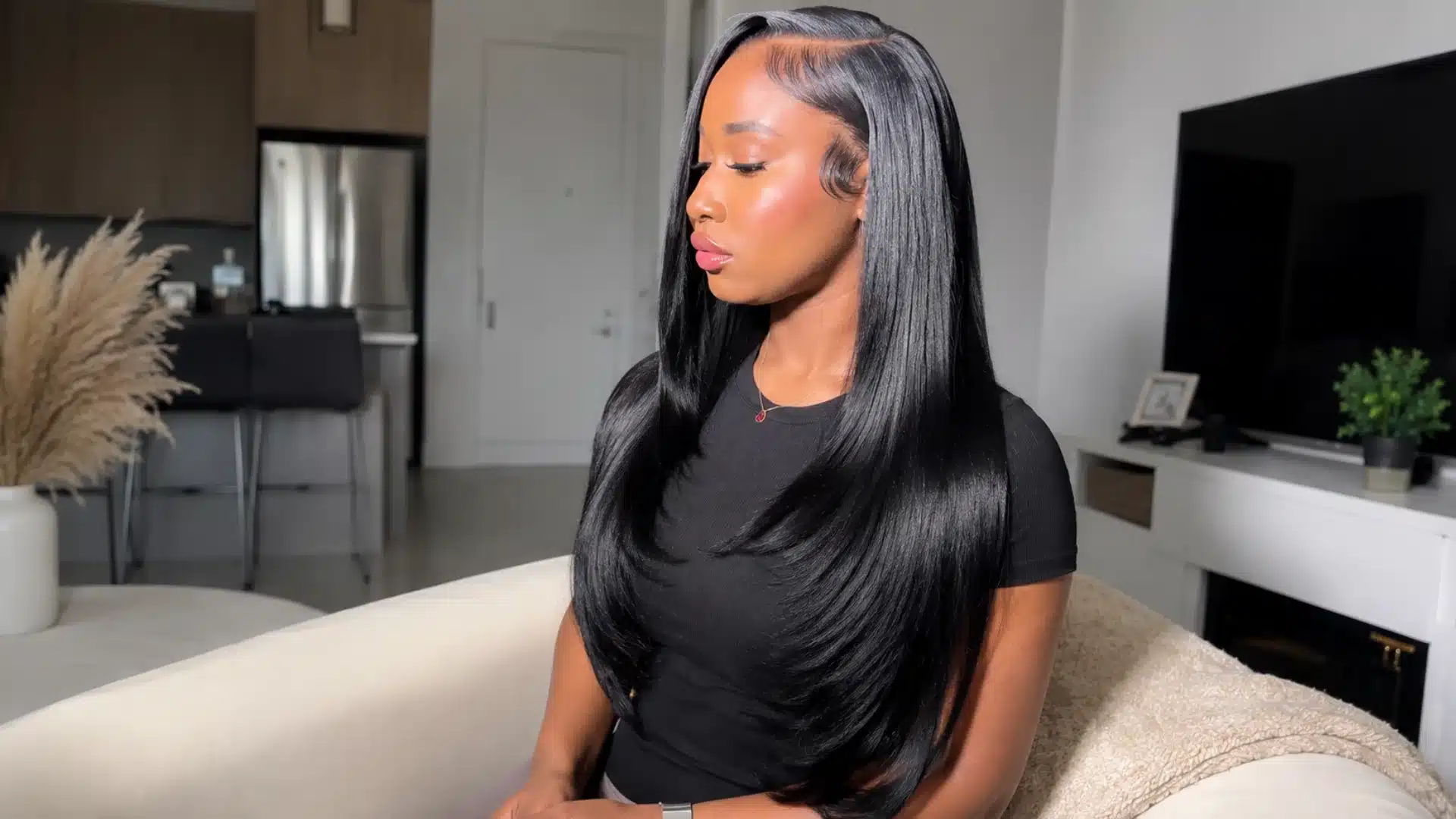
Yaki texture mimics the look of relaxed natural hair: slightly coarser than silky straight, with a natural flatness that blends well with a leave-out.
If your natural hair is relaxed or texlaxed, this is usually the closest extension match available. The leave-out is blended with a flat iron rather than forced to match a very silky bundle, which can mean less heat exposure overall.
Side-parted yaki straight remains one of the most requested everyday sew-in styles at many salons today.
13. Loose Wave Lob
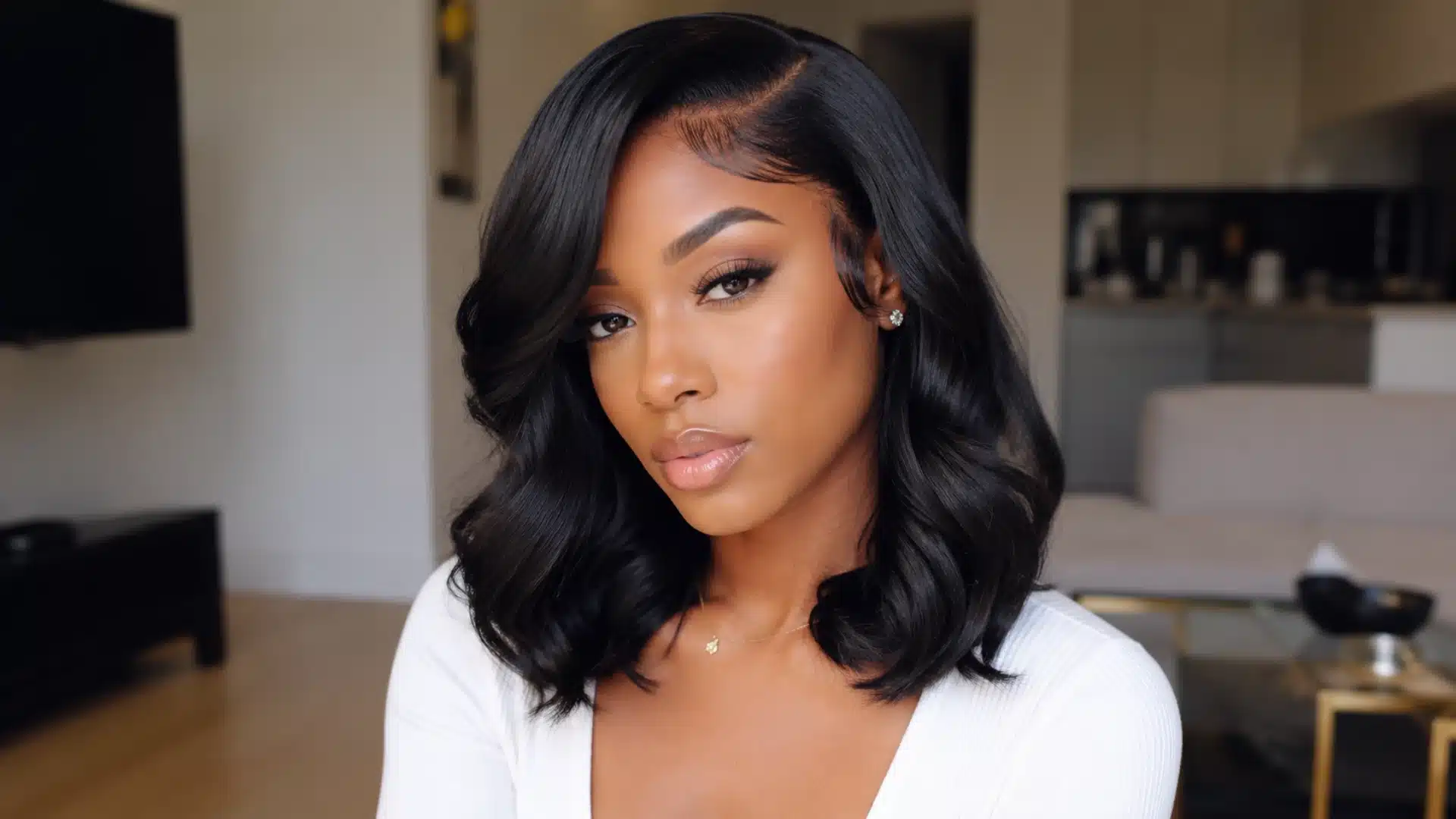
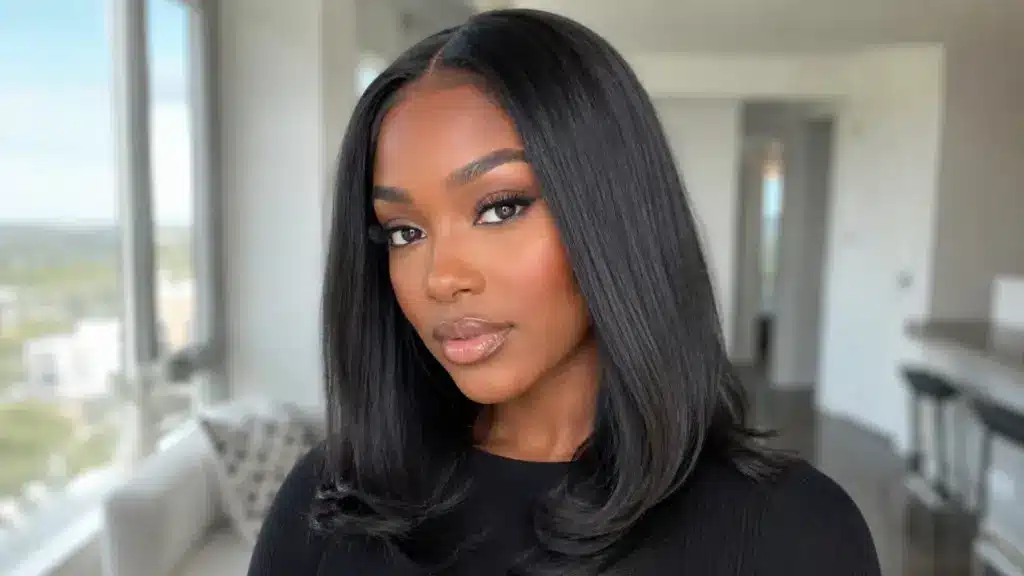
A lob with a loose wave texture sits at shoulder length and reads modern without being high-maintenance.
The ends are not blunt, the wave gives the style natural movement, and the length is practical for people who want something between a bob and a longer install.
This works particularly well as a first sew-in because it is easy to manage, and the install requires fewer bundles than longer styles.
14. Straight Sew-in with Face-Framing Layers
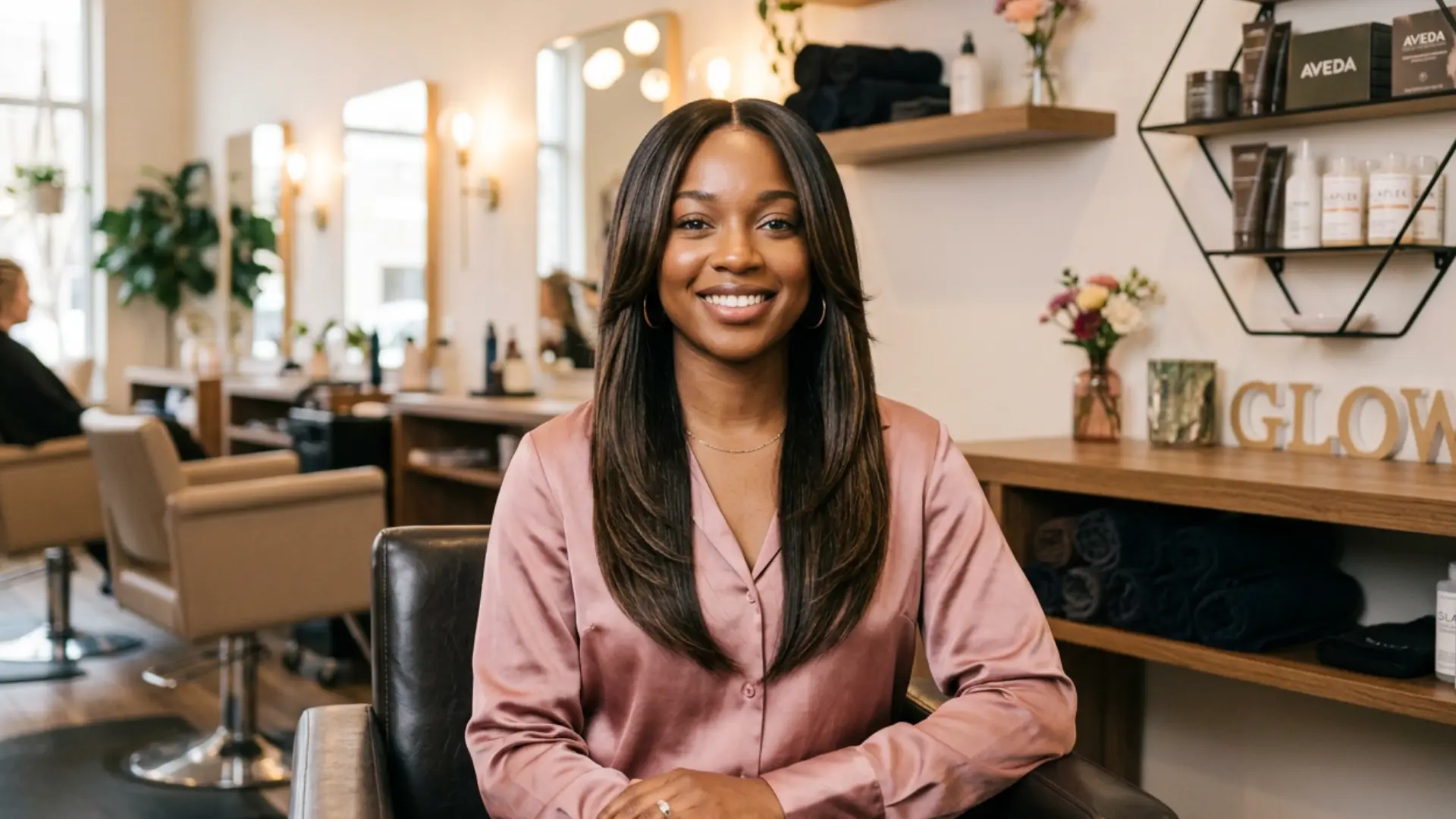
Layers do something a blunt, straight sew-in cannot. They add movement at the front and soften the silhouette around the face.
This is a strong pick if you have a round or square face shape because the layers draw the eye downward.
Ask your stylist specifically for face-framing layers starting at chin level rather than uniform layers cut throughout; the result is more intentional and easier to maintain.
15. Sew in with bangs
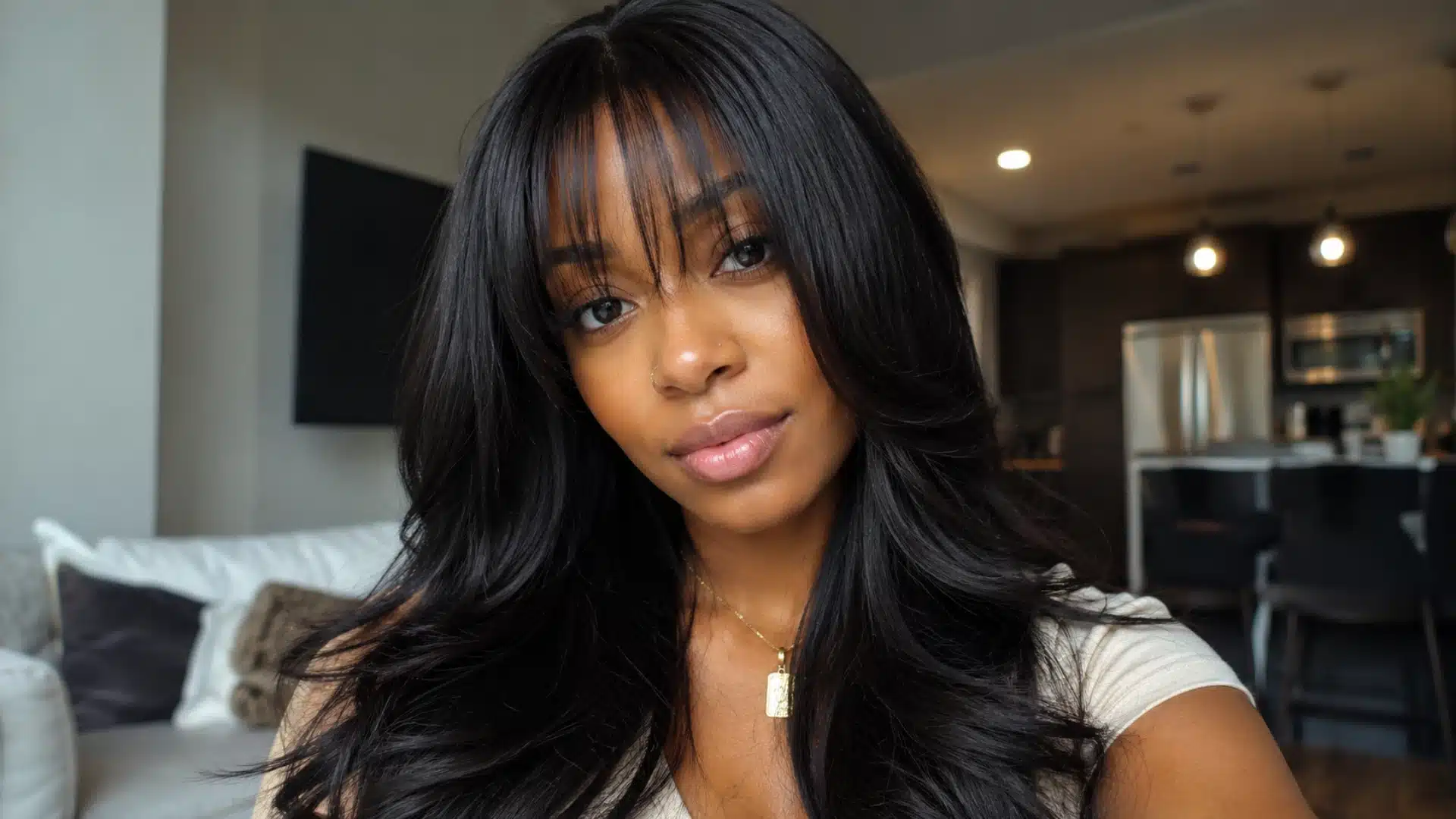
Sew-in bangs add shape and face framing to almost any install. Blunt, side-swept, and curtain bangs all work depending on the texture, length, and face shape you choose.
Side-swept bangs often flatter round faces and larger foreheads because they create diagonal movement across the face.
Keep in mind that extension bangs cannot grow back once cut, while leave-out bangs may need daily heat to stay blended. Plan for that maintenance before you sit in the chair and commit to the cut.
How Long Do Sew-in Hairstyles Last?
A well-installed sew-in typically lasts six to eight weeks before it needs to be removed. With high-quality hair, a skilled install, and consistent care, some people stretch that to ten or twelve weeks.
Anything past twelve weeks raises real risks, tension buildup, matting, and scalp stress that can cause thinning along the hairline if left too long.
Full sew-ins and closure sew-ins generally hold up a little longer than traditional installs with leave-out, because there’s less daily blending with heat tools.
The lifespan also depends heavily on the hair quality you choose; 100% Remy human hair outlasts non-Remy alternatives by weeks.
Sew-in Maintenance Tips to Keep Your Style Fresh
Proper maintenance helps a sew-in stay fresh, comfortable, and long-lasting. Simple care habits can prevent frizz, buildup, and unnecessary wear on both the extensions and natural hair.
Follow these tips to keep your sew-in looking its best:
- Wash every 1 to 2 weeks using a sulfate-free shampoo. Apply it in downward strokes so you don’t disturb the wefts or create tangles at the tracks.
- Dry your roots completely: Always dry roots after every wash. Damp braids under extensions create conditions for mildew and scalp buildup.
- Wear a satin bonnet: Cotton pillowcases pull moisture out of extensions and cause frizz at the leave-out. Satin preserves both.
- Oil your scalp, not your extensions: A lightweight oil (jojoba or tea tree diluted in water) applied along the parts keeps your scalp healthy without weighing down the hair.
- Use heat protectant before touching your leave-out: The extensions can handle some heat, but your natural leave-out hair is still vulnerable.
- Book a stylist check-in every four to six weeks: They can assess tension, tighten loose wefts, and give your edges a touch-up before the install reaches its natural end date.
Conclusion
A sew-in is more than a hairstyle. It is a way to switch your look while giving your natural hair a break, offering versatility and protection at the same time.
The best choice is the one that feels easy to wear, suits your daily routine, and still looks polished even days after leaving the salon.
Consider the finish you want, the care you can realistically manage, and how often you enjoy changing your style.
A skilled stylist can guide you in selecting the right installation method, texture, and length without stressing your hair.
When done correctly, a sew-in delivers confidence, practicality, and beauty.
Which sew-in hairstyle would you try first? Share your favorite in the comments below and join the conversation about effortless, stylish hair transformations.
Frequently Asked Questions
Can I Swim or Work out with a Sew-in?
Yes, but rinse after swimming or workouts and dry fully. Sweat, chlorine, and salt can irritate the scalp and loosen tracks.
How Many Bundles Do I Need for a Sew-in?
Most sew-ins need two to three bundles. Bobs usually need two, long full styles need three, and waist-length looks may need four.
How Do I Stop My Edges from Thinning with a Sew-In?
Avoid tight braids, high-tension ponytails, and long installs. Keep edges loose, oil lightly, and remove the sew-in after eight weeks.